Inside the Brain: What Social Rejection Teaches Us about Human Connection
A neuroscience look at pain, mimicry, and the student brain in Turku
Written by Fatemeh Naderipalangi
Why Your Brain Cares about Rejection?
Have you ever experienced a pang in your chest when excluded from a group chat or disregarded in a group project? That hurt is not just psychological, it’s biological.
Neuroscience research proves that social rejection activates the same brain areas used for physical pain. That is, your brain responds to exclusion as if you had fractured a bone.
This is more than a metaphor, it’s an insight into how deeply we’re wired for connection.
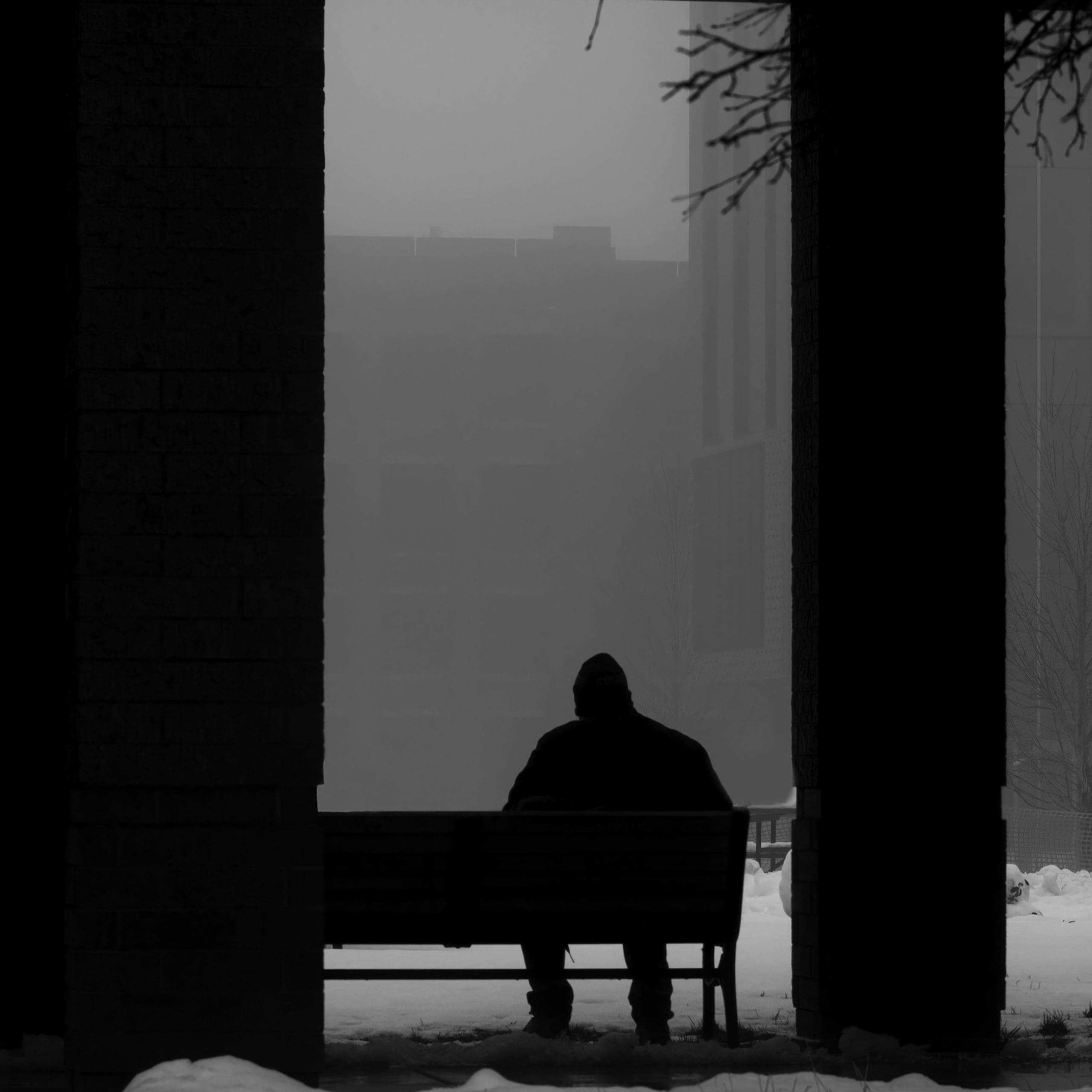
Using functional magnetic resonance imaging (fMRI), scientists have repeatedly found that being excluded activates the dorsal anterior cingulate cortex (dACC) and the anterior insula—regions also involved in pain related to emotions and the body.
A widely cited study by Eisenberger and colleagues used the game of Cyberball, a computer ball game in which players were increasingly excluded by computer players. Although they knew it was a game, participants showed high activation in brain areas linked to pain when they were excluded.
“Being socially excluded triggers the brain’s alarm system.”
– Eisenberger et al., 2003
Turku Students and the Science of Loneliness
For students, especially international ones, the research here introduces a real individual aspect. Away from home, adapting to a foreign language, and trying to establish relationships in a foreign culture can all lead to chronic episodes of loneliness.
In places like Turku, where winter is long and social norms are subdued, students often feel lonely.
Neuroscientifically, this isn’t “a mood”, chronic loneliness alters the way your brain processes reward, stress, and even immune response.
Studies have shown that perceived social isolation is associated with:
- Decreased dopamine signaling (linked to motivation and pleasure)
- Increased activity in stress circuits
- Increased risk for depression and anxiety
So no, you’re not overreacting. Feeling lonely can literally change your brain.
Your Brain Tries to Belong Again
Mimicry as Healing
But our brains are not easily defeated. When rejected, people automatically mimic more—mimicking gestures, postures, even speech. This is no accident; this is your brain’s attempt to say: “Accept me, please.“
Mimicry is one of the oldest reconnection mechanisms of social behavior. It’s a subtle, unconscious, and surprisingly effective response. This adaptive reaction shows just how much the human brain wants to regain belonging.
It’s not weakness. It’s neural resilience.
Connection is survival.
Social connection isn’t a luxury—it’s a biological necessity. When we’re excluded, our brains react like we’re in danger. When we’re included, they light up with reward.
So what can we do?
Simple actions matter: making eye contact, inviting someone for coffee, starting a conversation. These gestures might seem small, but in a lonely brain, they’re powerful medicine.
References:
- Eisenberger NI. The pain of social disconnection: examining the shared neural underpinnings of physical and social pain. Nat Rev Neurosci. 2012 May 3;13(6):421-34. doi: 10.1038/nrn3231. PMID: 22551663.
- Eisenberger NI, Lieberman MD, Williams KD. Does rejection hurt? An FMRI study of social exclusion. Science. 2003 Oct 10;302(5643):290-2. doi: 10.1126/science.1089134. PMID: 14551436.
- Cacioppo JT, Cacioppo S. Social Relationships and Health: The Toxic Effects of Perceived Social Isolation. Soc Personal Psychol Compass. 2014 Feb 1;8(2):58-72. doi: 10.1111/spc3.12087. PMID: 24839458; PMCID: PMC4021390.