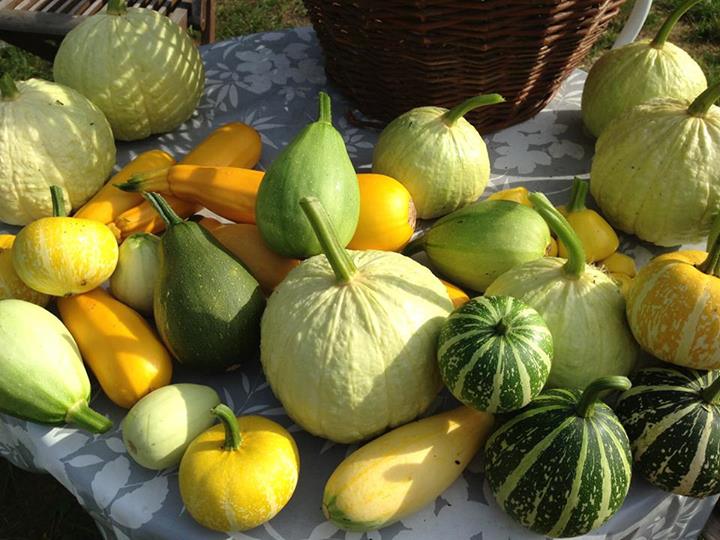
 Pumpkins or squash, most often those belonging to the cucurbita pepo family, are plentiful this time of year. From summer squash (also known as zucchini in the US and courgette in Britain) to ornamental gourds and giant pumpkins, they grow well in Finland and are a delight for children and English scholars alike.
Pumpkins and other cucurbits have a vast cultural history in art and literature. Just read Ralf Norrman & Jon Haarberg’s book-length study all the way from 1980 on cucurbits in literature and you’ll be astounded how ubiquitous they are. Shakespeare, Milton, Ancient Greeks, the comic Peanuts — basically everyone — makes reference to pumpkins, cucumbers and melons. And guess what? You’ll probably not be surprised to learn that they are very sexy vegetables, what with the cucumber’s phallic shape and melons reminding you of — you get the drift, and so did writers back in the day as well as today.
Pumpkins are also hilarious if you want to mock someone, for who wants to be a pumpkin-head? Pumpkins “are ridiculous in their own right”, the above pumpkin scholars note in their book. For example, Nixon’s opponents in the 1960s presidential elections had a field day with a newsreel from a decade before, where he demonstrated with a pumpkin how communists can hide their devices anywhere, even in an innocent pumpkin just sitting at your desk! This incident makes the writers wisely note, that “anyone with political ambitions should stay away from pumpkins”. As pumpkins are everywhere, this is a hard task indeed to accomplish.
Not only are pumpkins fun as a literary theme, but they are also a lot of fun to grow as they go fairly fast from this:
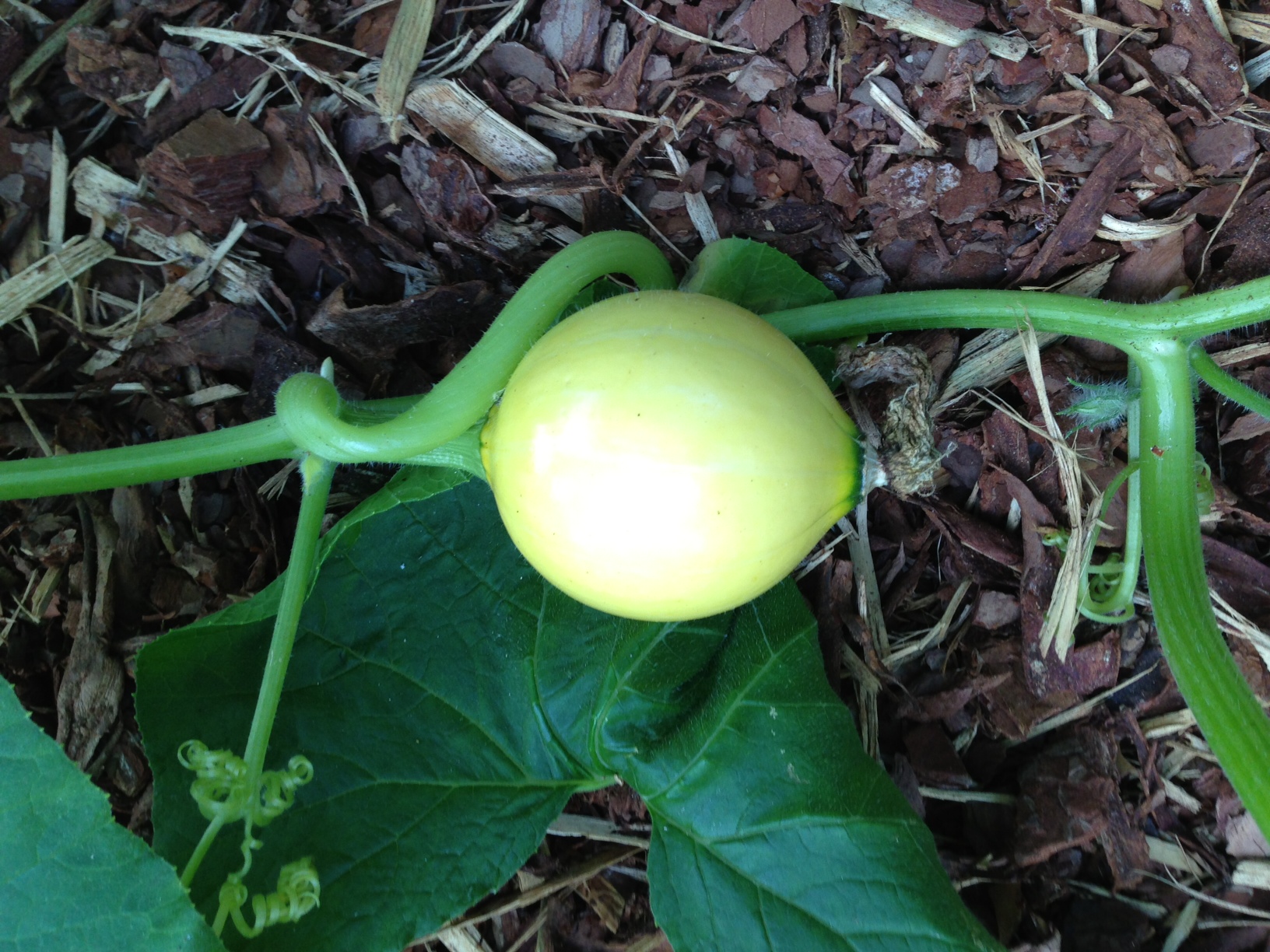
to this:
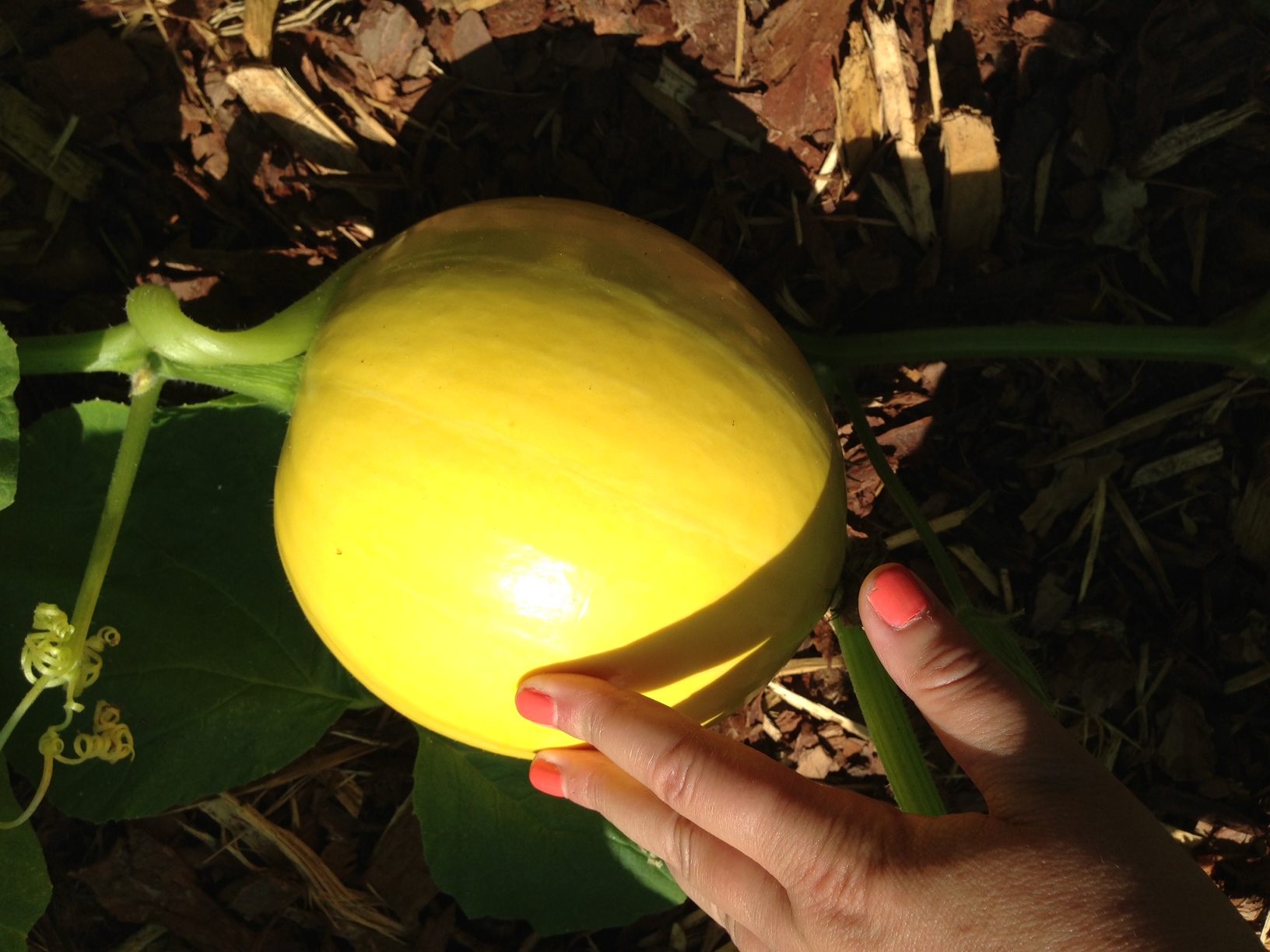
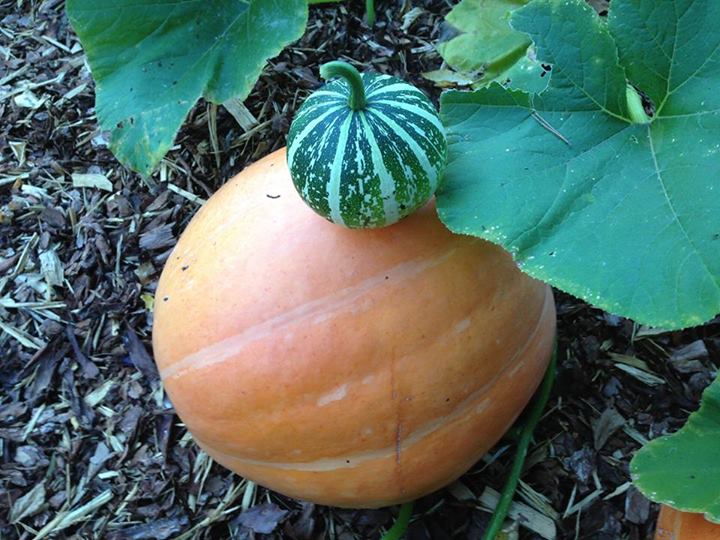
all the way to this and beyond:
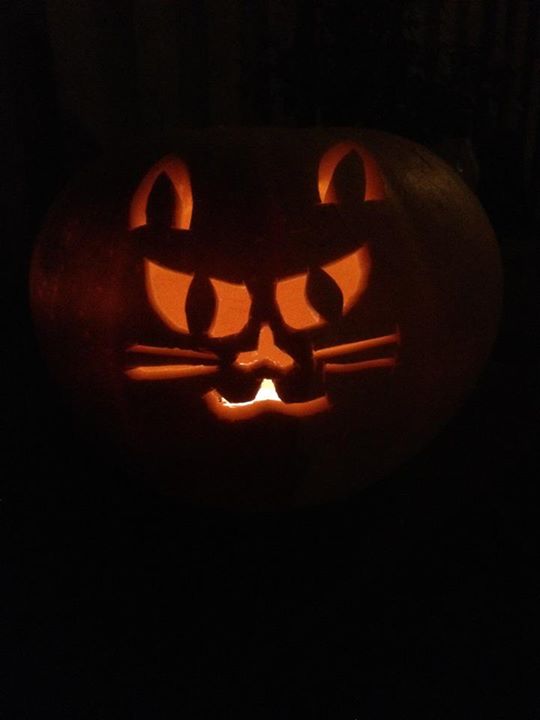
Jack O’Lantern is the classic American Halloween decoration. Just empty a pumpkin and carve a scary face on it. If you have smaller pumpkins, you can use a LED candle instead of a real one and you’ll be ready for the onset of kaamos, the winter darkness period gracing Finland from November til February. You might not have much light, but you’ll always have the funny, sexy, literary, and political careers-destroying pumpkin.
Source: Norrman Ralf & Haarberg, Jon. 1980. Nature and Language. A Semiotic Study of Cucurbits in Literature. London: Routledge & Kegan Paul. p. 77
Photo credit: Elina Valovirta