
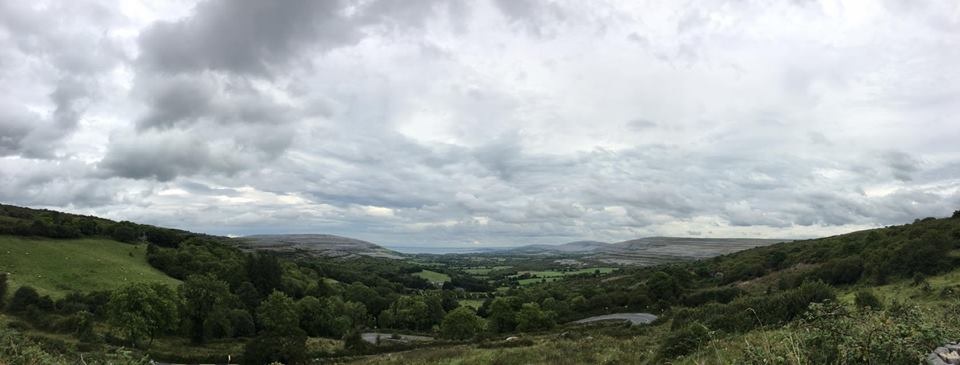
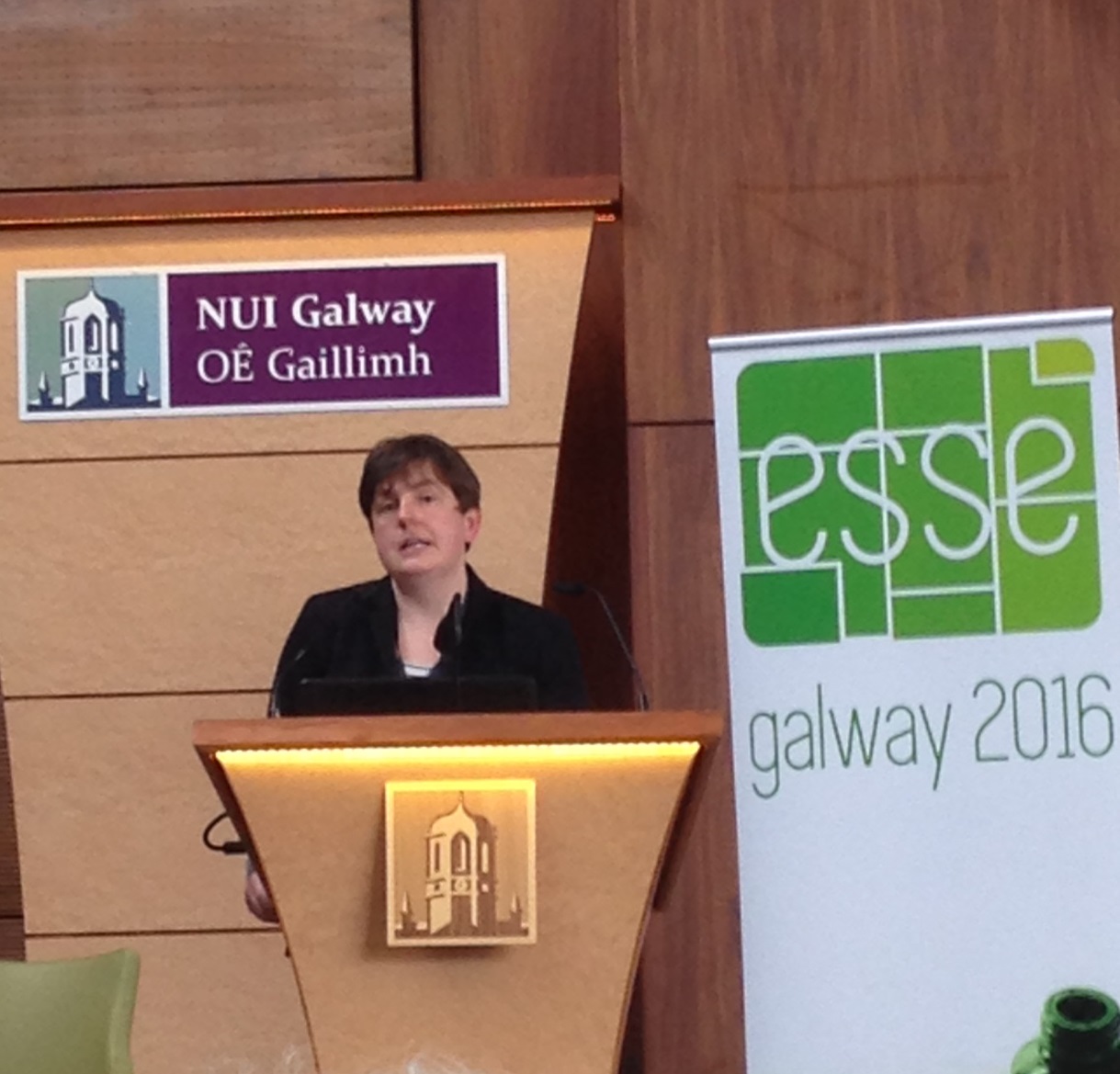
While our historical linguists were enjoying the heatwave in Essen, another delegation from the English department went on a similar mission to a place with just one letter’s difference: ESSE – the European Society for the Study of English biannual conference in gorgeous Galway, Ireland. Our research project funded by the Academy of Finland, Out of the Ordinary: Challenging Commonplace Concepts in Anglophone Literature, hosted a round table debate on the topic of competition for research funding in Europe and its consequences for English Studies. Visions were similar from all over Europe: competition for research funding is fierce, resources are diminishing, but everybody is making it work one way or another. Cautiously optimistic could perhaps be seen as the general attitude in the end of the discussion: after all, we have platforms like ESSE in and from which to push the English Studies agenda further. Besides the round table, the five-day conference with over seven hundred participants held numerous highlights, both intra- and extracurricular.
The conference began and ended with prestigious keynote lectures, the first by Emma Smith, Professor of Shakespeare Studies at Oxford. Her discussion on the changes, annotations, and scribbles made by previous owners to copies of Shakespeare’s First Folio denotes the very material quality of books as writing — they are not just stories but also stories about people who have owned or handled them. Smith is further known for her pedagogical efforts, not least of which is the Approaching Shakespeare podcast series, a very accessible way to get to know the Bard of Avon.
The conference ended on another high note, when Professor and author Colm Tóibín in his keynote, titled “As Things Fall Apart: The Response to Violence in the work of W.B. Yeats and James Joyce”, discussed Irish political history and literary analysis hand in hand, with a plot and detailed characterization as only a novelist/scholar could tell it. Thrilling treat, indeed!
With storytellers like Tóibín hailing from Ireland, it is no wonder that Galway will be the European Capital of Culture in 2020. The beautiful Atlantic scenery, seafood, music, culture, grazing sheep, ponies, and cattle in the green valleys make it an ideal destination for anyone looking to fall in love with places like the historical Kylemore Abbey pictured below. The Gothic castle and Victorian walled garden are now home to the Benedictine community, who welcome visitors to take in the peaceful atmosphere by the lake, which can only be described in the words of the Irish poet, Patrick Kavanagh: “Tranquillity walk with me/And no care/O, the quiet ecstasy/Like a prayer”.

Text by Elina Valovirta
Photos by Ira Hansen and Elina Valovirta.
p.s. The next ESSE conference will be held in Brno, Czech Republic, in 2018. For more photos about ESSE, see the ESSE website and for another conference report from a participant in the very successful panel on children’s literature, see here.
