75 Years of the Joys of English

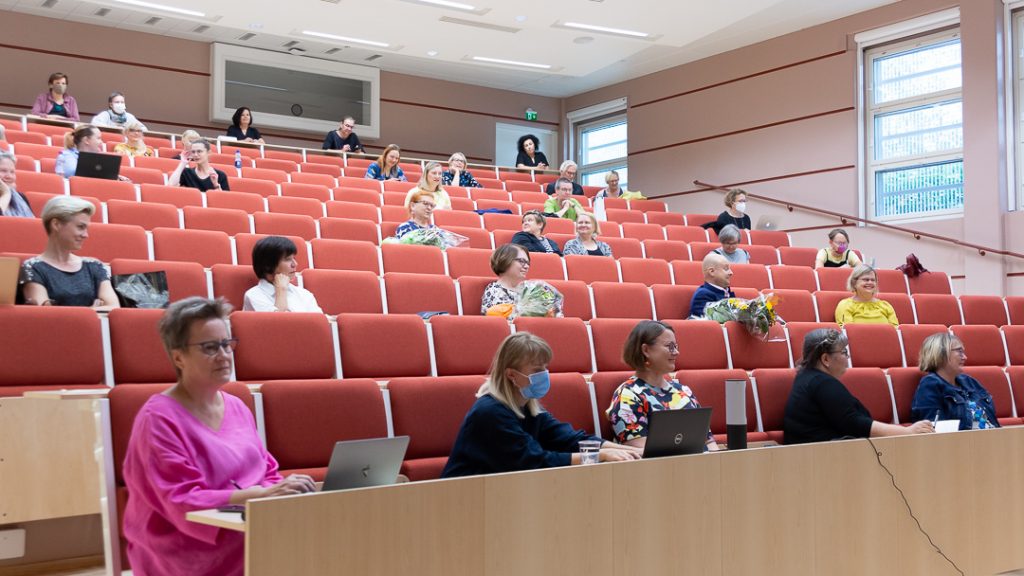
The Department of English became a subject department at the University of Turku 75 years ago in 1946. In 1980, translation studies were transferred from Language Institutes into the university, and were merged with the philology departments in 2010. We celebrated this anniversary on Tuesday 14 December 2021. The Corona epidemic had postponed the occasion but this did not defeat the festive spirit.
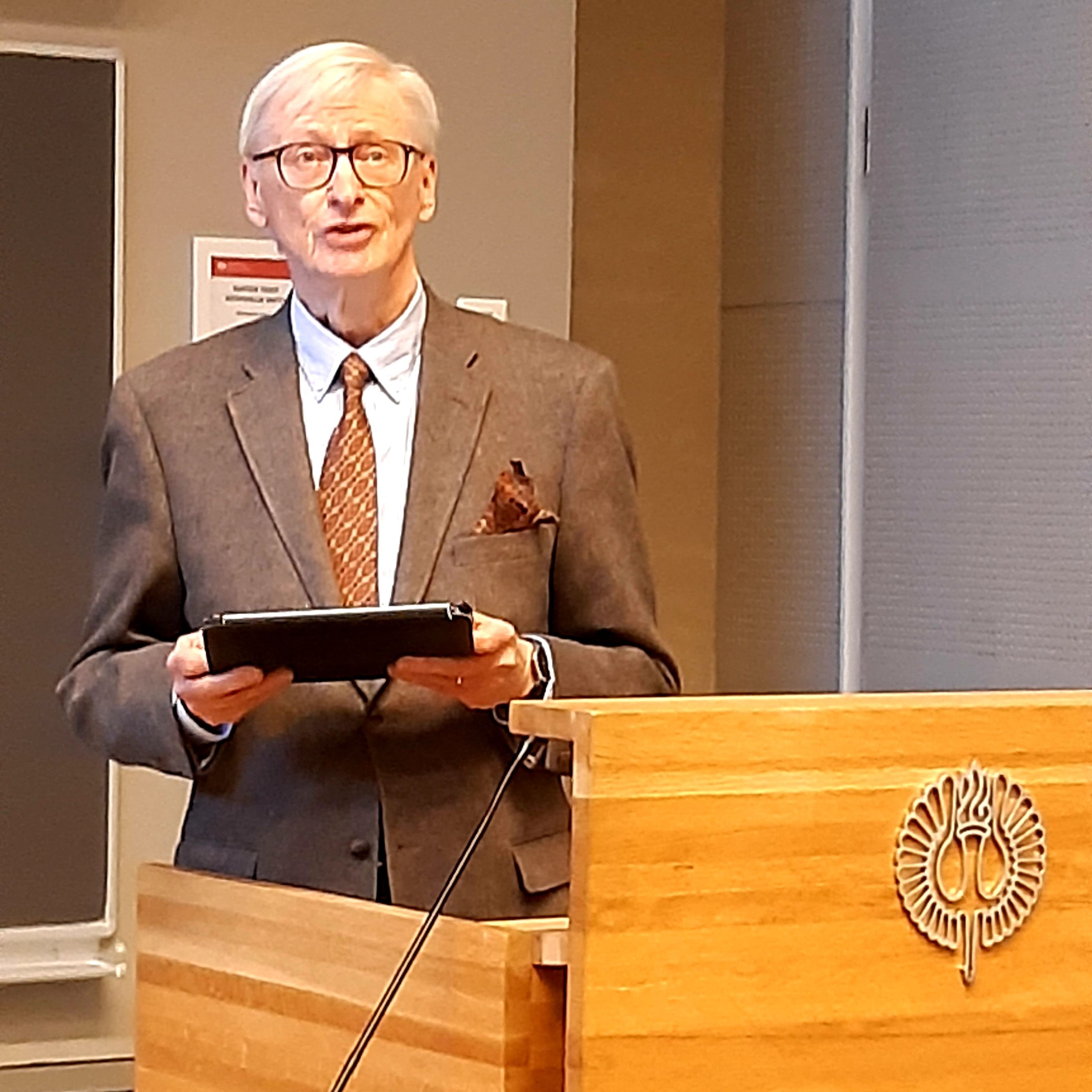
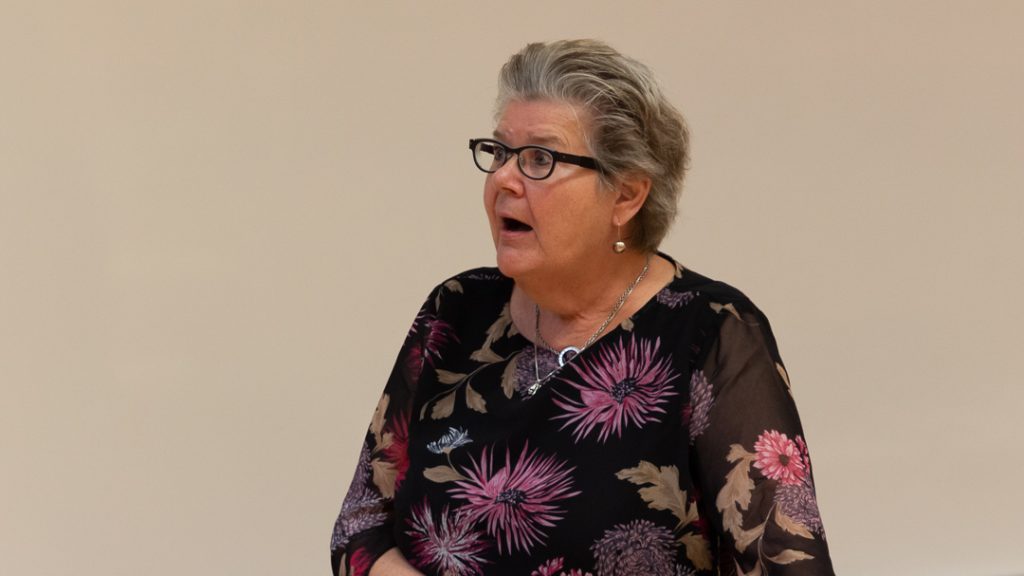
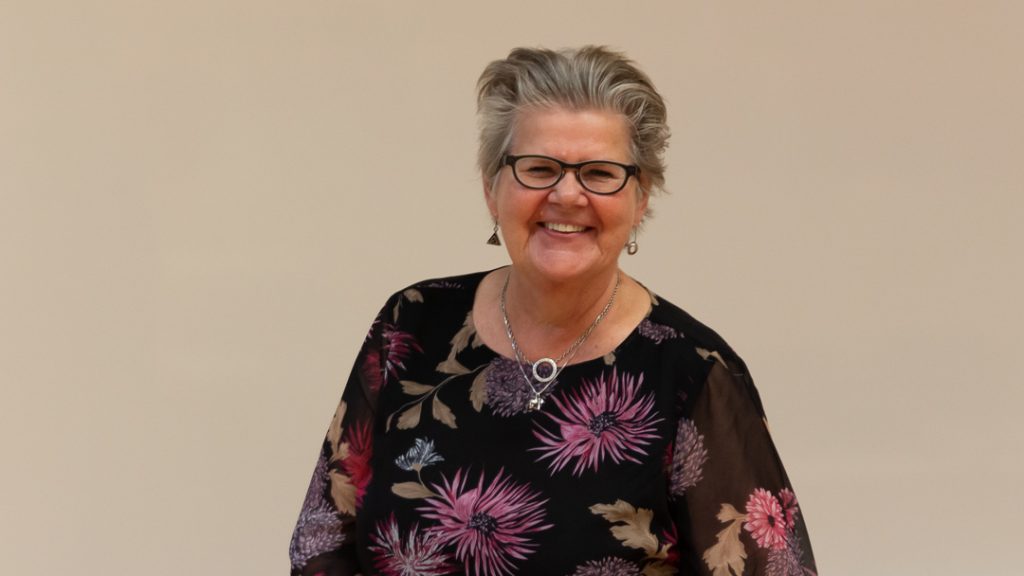
Professor Emeritus Risto Hiltunen chronicling the department’s 75-year history — and beyond.

The programme of the seminar included an overview of the history of the department by Professor Emeritus Risto Hiltunen. He took us through the years from the first chair in English held by Yrjö M. Biese (and even earlier times) to the gradual expansion of the department, the merger of philology and translation departments and the introduction of the 2010 Universities Act that changed the juridical position of Finnish universities, until the present.
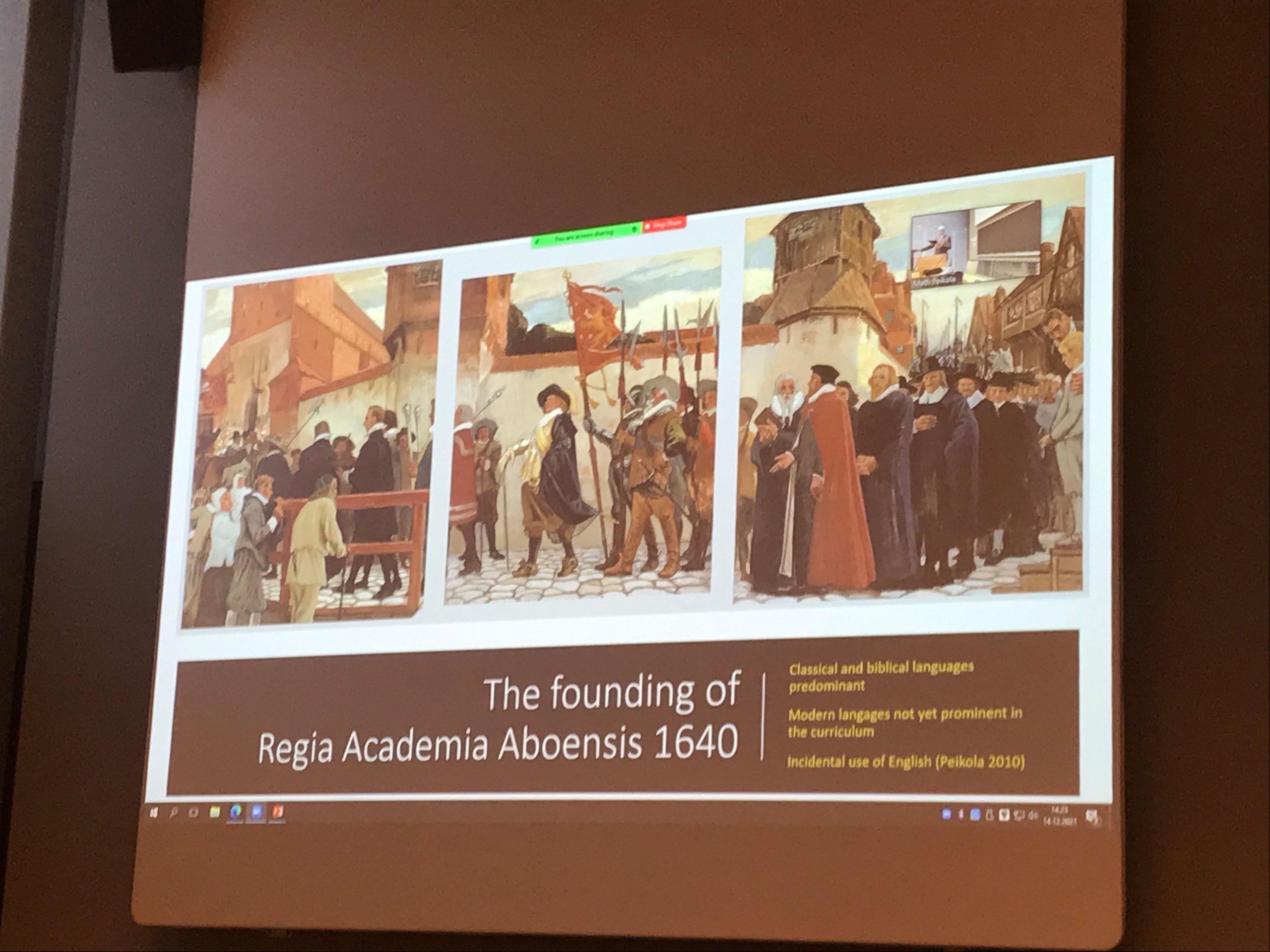
Risto’s speech reached all the way to the history of Academia Aboensis, the origin of university-level study of languages in Turku.

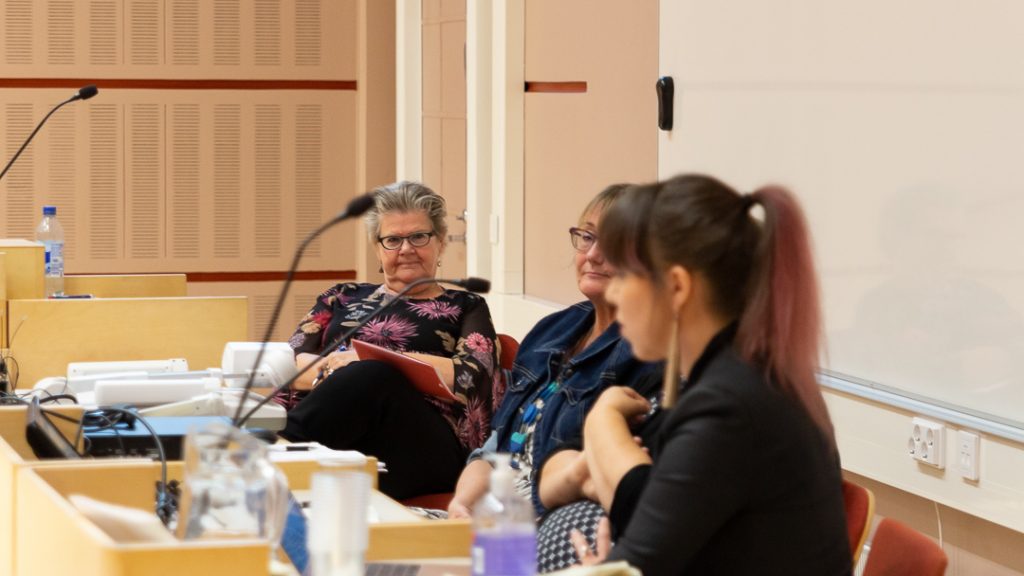
Risto’s presentation was followed by a panel discussion chaired by Professor Matti Peikola, representing our alumni and present students: Taru Savolainen, Miika Katajamäki, Maija S. Peltola, Sanna-Kaisa Tanskanen and Marianna Sunnari. All the panelists had started their studies in different decades, and have had different careers, and were thus a very good cross-section of the Department. The discussion was very lively and higlighted various sides of the Department’s history and the people who had worked and studied there.
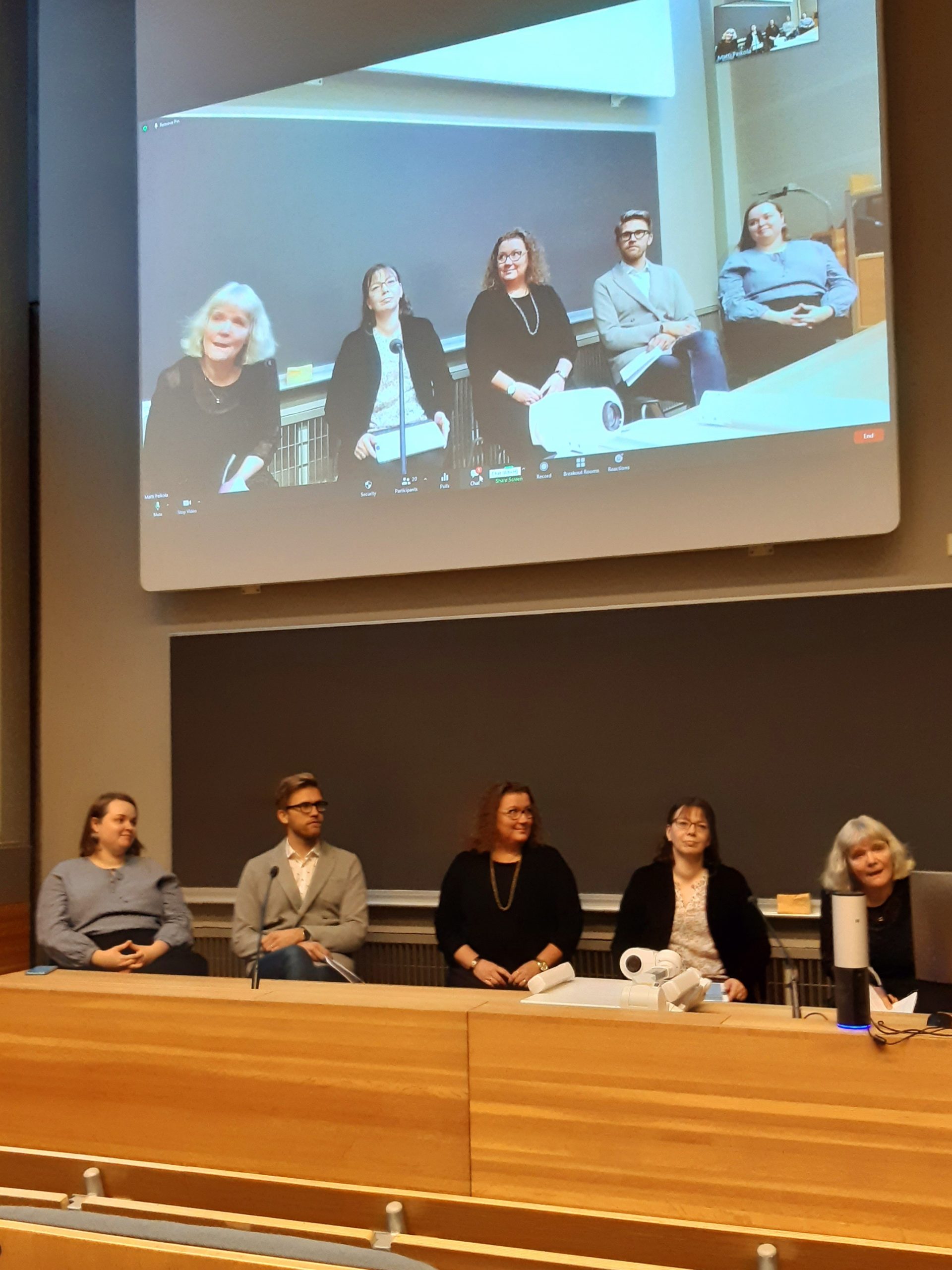
The alumni panel offered various views on studying English at Turku. All positive!

One of the highlights of the event was the presence of Professor Emerita Liisa Dahl. Liisa followed Inna Koskenniemi in the first English Assistant Professorship after Inna toook over Yrjö’s Professorship. Another delightful highlight was the tea and coffee service that we had at the end – provided by the ever so wonderful students of Anglica.

At the event, we also witnessed the publication of MM Examina: Two Thousand Theses from the Department of English, University of Turku 1950–2020 edited by Joel Kuortti. This volume, fresh from the printers, follows the former M Examina (edited by Janne Skaffari in 1995) by listing a thousand more theses and dissertations from the Department that have been completed after the 50th anniversary in 1995.

Current head of department, Professor Joel Kuortti, showcasing the new MM Examina bibliography. Professor Outi Paloposki (right) taking a photo in turn!

All in all, the event brought light and joy to a dark winter day in a time otherwise burdened with long-standing and widespread troubles and uncertainties. It gives great pleasure to celebrate with such a great bunch of people – past, present, and future!

Text by Joel Kuortti, Professor, Head of Department

Photos by Janne Skaffari and Elina Valovirta
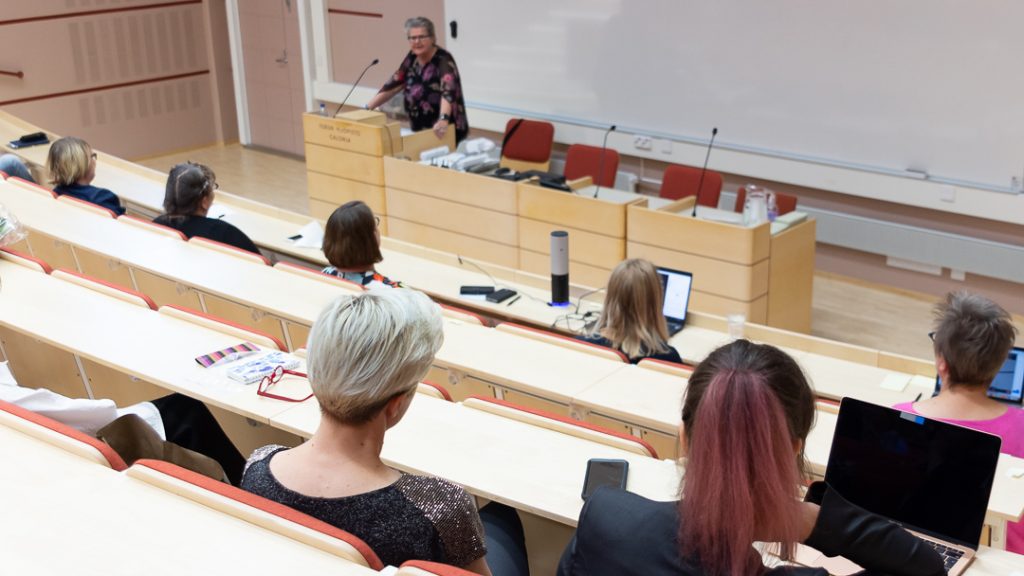
So long, Marianne: Professor Liljeström’s farewell lecture

There are (at least) three important lecture occasions in a professor’s career. First, there is the sample lecture testing the professorial candidates’ teaching abilities when the post is filled. After being appointed to their post, the new professor gives an inaugural lecture to demonstrate their newly verified professorial wisdom. Finally, at the end of their career, the farewell lecture delivers the professor’s goodbye to academia as they join the ranks of emeriti.

Many of our students at the English department are interested in topics of gender and sexuality in their papers and theses and choose Gender Studies as a minor subject. In the past, I was one of those students and now, I am an English scholar with questions of gender and sexuality at the centre of my research into Anglophone literature and culture. The farewell lecture of my former teacher, boss, viva custos, and mentor, Professor of Gender Studies, Marianne Liljeström, took place on August 25th, 2020 in the socially distanced lecture hall as well as online to celebrate her long career in building the now well-institutionalized discipline of gender studies in the Finnish, Nordic and international contexts.

Professor Liljeström lecturing from the podium one last time.

Social distancing in the lecture hall. Fifty people were invited but at least another fifty participated via Zoom.

In addition to the farewell keynote, in her true collective fashion, Professor Liljeström welcomed a panel of speakers to join her after her lecture. This is how I will remember Marianne as a scholar and educator, always encouraging others to join her endeavors and working in a collective fashion. By inviting three panelists to discuss the past and future of her discipline, Marianne once again showed her solidarity, as she put the focus from herself to the thoughts, ideas and theories surrounding the field and how best to continue building it.

Professor Liljeström listens in her typical inquisitive fashion as Salla Aldrin Salskov details her views on pressing questions regarding the field.

A historian by training, Liljeström began her lecture by placing the major points of her professional career on a timeline to chronicle how timing has been on her side throughout: thanks to the Finnish education system, she was able to study at no cost despite coming from a humble background. She was also able to study abroad (in Moscow, Berkeley, Birmingham and elsewhere), and her own academic training coincided with the development of Gender Studies as a discipline, which she then as a full-fledged scholar awas ble to help institutionalize.

One of the important key remarks that Marianne shared with us in the farewell lecture, was how history is never merely discursive and hence immaterial, but that the work of remembering begins with fleeting affective images and sensations, when we experience something as nostalgic, get teary eyed, giggly or even when we stay silent. Materiality is always embedded in remembering, which is affective (related to feelings) by its very nature. Marianne invites us to constantly question those assumptions we are taking for granted, as the conditions of determining “facts” such as what gender might mean varies by time and ideology. Universality pushes through, but it is at the same time constantly renegotiated for a more democratic future.

Professor Liljeström is shocked by the influx of flowers and bubbly filling the lectern as well-wishers pay their respects at the send-off.

As she passed on the torch for younger generations to change the world by thought and action alike, it is time to thank Professor Liljeström for the wonderful work she has done over the years. The event was cheerful in mood, but saying goodbye incites feelings of nostalgia and other emotions, so I assume I was not the only one finding it difficult to sum up one’s feelings at the end. Perhaps best leave it to the words of Leonard Cohen: “So long, Marianne/It’s time that we began to laugh/And cry and cry and laugh about it all again”. And that’s what we did. Here’s to happy retirement days full of fun and laughter!

A round of applause and heartfelt thanks from all of us in the community to the magnificient Marianne!

Text: Elina Valovirta
Photos: Tilda Junko

Hamlet in Turku

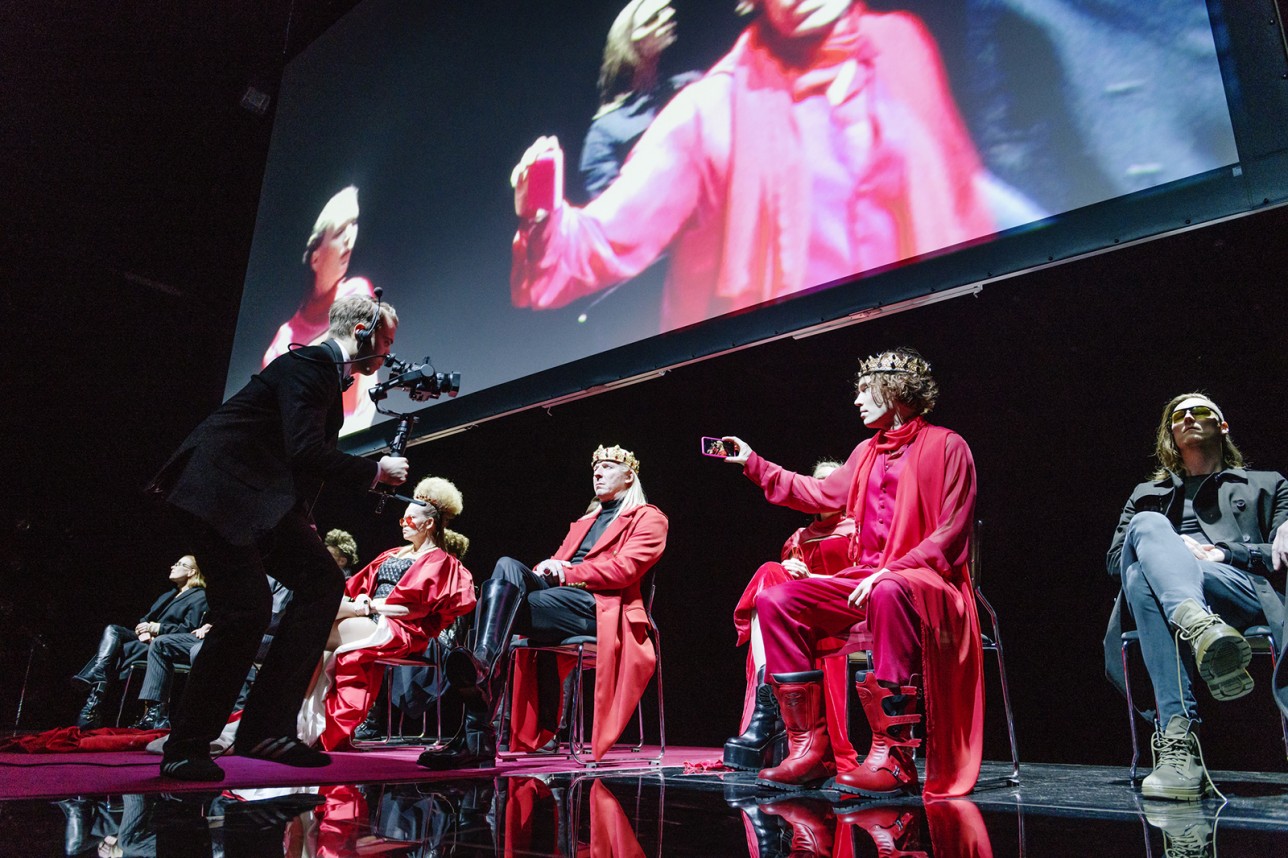
The Department paid a visit to see Hamlet in the Turku City Theatre in March 2019. The production has garnered good reviews both by critics and audiences, and it was great to have an opportunity to see it, especially as the season is, alas, short.

SPOILER ALERT – what happens in Hamlet

If you like to keep up suspense, do not read further as I am about to give some spoilers. First of all, Hamlet’s father’s death turns out to have been murder by poison rather than an accidental snakebite. There are also other deaths: Ophelia, Polonius, and – in the end – practically everybody dies. (Not Horatio, though.)

This is good for the undertaker’s business – in the show presented in a very provoking, even thought-provoking way.

One of the most striking elements in the Turku Hamlet is the set. It combines traditional and contemporary elements in a very inventive way. In the programme booklet, the scenographer Markus Tsokkinen comments on the Finnish terms for building the set – ‘lavastaa’ and ‘kulissit’ – as derogatory terms for deception whereas he considers the set a way to enhance the truth elements of a play. Considering this, the amalgamation of old and new functions very well in bringing Shakespeare’s vision to us today.

Hamlet is one of the Bard’s big tragedies. In Finland it has been produced almost once in a decade after the first production in 1906, and it has been translated several times: by Paavo Cajander (1879), Yrjö Jylhä (1955), Lauri Sipari (1975), Eeva-Liisa Manner (1981), Veijo Meri (1982) and Matti Rossi (2013). The Turku Hamlet is based on Manner’s translation but with noticeable changes in the dialogue.

For a tragedy, Paavo Westerberg has direected a highly humorous – but in no way banal – version of Hamlet’s story. (Although Yorick might disagree.) It is multimedial, multilingual, intertextual, intermedial, intercultural – in short, multi-inter!

One of the most surprising things, personally, was Claudius. Eero Aho’s acting here was excellent, but Carl-Kristian Rundman as Polonius (very much like Gollum), Pia Andersson as Ophelia (rebel girl) and, especially, Jussi Nikkilä as Hamlet were even better. (Esko Salminen’s ghostly presence as Hamlet’s father’s ghost is also brilliant.)

To conclude, you would love to see the way they have done “To be or not to be” …

Text by Joel Kuortti
Photo by Otto-Ville Väätäinen/Turku City Theatre

Ceremonial Conferment of Doctoral Degrees, 25-26 May 2017

Academic festivities are there for a reason: they help us remember that we are part of a long scholarly tradition which is our cultural and intellectual heritage. That is where we belong. Not to mention the fact that they are extremely fun and enjoyable! 136 young doctors and 12 honorary doctors participated in a two-day conferment ceremony at the University of Turku towards the end of May. Our department was involved in two important ways: Professor Kenneth Hyltenstam from the University of Stockholm, a prominent scholar who has published widely on bilingualism and SLA and who has had a strong impact on research conducted in our department, had been invited to receive the title of honorary doctor on our initiative, and our very own Mari-Liisa Varila was among the young doctors on whom the doctoral degree was conferred in the ceremony (see Mari-Liisa’s own words below).


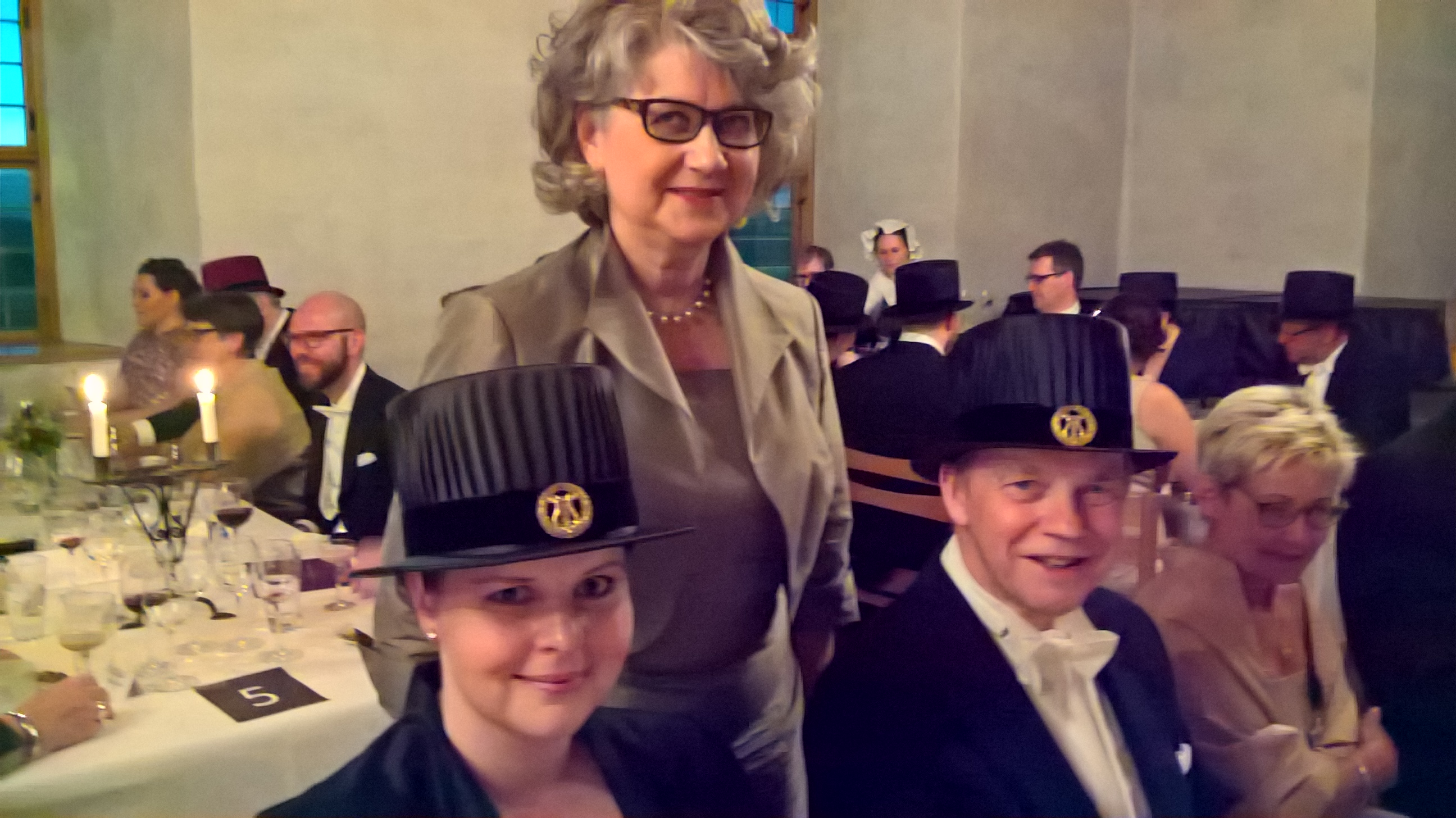
Mari-Liisa Varila, Päivi Pietilä and Kenneth Hyltenstam celebrating at Turku Castle.

It must have felt like two rather hectic days for our esteemed honorary doctors. All practical arrangements had been planned carefully beforehand by the organizing committee, including a fitting session on the morning of the first day, to make sure the white tie was the right size (the dress code is notably very strict on these occasions!), and transportation from the hotel to the various events and back again. The events consisted of a rehearsal at the Concert Hall, a sword-sharpening ceremony on the eve of the big day, the conferment ceremony itself, an academic procession from the Concert Hall to the Cathedral, a service at the Cathedral, a banquet at Turku Castle in the evening, and finally a ball at the Turku VPK House. In earlier years, the festivities went on even longer, as there was a boat trip to Naantali and lunch at Kaivohuone. Maybe it is not such a bad thing that the programme has been cut slightly; it is rather exhausting to be festive for two entire days, let alone three! But on the other hand, the two days were thoroughly enjoyable, and even the weather was better than anyone could have wished for: sunshine and a bright blue sky.

Text by Päivi Pietilä

The doctor in the hat

My doctoral degree was awarded already in June 2016, but the ceremonial conferment of doctoral degrees is only organised once every two or three years. To officially receive my hat, sword, and doctoral diploma, I participated in the festivities this year. It is not obligatory to take part in the ceremonial conferment, but I felt that it was a good way to stop for a moment and celebrate my achievement together with the other young doctors, the honorary doctors, and our academic community.


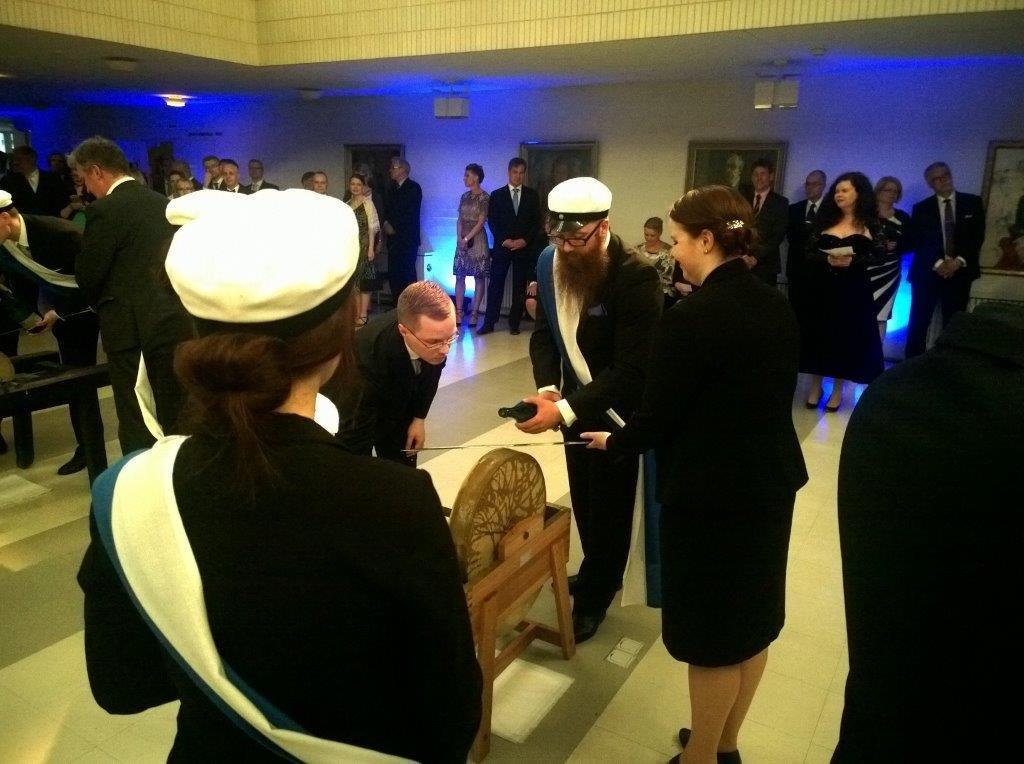
In the rehearsal on Thursday afternoon, we practised solemnly walking in pairs, receiving the sword, and bowing to the conferrer without dropping our hats. Excitement filled the air. In the sword-sharpening ceremony on Thursday evening, we symbolically honed our blades for the big day. Our avecs turned the grindstones while the heralds poured some bubbly on the swords.


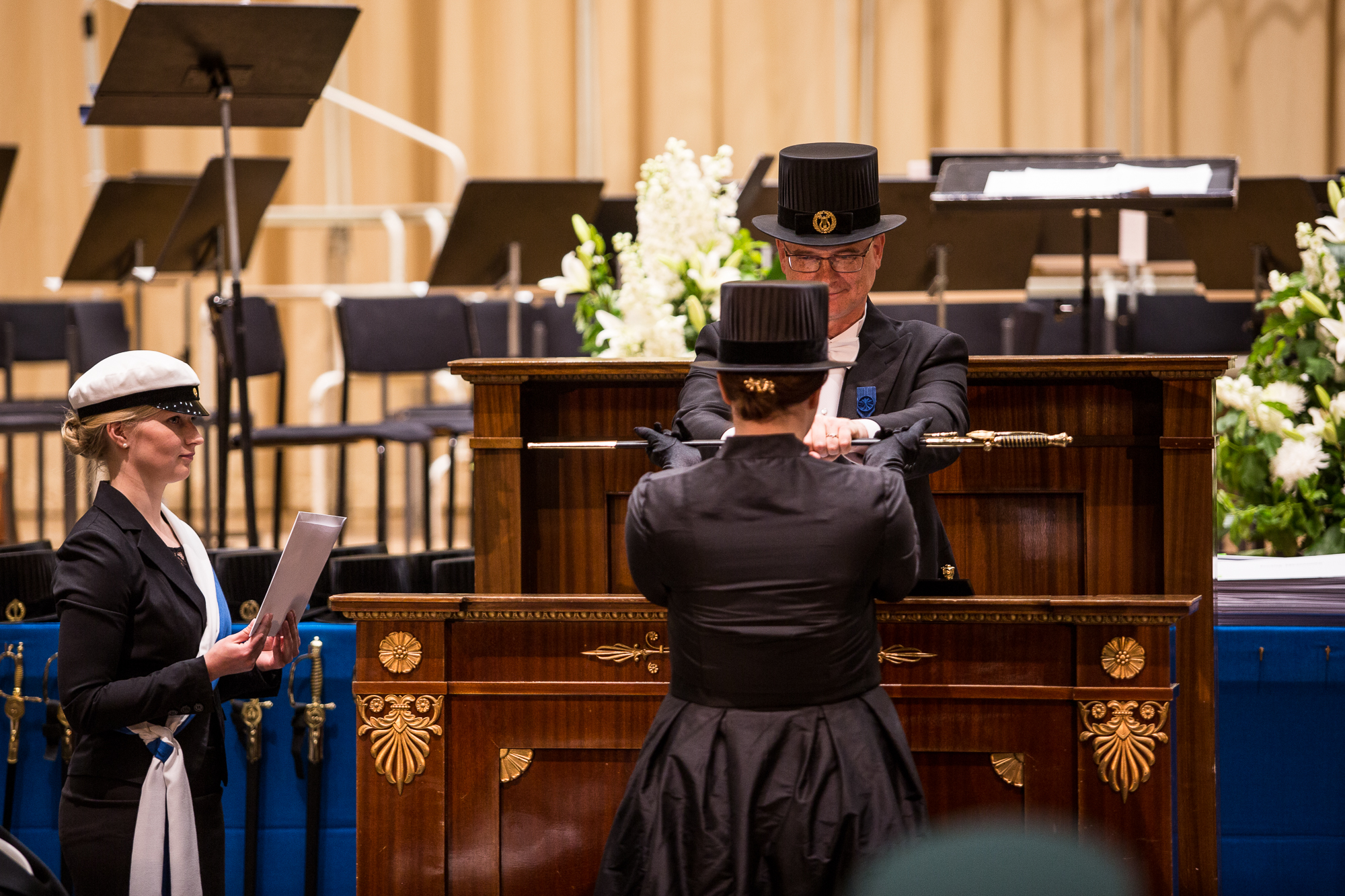
Mari-Liisa Varila receiving her sword.

On Friday noon we gathered to the Concert Hall, all in tailcoats or long black dresses. At quarter past twelve, the procession entered the hall. We sat down in the front of the room, waiting for our turn to receive the hat and sword. Each conferrer stepped up to the podium in their turn, delivering their trilingual speech – Finnish, English, and Latin. They pressed the hats on our heads and presented us with our swords and (Latin) diplomas. After the ceremony, our procession moved from the Concert Hall to the Cathedral where a bilingual service was held. Our day was made even more special by the beautiful singing of the Turku University Choir.

In the evening, we gathered to the Turku Castle. We were served a three-course dinner, interspersed with speeches and some more singing. I was honoured to have been asked to deliver the speech to the honorary doctors. We then moved to the VPK house for a polonaise and a waltz, with music provided by Sohon Torwet. Our evening ended, very appropriately, in a speech to the sun.

Text by Mari-Liisa Varila
Photos by Miikka Varila and Markku Hakala

Revisiting Galway: Translation Meets Book History

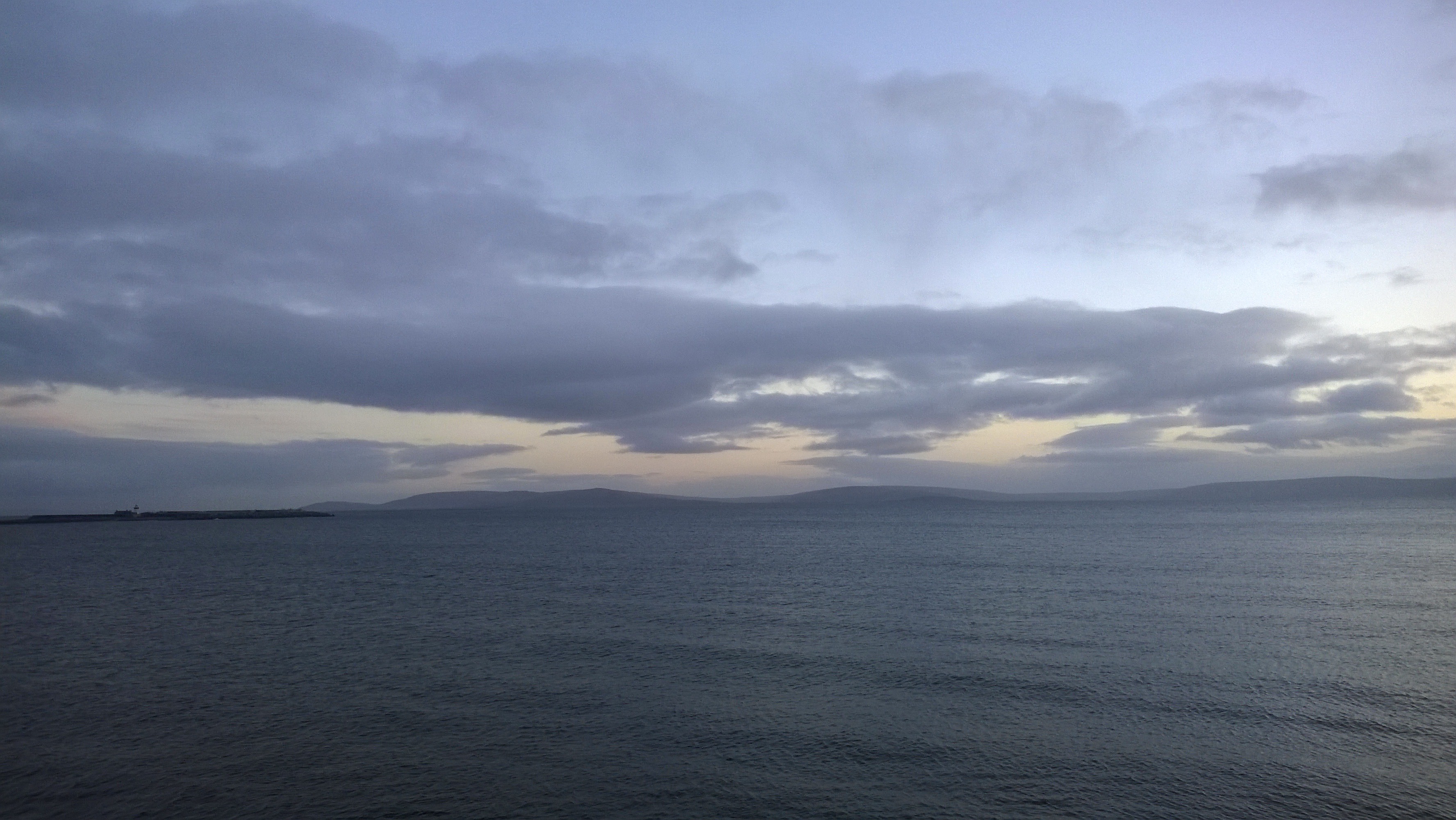
The English Department seems to be building up a special affinity with Galway. The ESSE conference last August was attended by quite a crowd (see blog post here); earlier last year I had the chance to visit the National University of Ireland in Galway as Moore Institute Research Fellow. And now I am back at the Institute for more research and networking in connection with a seminar on book history and translation studies.

There are a thousand excellent reasons to come back to Galway: the Irish are an extremely friendly people (and seem to share a number of things with Finns – maybe living at opposite ends of Europe makes for some sort of a bond?), Galway is an attractive and cosy town with an interesting history, and the University offers a vibrant intellectual atmosphere and a very warm welcome to visiting scholars.

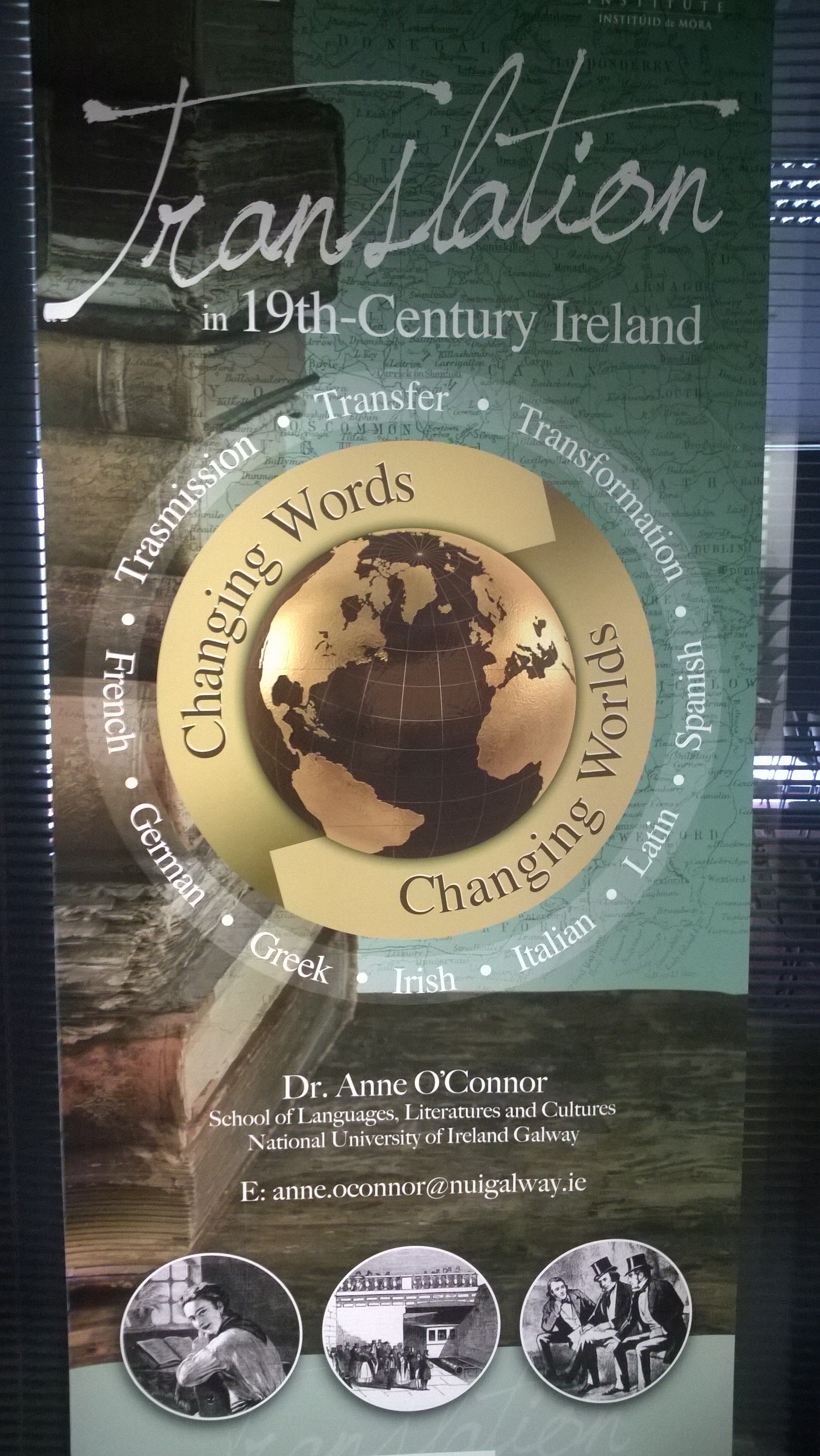
The conference “Book History Meets Translation Studies” was organised by Dr. Alice Colombo, a Marie Curie scholar in Galway, together with Dr. Anne O’Connor, who has just come out with a fantastic book on Irish translation history in the 19th century (see here) and Dr. Niall Ó Ciosáin, a renowned scholar of the Irish print culture (see here). The conference brought together researchers from different parts of the world and with widely varying topics, ranging from multilingual texts in 19th century North Africa to book illustrations, from Urdu scribes’ manuals to publishers’ archives. Katja Vuokko from our department gave a paper on Finnish translators’ footnotes; I talked about the Tauchnitz series “Collection of British Authors” and the introduction of British literature in Finland. The keynote speaker was Prof. Norbert Bachleitner from the University of Vienna with a highly interesting paper on 18th century women translators.

Apart from academic interests, Galway boasts a wealth of historical sites and places to see (and a very large number of pubs). In a street corner there is a statue of Oscar Wilde and the Estonian author Eduard Vilde, “a humorous quip on literary history”. The original statue of the W/Vildes is in Tartu (sculptor Tiiu Kirsipuu); the copy was presented to the city of Galway to celebrate Estonia’s membership in the EU. In real life, the two authors never met.

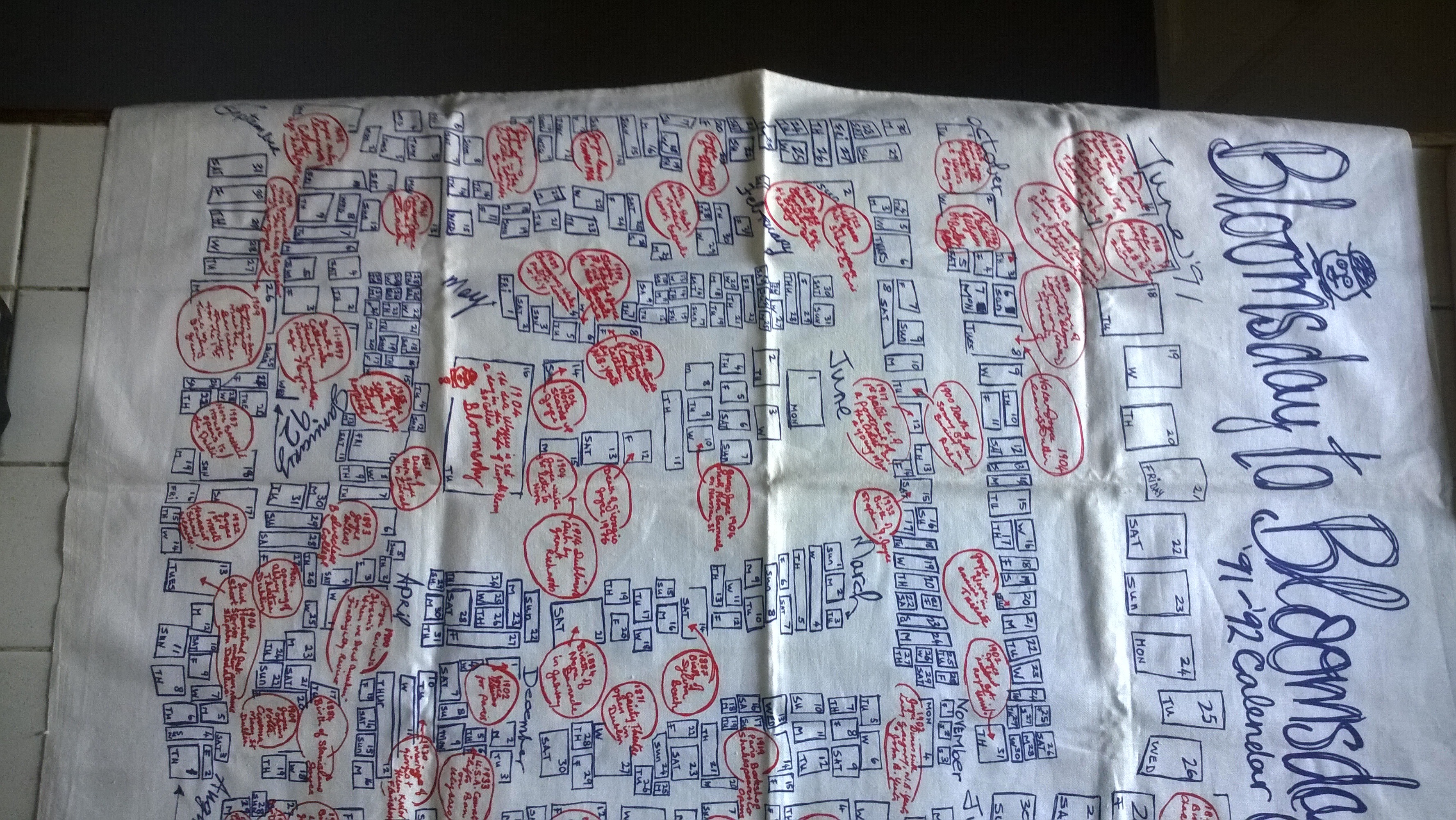
For me the most memorable place in Galway is Nora Barnacle’s house in Bowling Green, where I was taken by my wonderful landlady Sheila (the museum is presently not open for public). This was the home of Nora, James Joyce’s wife, and it is the smallest museum in Ireland with just two rooms and a backyard. Mary and Sheila Gallagher bought the house in 1987 and it is thanks to them that the house has been preserved and restored. The teatowel in the picture below celebrated the 1991 Bloomsday; one in the series of events organised by Mary and Sheila.

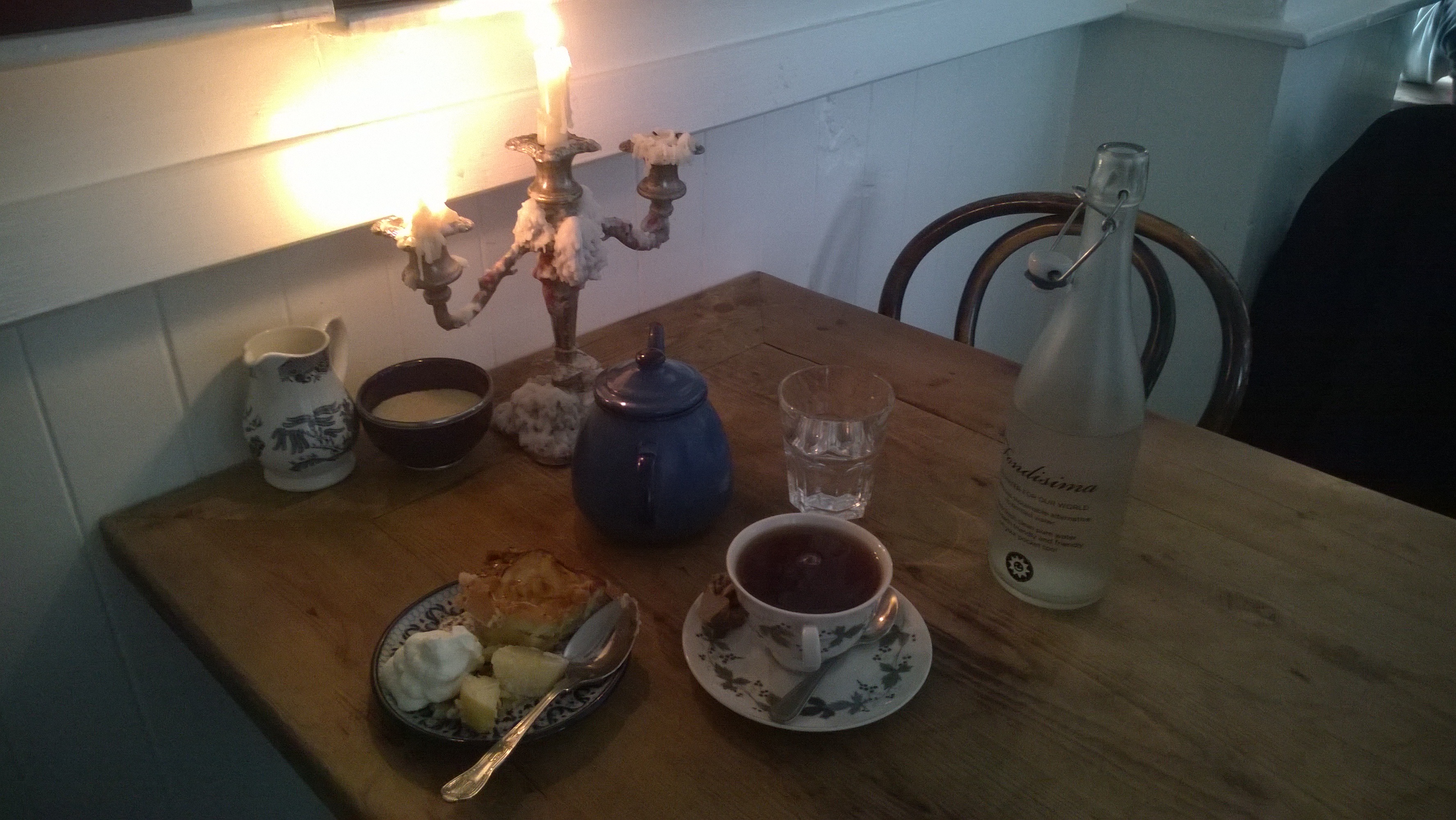
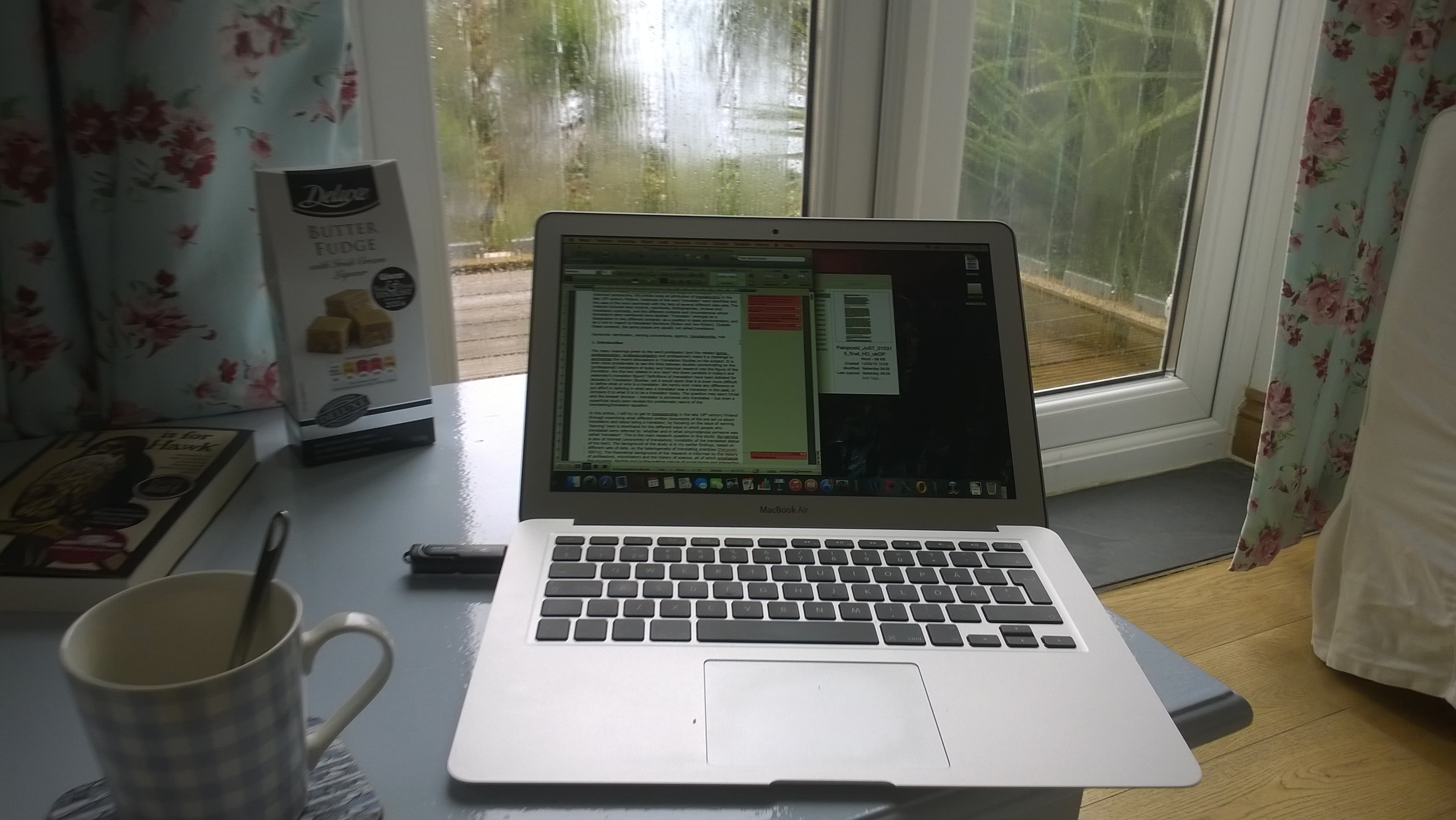
No research visit is complete without cafés and tea houses. There is plenty to choose from in Galway: Ard Bia at Spanish Arch and The Kitchen at the Galway museum are my favourites. A perfect way of combining work and leisure on a rainy day!

Text and photos by Outi Paloposki

There’s a new professor in town: Q&A with Matti Peikola

img_1872-matti
Professor Peikola in academic regalia.

1. Tell us a little bit of who you are.

I am a 48-year-old Doctor of Philosophy and a lifelong learner. I live in Turku with my wife Kirsi and our Lagotto Romagnolo dog. My academic career has primarily been at Turku, with shorter periods at Helsinki, Münster, Oxford, York and London.

2. What kinds of courses do you teach? How and when can our students meet you?

I mostly teach compulsory and elective courses on the Philological MA thesis track. I am available for consultation on Wed 14–15 or by appointment.

3. What do you do research on? What would you like to study in future?

Texts and books are my passion. I am interested in how texts are produced, circulated and consumed, from medieval to modern times. How does language use vary and how are material texts shaped in various communicative and cultural contexts? My current research interests include paratextual communication, manuscripts of English biblical translations and recorders of the Salem witchcraft papers. These and other projects will keep me busy in the foreseeable future.

4. Can you describe what a typical working day is like for professors?

No two days are alike, which is both a bonus and a challenge. Often things come up that require instantaneous attention. I value the chance to collaborate with my colleagues on co-taught courses, shared publications and joint project applications. A lot of my time goes into the reading and supervision of students’ work, which I enjoy a lot, because it allows me to learn new ideas from them. Professors are responsible for the development of their field, which requires us to follow what is going on in the academia and in the society more broadly.

5. What do you do when you are not a professor? Any time for other things in life?

The borderline between work and leisure is fuzzy. In addition to my family, nature means a lot to me: walking outdoors; watching the seasons change; spotting plants, birds and constellations in the night sky. Music is also great source of inspiration.

img_1962-matti3
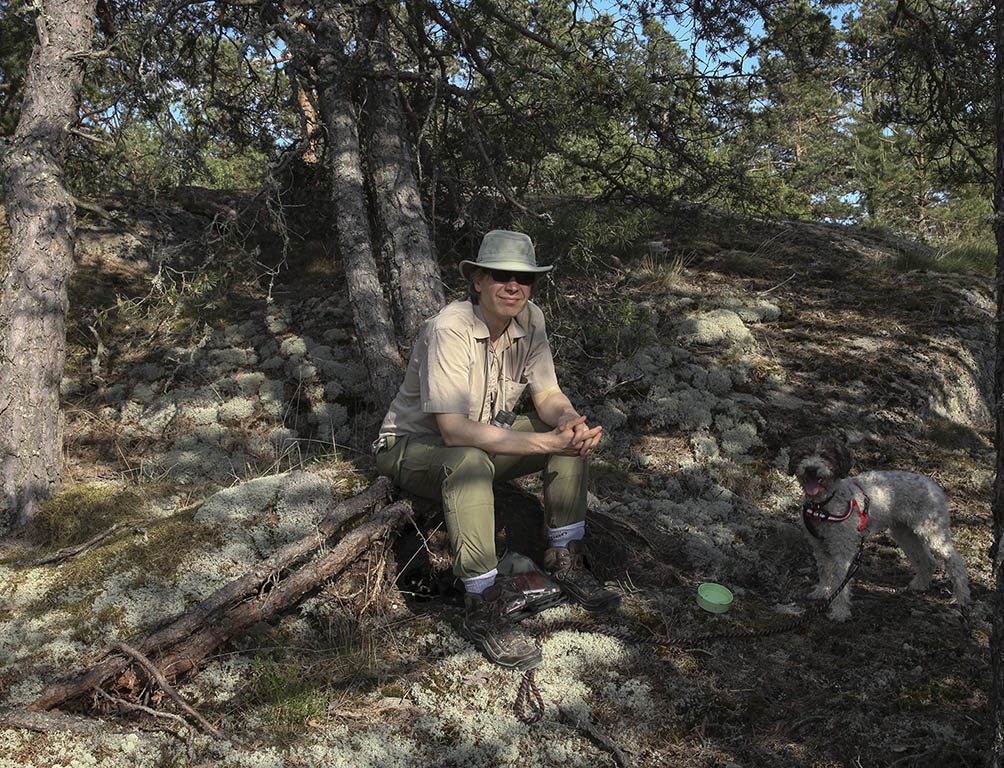
Professor Peikola and his dog enjoying the outdoors.

Postmodern feminist challenging of dominant discourses: Mehdi Ghasemi’s doctoral defence

The second one of the two doctoral defences at the Department of English in the spring 2016 was Mehdi Ghasemi’s “Quest/ion of Identities in African American Feminist Postmodern Drama: A Study of Selected Plays by Suzan-Lori Parks”. The public examination of the dissertation took place at the University of Turku on 10 June, 2016. The candidate’s performance in the defence was eloquent and he was able to justify his choices and elaborate on the points that he was requested to clarify. Despite it being a Friday afternoon in June, the defence was attended by more than thirty people – and it was conducted in an orderly fashion.
mehdi
Mehdi Ghasemi’s doctoral dissertation is a study of three plays by Parks from the standpoints of postmodern drama and African American feminism with a focus on the terrains that reflect the quest and question of identities for African Americans, especially African American women. The study is a reading of three plays by Suzan Lori-Parks – The Death of the Last Black Man in the Whole Entire World (1990), Venus (1996) and Fucking A (2000). Ghasemi’s interpretetations of the three plays offer valuable insights on this understudied playwright and genre. Ghasemi argues that “Parks in these plays uses postmodern drama and African American feminism to encourage reflections on intersectionality in order to reveal the concerns of African Americans, particularly African American women“ (p. i).

The opponent was Professor Jopi Nyman from the University of Eastern Finland, and Professor Joel Kuortti acted as custos. Professor Nyman posed demanding questions on the theoretical issues involved as well as on the particular analyses of the three plays. Mr. Ghasemi replied confidently, resulting in an engaging discussion that – judging from their reactions – was also appreciated by the audience. Finally, the opponent gave his final statement. There were no questions from the floor.

Mehdi Ghasemi is from Tehran, Iran and completed his MA on “Walt Whitman’s Loud Voice of Democracy and Individuality” at the Islamic Azad University of Karaj. The dissertation is published electronically in the Annales Universitatis Turkuensis B419.

Text by Professor Joel Kuortti, custos

Greetings from Mousehole, Cornwall

Mousehole_harbour
I am writing this piece after a night of gales and storm over England, Wales and Scotland. The small bedsit I am renting for a writing-cum-walking retreat gives out to the sea (there are seals, I’m told, but I have not managed to see them), which is now surprisingly still. The sun rises beautiful and serene, lighting the surface of the water.

office_rainyday
A change in the setting is almost always a good thing; especially if you do not need to worry about the routine tasks at home and are not tempted to start cleaning or washing to escape from writing. Obviously there are other temptations here: Cornwall is beautiful in the spring with its many daffodils. Did you know, by the way, that it was the building of the railway to Penzance in 1859 that made the daffodils from the Scilly Islands and Cornwall a major “export” to London? During the Second World War, though, land was needed for cultivation of food crops, and redundant bulbs were thrown into the hedges. This is why there is a large variety of different kinds of daffodils growing wild on cliff slopes and in woodland areas and hedges. This I learned from the Penlee House Art Gallery booklet accompanying a set of etchings of daffodils by Sally Corbet.
on_the_edge

Apart from daffodils and their fascinating story, this tip of Cornwall has more history than what can possibly be digested during a short stay. Take the disused mines, old engine houses, eerie run-down towers and mine shafts in the middle of the heath and rugged cliff landscape. They all bear witness to Cornwall’s past mining industry. By the early nineteenth century, Cornwall was the world’s largest copper producer, but with copper being found in other parts of the world, the prices went down and tin mining came to replace copper. Historical sites in South-Western Cornwall also include the Porthcurno Telegraph Museum: this is where the first under-sea cable was laid between England and India in 1870. And you must not forget the arts: Cornwall is home to the Newlyn school from the 1880s and the St. Ives artist colony, whose famous resident included the Finnish painter, Helene Schjerfbeck.
sennen_cove

I am staying in the small but extremely pretty village of Mousehole, which has a number of cafés for me sit in if I tire of writing or walking. My favourite one is Hole Foods Deli, but I have had my best scones at 2 Fore Street – just a tip in case you ever visit this part of Cornwall. There are pleasant surprises in other villages as well – both in the way of food and drink AND in literary/photographic/artistic sense, like the Cook Book café in St. Just. Their website and newsletter have nice photos with inventive captions of the surrounding people, flora and fauna.
Walk_in_the_woods

To end with a rather triste, yet strangely consoling note: this morning I was moved to tears listening to the poet Clive James live on BBC on his life, impending death, and poetry. If you are interested, read this Guardian story.

Mousehole at sunrise

I believe these thoughts on life and death, resurrection and hope, as well as the beauty and regenerative powers of nature are quite appropriate for Easter week. I wish all of our students and staff a Happy Easter!

Text and photos by Professor Outi Paloposki

Seven Wonders of the Frankfurt Book Fair

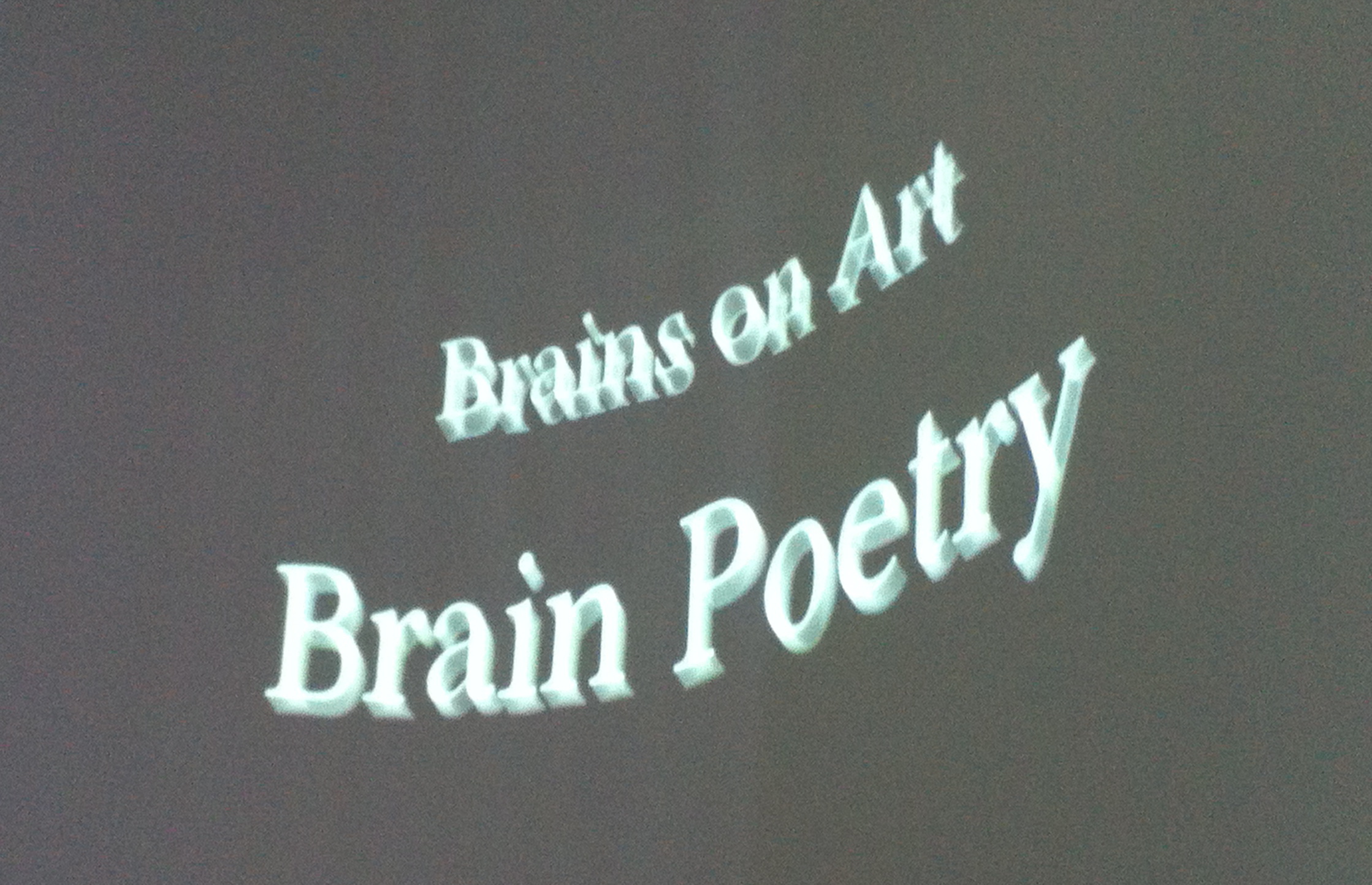
Have you ever considered how brain waves can be transferred into poetry? Don’t worry. The Helsinki-based Brains on Art collective has solved the problem for us. With the help of a tinfoil hat – i.e. a sensor helmet – and computer magic, brain waves create poems. This is first of the wonders I found in the Frankfurt Book Fair 2014 where Finland was the Guest of Honour.
brainpoetry
As I strolled the numerous halls and miles upon miles of corridors, I tried to locate the allure of this world’s greatest book event. The sheer size is the second wonder – 270 000 visitors during five days. There were mini-buses and modern cycle rickshaws to transport you from hall to hall.

Thirdly, I could mention a feature that was very welcome after dragging your feet around for hours. At least in two places there were massage points where you could get a 15-minute neck and shoulder rub for a negotiable fee. Body and soul indeed.

The fourth point is quite unbelievable. I did not buy even one book during my three days in the fair ground. Not due to abstinence but because the event is basically a trade exhibition with very little actual book selling. Business is done between publishers, agents and other book industry representatives.

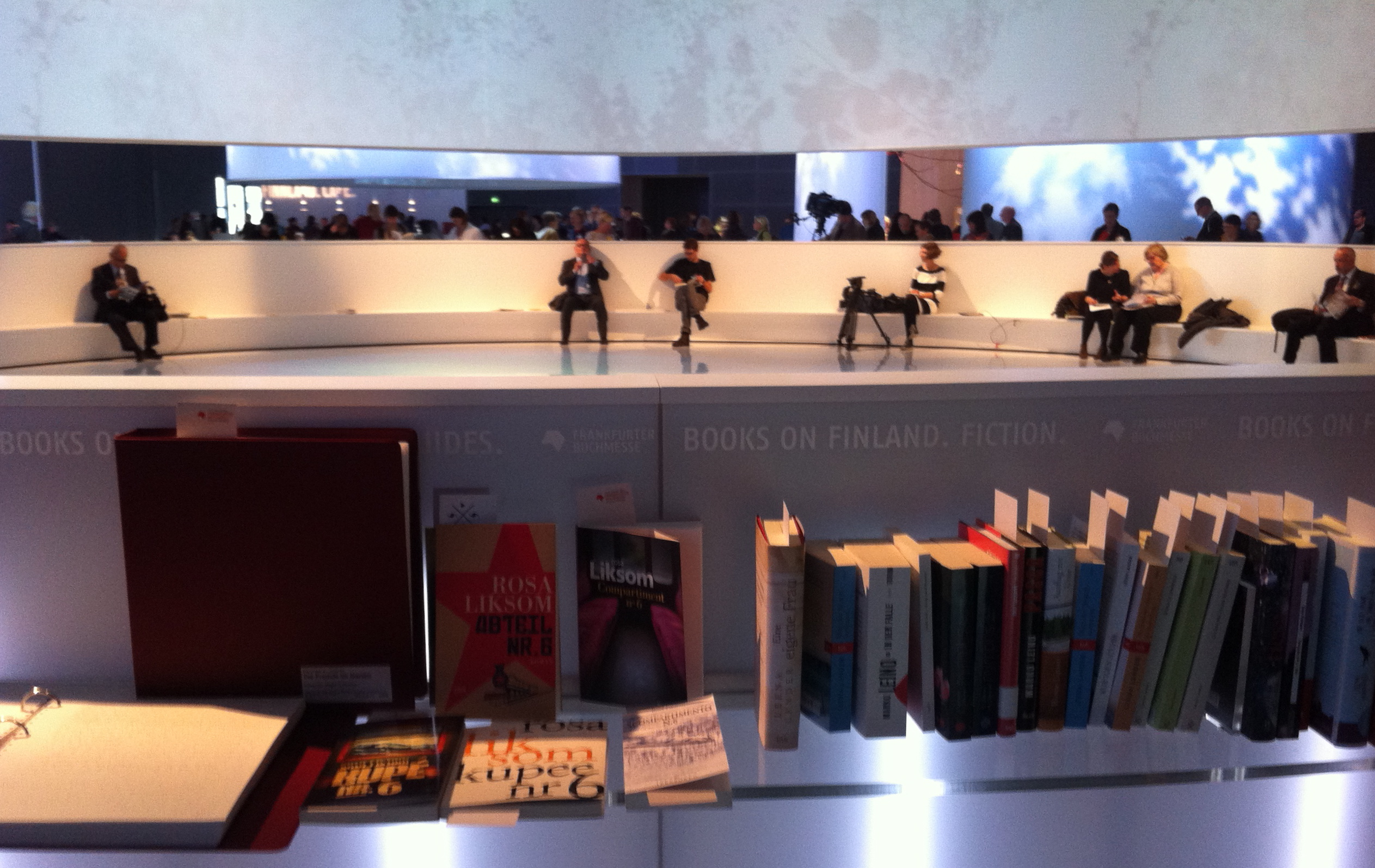
As the fifth wonder, I must mention the extent to which translators and translations were present. This could be seen everywhere but particularly in the Finnland.Cool (yes, that was the motto) Pavilion where the centre sphere displayed nearly a thousand books on Finland and translations of Finnish literature.

frankfurt
As the sixth point, I was very pleased to see that the Helsinki City Library had driven their Mobile Children’s Library bus Skidi to Frankfurt. How cool is that!

The seventh wonder is no doubt book itself. With all the talk about the demise of the traditional format, book seems to be stronger than ever. Evidence to this could be seen in the stalls from all over the world, in any number of languages, in whatever genre, with whichever type of layout.

Oh, and if you want to know how my EEG translated into poetry, here’s the result:

I am waiting weeping watching for Thee
I have not forgotten it thou’lt do me
I have no name
I could lie down like a tired child

(Obviously, the computer cheats, so can you crack this and recognize the original poets/poems?)

Text and photos: Joel Kuortti