A year of remote learning – and cats

What a year it has been! This could easily be a long blog post about the effects of the pandemic on teaching and learning and what pedagogical solutions have been implemented and experimented with at the department, but today we have more important things to discuss. We need to talk about cats.

This year has been extremely active for all our cat students and cat faculty members. They seem to thrive particularly in Zoom environments and have throughout the year been a mainstay for remote learners and teachers. Let’s hear from notable cat members of the English department community – and one dog. Email interviews have been facilitated by each cat’s staff.

Kiki via Vilma Lindroos:

Due to remote learning this year, I have seized the opportunity to constantly remind Vilma that the most important thing in her life are not her studies, but me. She reports that my ears perk up at the slightest sound of conversation, ready to disrupt yet another lecture that dares to take her attention from me even for a minute. Petting me in her lap does serve her as a great stress relief when she is tackling a particularly intimidating task, so I always win.
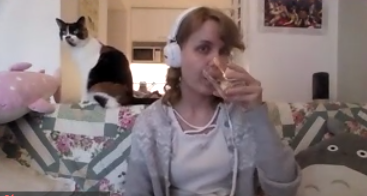
Behold as I conquer, says Kiki.

Alma, Hilja, Lohtu and Kulju via Elina Valovirta:

Elina works from an old renovated outbuilding at our country home. We use it as our Signum’s Kaffila or Rosetta’s coffee room. Whenever Elina heads to the outbuilding to work, we follow, eager to not help. A collective napping session might ensue; Alma the opera singer might decide to belt out an aria, or Hilja and Kulju decide a wrestling match is in order right in the middle of Elina’s lecture. Lohtu begs for treats on the work desk. We have done our very best in not helping at all, and what’s not to love about that?
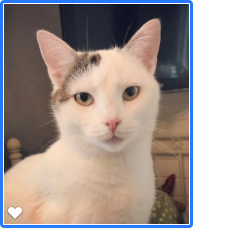
I can haz treat?
I can haz treat? Says Lohtu.

Elo and Fox via Minna Hjort

Fox has been an active co-teacher throughout the pandemic. He has not been afraid to speak his mind about a variety of topics, including the shocking fact that the department offers no classes on dog-human translation. Elo, the cat that she is, has been less interested. Although once she did find it necessary to position her butt right in front of the camera in the middle of a lesson. Occasionally she also assumes the role of reviewer 3 (see picture) and engages in document disposal management (shredding papers).
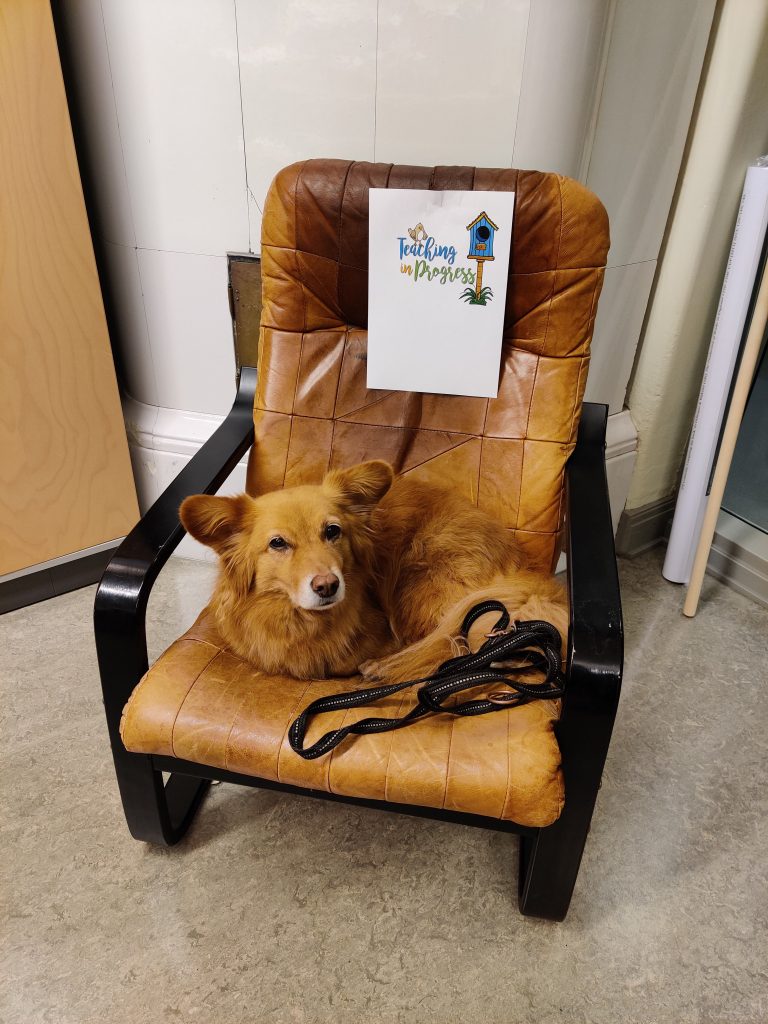
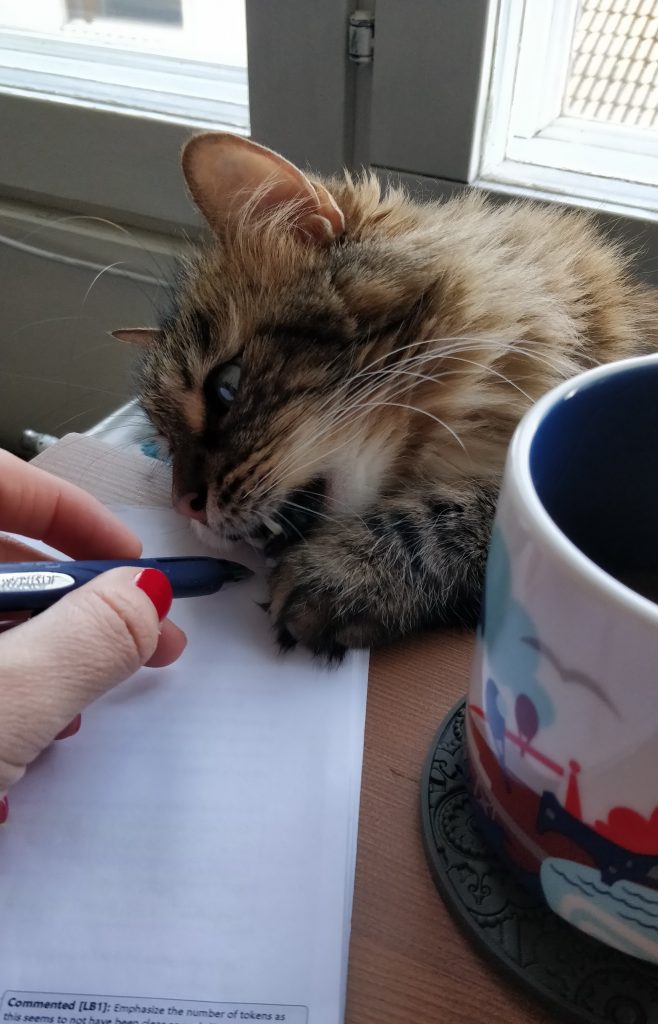
Teaching in progress. Don’t disturb me, says Fox.
I am destroyer of all papers.

Finally, Pirkka Hallamaa, has found a way to look his best on camera: his photogenic cat provides the ultimate Zoom accessory: the cat filter.
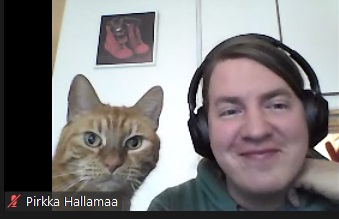
Don’t hate me because I am beautiful.

Text by Elina Valovirta

Photos by staff and screen grab.

Heat wave and historical linguistics in Essen

For university faculty, summer does not simply equal vacation. It is also a prime time for international conferences that are part of our work as researchers. In the end of August, historical linguists flocked to Essen, Germany for the 19th biennial ICEHL conference (22–26 August). ICEHL stands for “International Conference on English Historical Linguistics”.

essen2

The four conference days were packed with excellent plenaries and fascinating papers on all aspects of English historical linguistics – for example pragmatics, speech representation, syntax, variation, language contact, phonology and semantics. Together, the papers covered a millennium of the story of English, from Old English to Late Modern English. You can take a look at the programme here.

Our Philological Track was well represented in the conference. Hanna Salmi gave a paper on verse and prose debates in early modern England. Aleksi Mäkilähde discussed his pragmaphilological approach to the study of language choice in Early Modern English school drama. Janne Skaffari also dealt with multilingual practices in a paper he gave together with Arja Nurmi from the University of Tampere. Finally, Matti Peikola and I discussed early sixteenth-century title-pages as sites of textual discourse. We were delighted to be in the same session with our former Turku colleague Carla Suhr (currently University of Helsinki) who also explored early English title-pages in her talk.

While the other members of our team are frequent ICEHL delegates, this was my first (but probably not the last) ICEHL conference. I really enjoyed my time in Essen, and the heat wave that struck us during the conference was a welcome break after the chilly Finnish summer. The next ICEHL will be hosted by the University of Edinburgh in 2018. As that is the 20th ICEHL conference, organised during the famous Fringe festival in August, I am sure it will be a festive experience indeed!

Text and photos by Mari-Liisa Varila

A Heat Wave of Digital Humanities

cover_leipzig

leipzig2
It’s not summer for a doctoral student if it doesn’t include an intensive training week or two. We two intrepid travellers from the Department attended the sixth European Summer University in Digital Humanities (ESU DH), “Culture and Technology”, held at Universität Leipzig July 28-August 7.

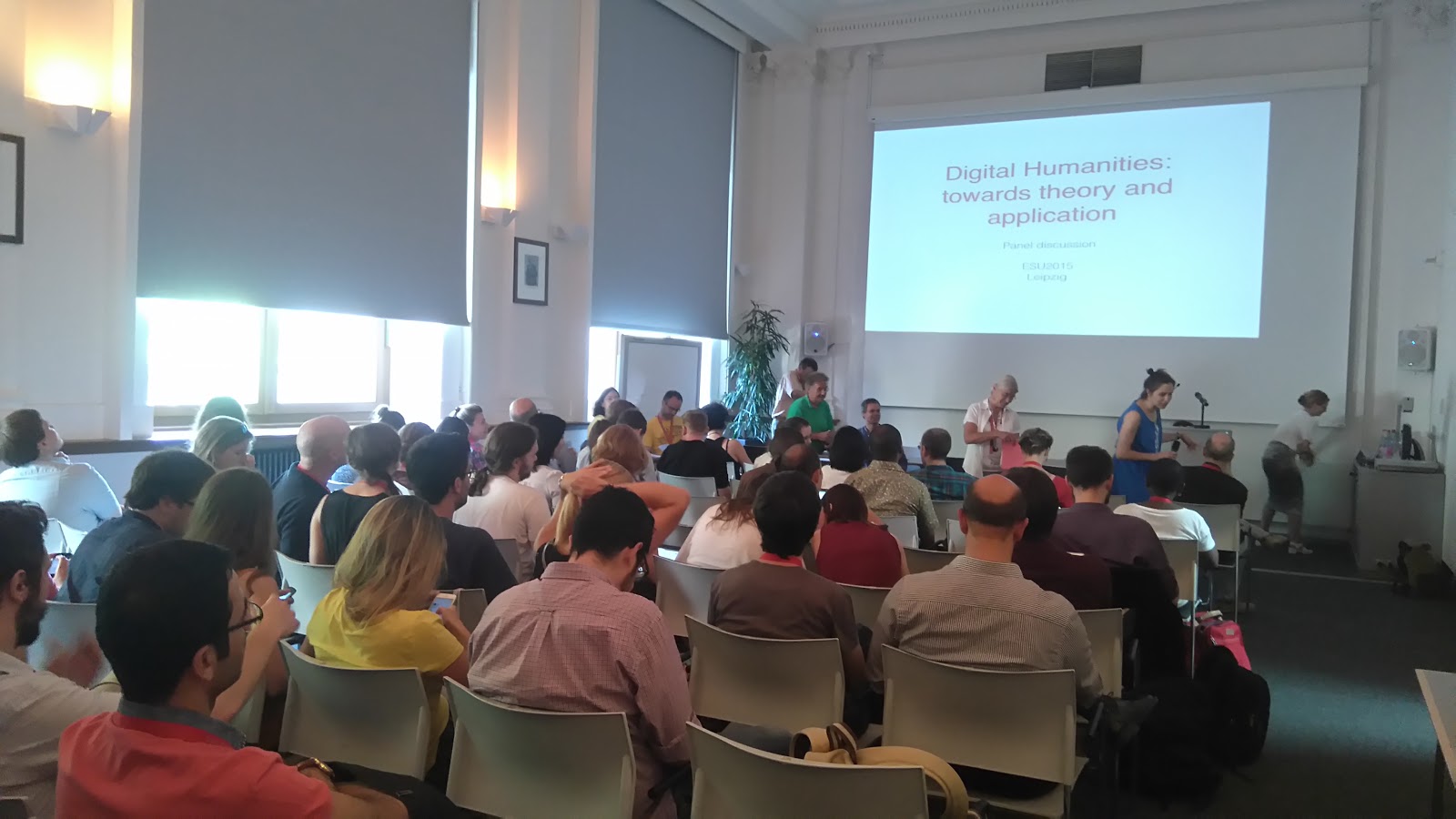
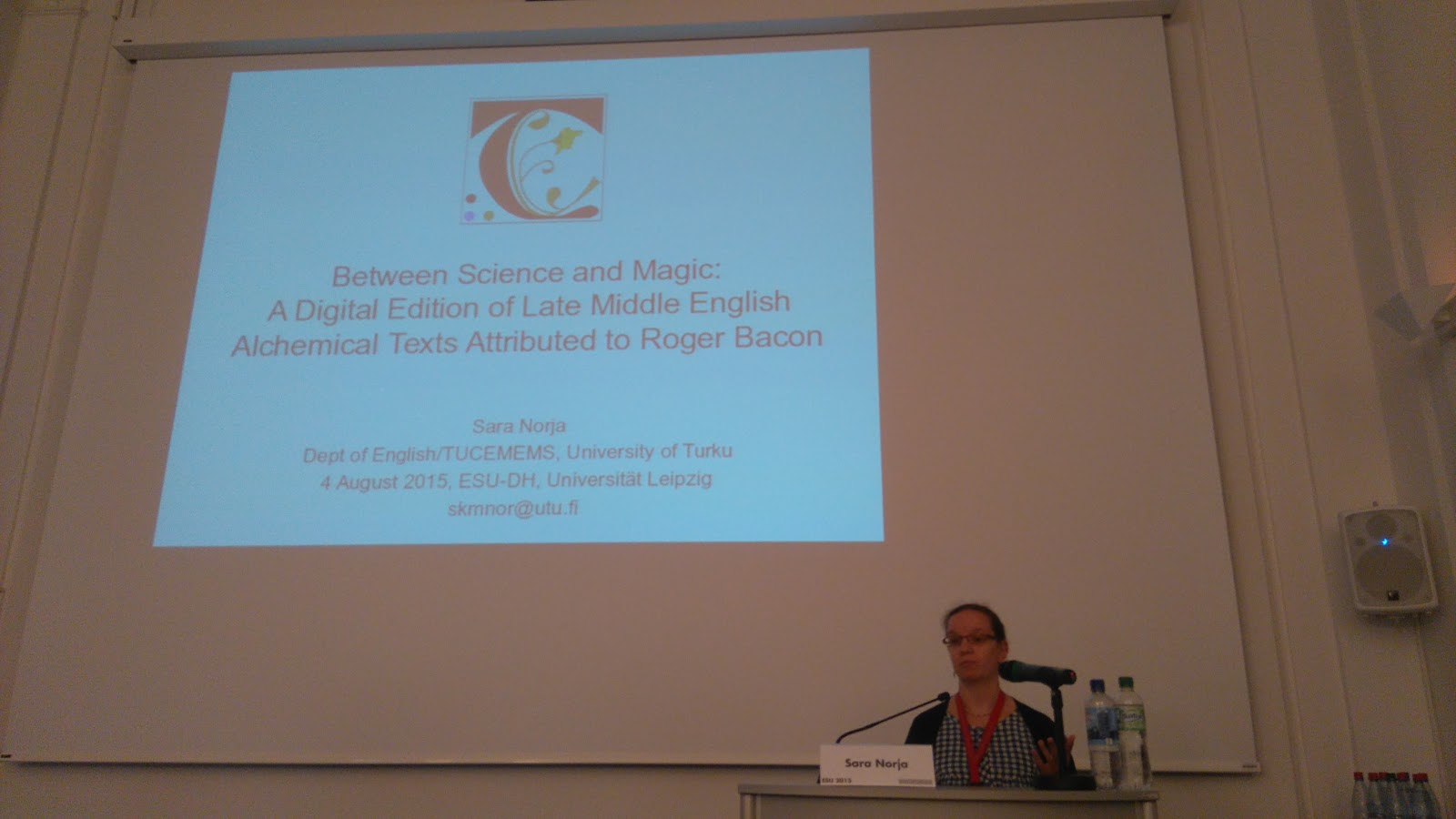
Founded by Prof. Elisabeth Burr, ESU DH is a multilingual, multidisciplinary forum for young digital humanists of all stripes. The summer university offers a great number of workshops on topics ranging from programming languages and editorial principles to software tools. In addition to the two workshops taken by each participant, we were treated to a number of lectures and project presentations, poster sessions, panels and even two science slams. (Our workshop won the first one!) One of the most rewarding aspects of ESU DH was discussions with people hailing from various disciplines, united by our interest in the digital applications of humanities research.
leipzig3
We both attended the two-week workshop “Digital Editions and Editorial Theory: Historical Texts and Documents”. The first week, taught by Dr. Johanna Green (University of Glasgow), concentrated on (digital) editorial theory, using online editions of historical texts to highlight issues discussed. Both of our doctoral dissertations deal with historical texts in digital environments, so the workshop’s content had great practical value. Sara’s doctoral dissertation incorporates a digital edition of early English texts, while Sirkku’s involves a corpus of Renaissance paratexts. Both benefit from the instruction in editorial theory. Hence one of the highlights of the workshop was the theoretical discussion on different digital editions already published online, which gave insight into the options available for future work. The editions varied in presentation and style from The Dream of the Rood to Jane Austen’s Fiction Manuscripts and The Chymistry of Isaac Newton.

The second week, taught by Kathryn Simpson (Edinburgh Napier University), was more hands-on, introducing us to the world of XML-encoded digital editing using material from the Livingstone Online Project. The project has collected a sizeable number of Livingstone’s field diaries, used spectral imaging technology to bring out the (often rather illegible) diary page, and is in the process of producing a digital edition. We got to participate in the project through transcribing pages from David Livingstone’s field diaries into XML using OXygen.
leipzig4
Livingstone, 1871 Field Diary, 297b/157-138 in color (left) and spectral ratio (right).
Image credit: Livingstone Online Project (CC).

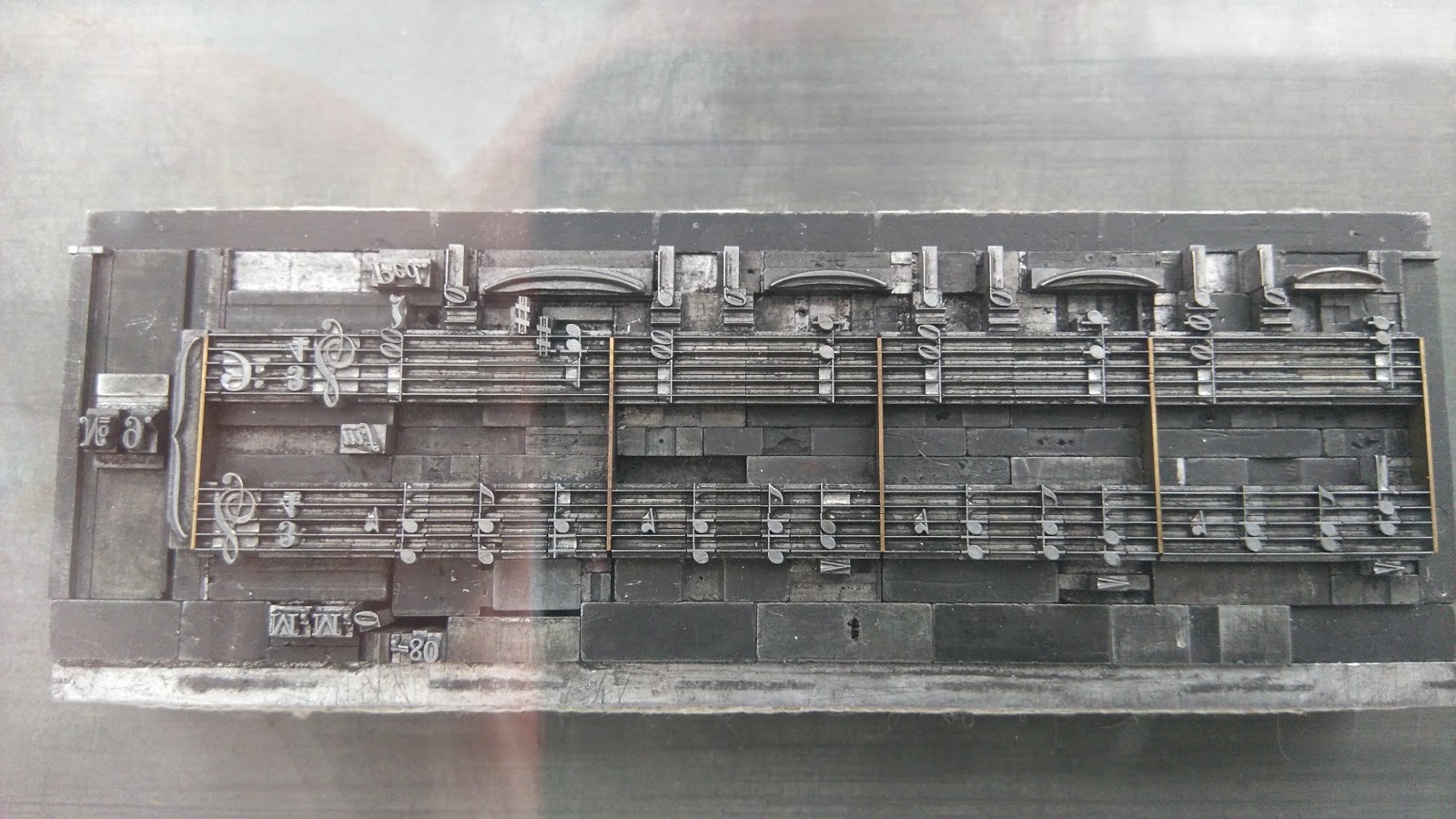
Despite the full schedule, ESU DH managed to include a plethora of social events including coffees and communal dinners, as well as excursions to local museums and parks. The evening activities were slightly hampered by the heat, which climbed close to 40 degrees celsius (!) Thankfully the school itself was air conditioned. Since Leipzig celebrates its 1000th year as a city in 2015, there was too much to see to let the heat bother us. (Including a really rather convincing Elvis impersonator performing in a free open air concert on our final evening.) The highlight of the events for us was the visit to the Museum für Druckkunst, a printing history museum with a collection of several dozen printing presses, type foundries, and a number of historical print products, including their collection of incunabula.

leipzig6
All in all, the summer university was a fantastic experience and we both highly recommend it for anyone interested in, or doing research on, digital humanities.

Text: Sara Norja and Sirkku Ruokkeinen
Cover image credit: Maciej Eder (Uniwersytet Pedagogiczny, Kraków, Poland)

Greetings from Mousehole, Cornwall

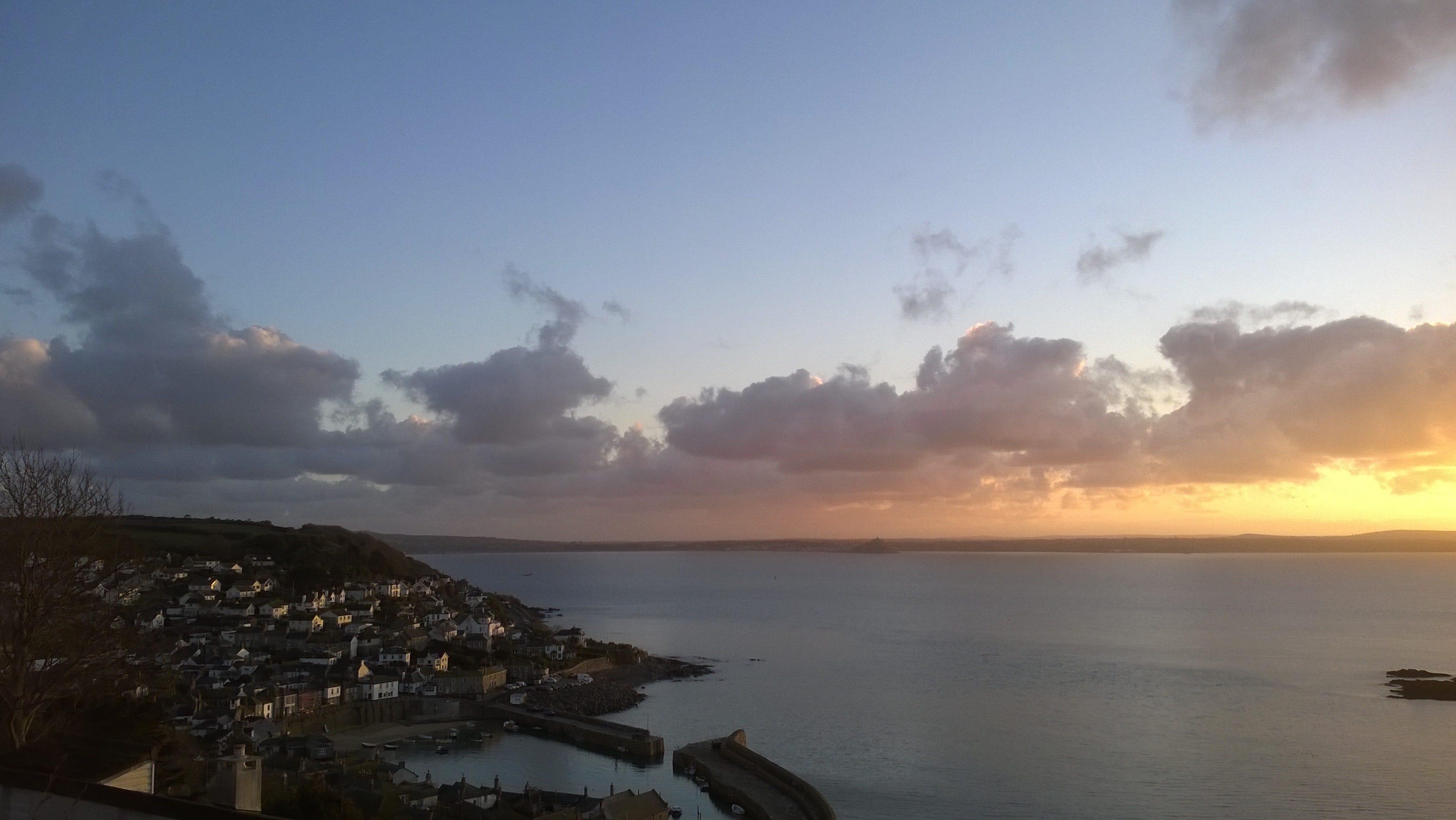
Mousehole_harbour
I am writing this piece after a night of gales and storm over England, Wales and Scotland. The small bedsit I am renting for a writing-cum-walking retreat gives out to the sea (there are seals, I’m told, but I have not managed to see them), which is now surprisingly still. The sun rises beautiful and serene, lighting the surface of the water.

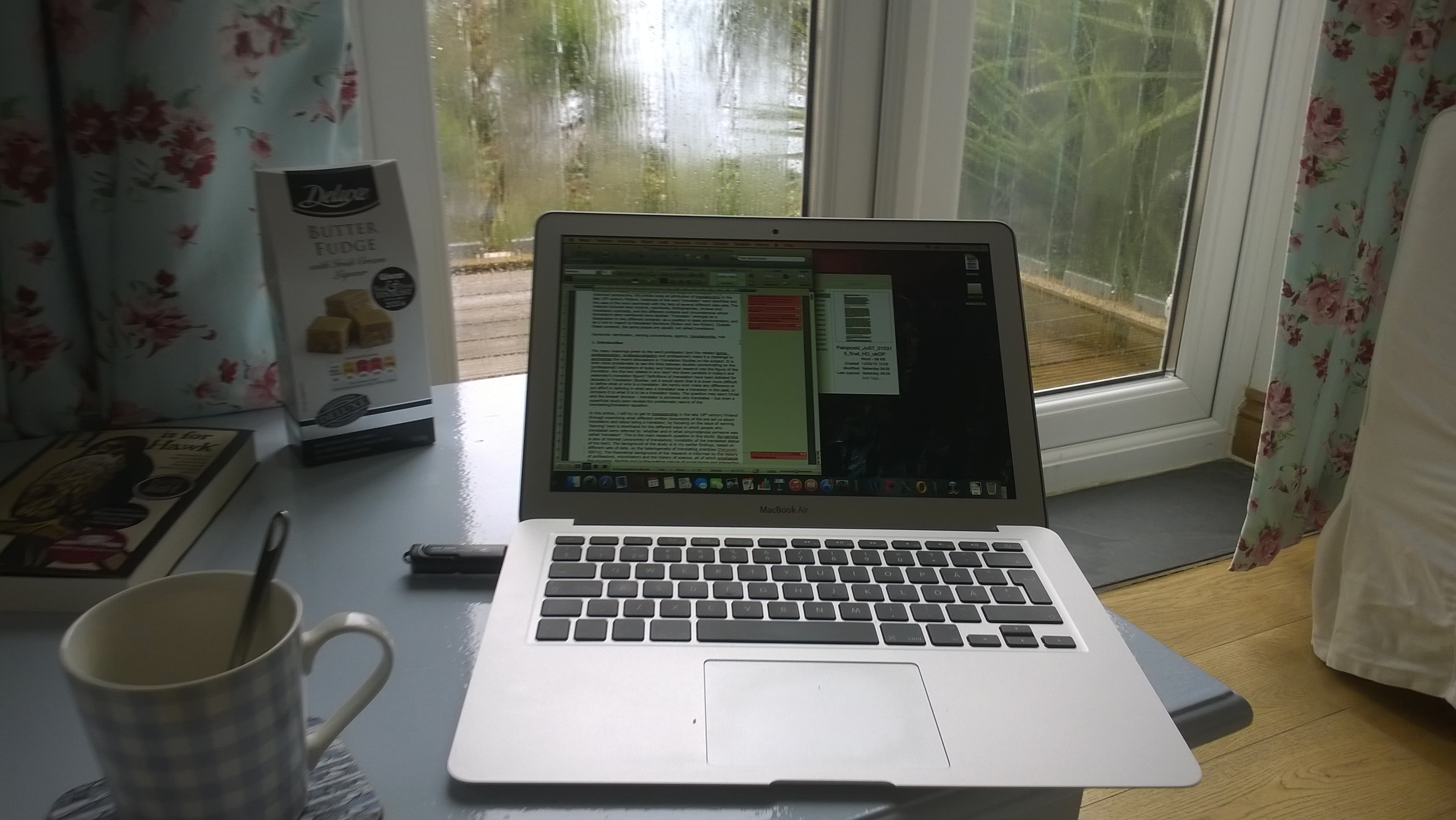
office_rainyday
A change in the setting is almost always a good thing; especially if you do not need to worry about the routine tasks at home and are not tempted to start cleaning or washing to escape from writing. Obviously there are other temptations here: Cornwall is beautiful in the spring with its many daffodils. Did you know, by the way, that it was the building of the railway to Penzance in 1859 that made the daffodils from the Scilly Islands and Cornwall a major “export” to London? During the Second World War, though, land was needed for cultivation of food crops, and redundant bulbs were thrown into the hedges. This is why there is a large variety of different kinds of daffodils growing wild on cliff slopes and in woodland areas and hedges. This I learned from the Penlee House Art Gallery booklet accompanying a set of etchings of daffodils by Sally Corbet.
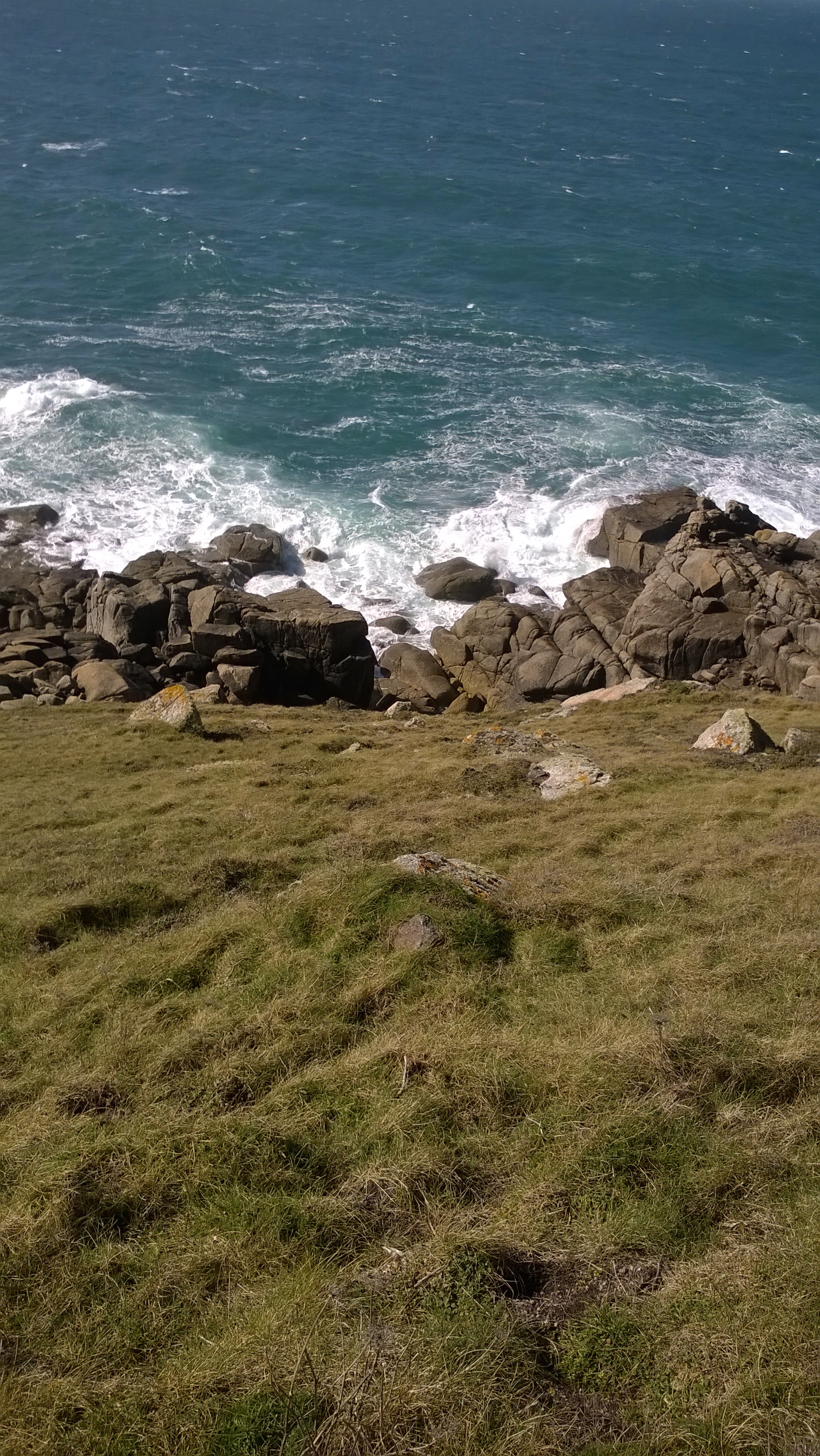
on_the_edge

Apart from daffodils and their fascinating story, this tip of Cornwall has more history than what can possibly be digested during a short stay. Take the disused mines, old engine houses, eerie run-down towers and mine shafts in the middle of the heath and rugged cliff landscape. They all bear witness to Cornwall’s past mining industry. By the early nineteenth century, Cornwall was the world’s largest copper producer, but with copper being found in other parts of the world, the prices went down and tin mining came to replace copper. Historical sites in South-Western Cornwall also include the Porthcurno Telegraph Museum: this is where the first under-sea cable was laid between England and India in 1870. And you must not forget the arts: Cornwall is home to the Newlyn school from the 1880s and the St. Ives artist colony, whose famous resident included the Finnish painter, Helene Schjerfbeck.
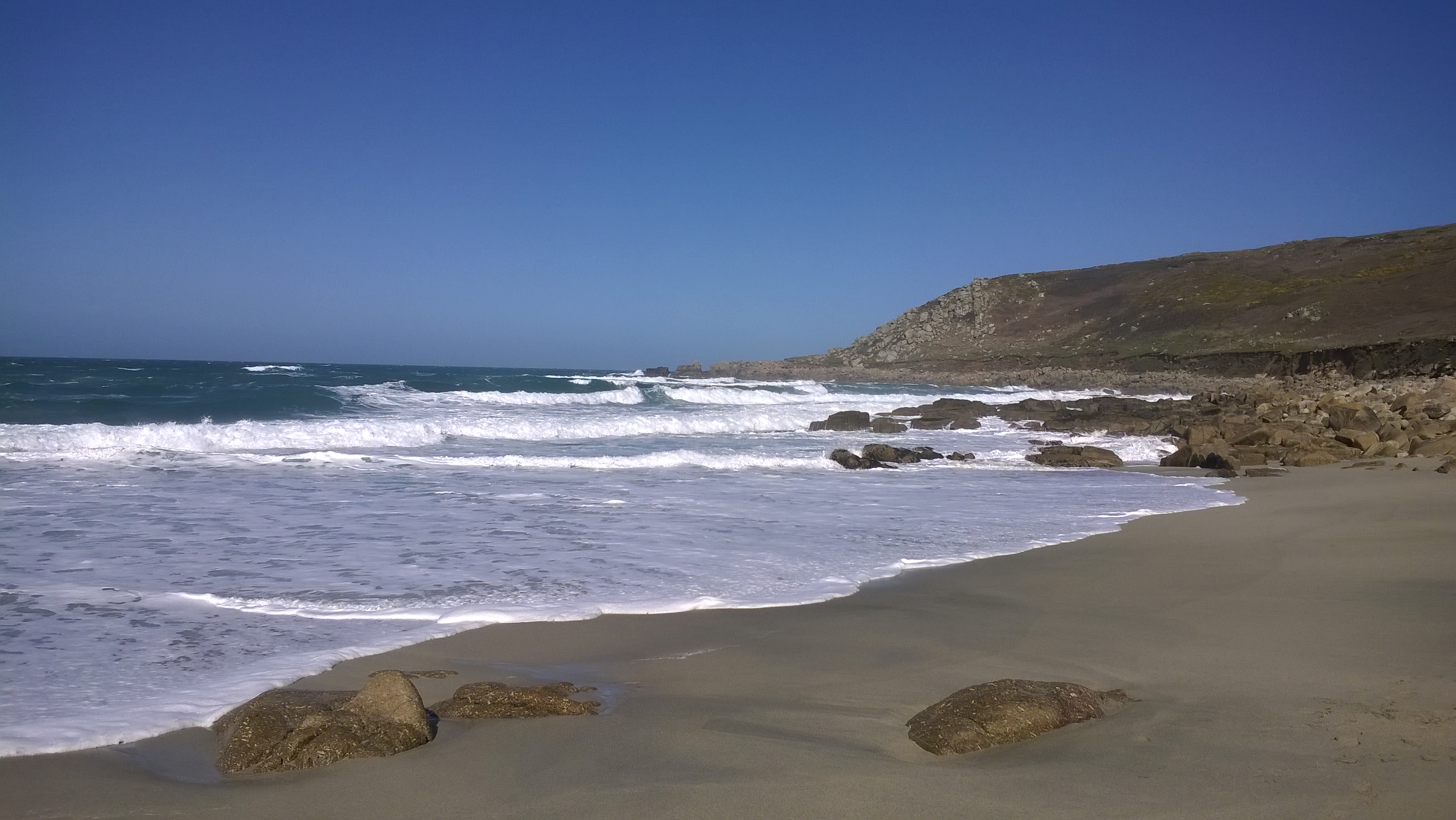
sennen_cove

I am staying in the small but extremely pretty village of Mousehole, which has a number of cafés for me sit in if I tire of writing or walking. My favourite one is Hole Foods Deli, but I have had my best scones at 2 Fore Street – just a tip in case you ever visit this part of Cornwall. There are pleasant surprises in other villages as well – both in the way of food and drink AND in literary/photographic/artistic sense, like the Cook Book café in St. Just. Their website and newsletter have nice photos with inventive captions of the surrounding people, flora and fauna.
Walk_in_the_woods

To end with a rather triste, yet strangely consoling note: this morning I was moved to tears listening to the poet Clive James live on BBC on his life, impending death, and poetry. If you are interested, read this Guardian story.

Mousehole at sunrise

I believe these thoughts on life and death, resurrection and hope, as well as the beauty and regenerative powers of nature are quite appropriate for Easter week. I wish all of our students and staff a Happy Easter!

Text and photos by Professor Outi Paloposki

Seven Wonders of the Frankfurt Book Fair

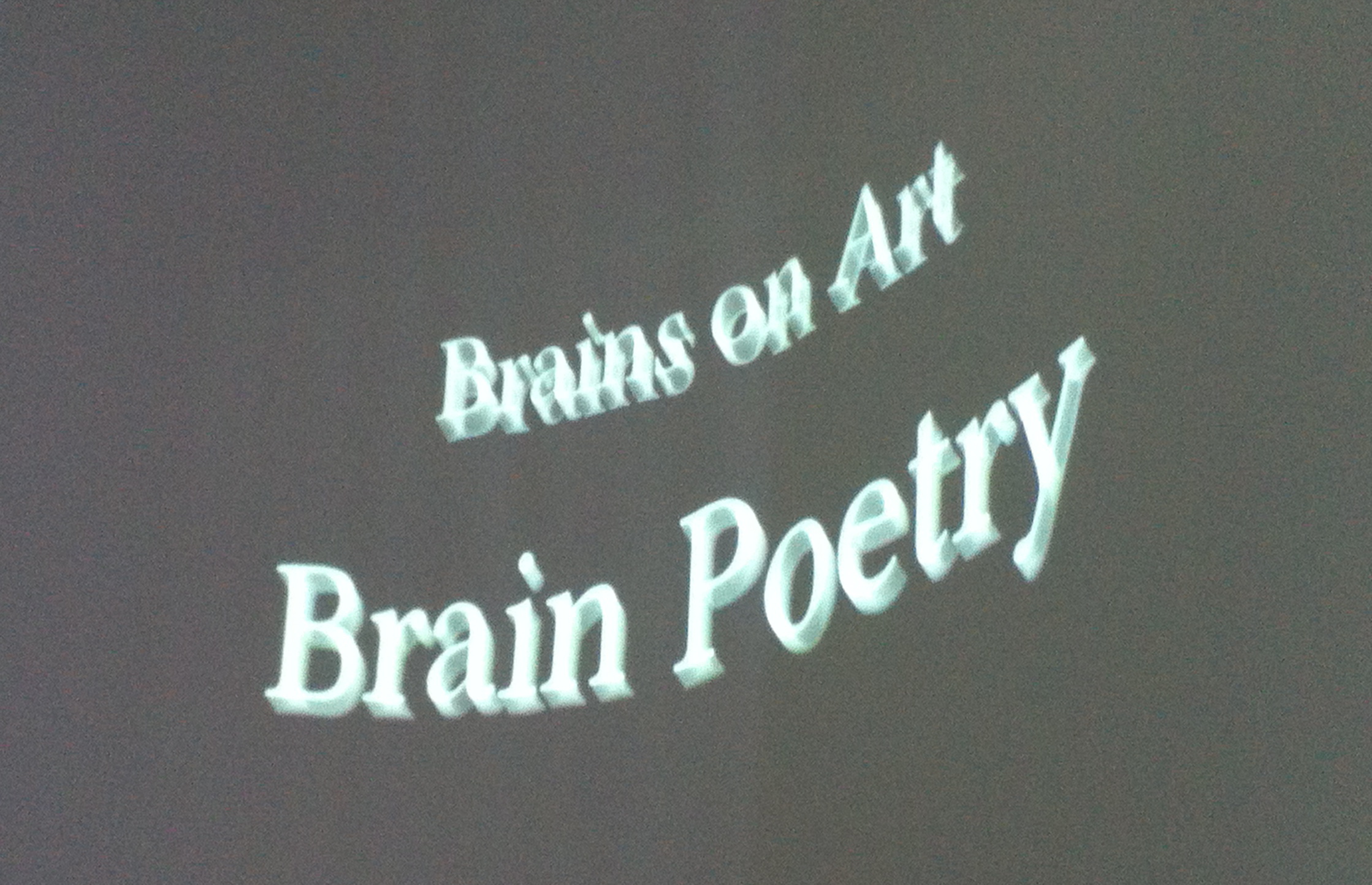
Have you ever considered how brain waves can be transferred into poetry? Don’t worry. The Helsinki-based Brains on Art collective has solved the problem for us. With the help of a tinfoil hat – i.e. a sensor helmet – and computer magic, brain waves create poems. This is first of the wonders I found in the Frankfurt Book Fair 2014 where Finland was the Guest of Honour.
brainpoetry
As I strolled the numerous halls and miles upon miles of corridors, I tried to locate the allure of this world’s greatest book event. The sheer size is the second wonder – 270 000 visitors during five days. There were mini-buses and modern cycle rickshaws to transport you from hall to hall.

Thirdly, I could mention a feature that was very welcome after dragging your feet around for hours. At least in two places there were massage points where you could get a 15-minute neck and shoulder rub for a negotiable fee. Body and soul indeed.

The fourth point is quite unbelievable. I did not buy even one book during my three days in the fair ground. Not due to abstinence but because the event is basically a trade exhibition with very little actual book selling. Business is done between publishers, agents and other book industry representatives.

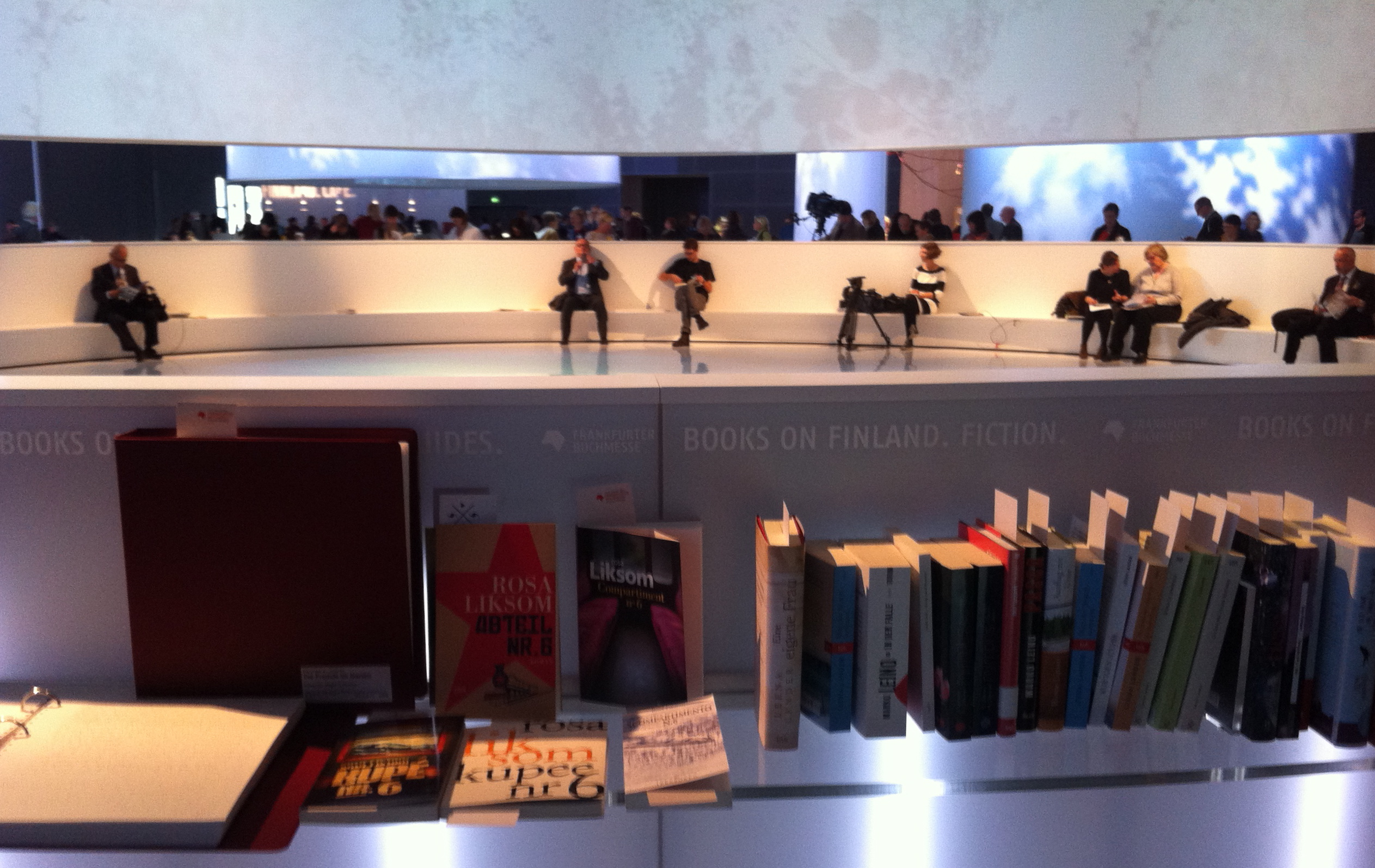
As the fifth wonder, I must mention the extent to which translators and translations were present. This could be seen everywhere but particularly in the Finnland.Cool (yes, that was the motto) Pavilion where the centre sphere displayed nearly a thousand books on Finland and translations of Finnish literature.

frankfurt
As the sixth point, I was very pleased to see that the Helsinki City Library had driven their Mobile Children’s Library bus Skidi to Frankfurt. How cool is that!

The seventh wonder is no doubt book itself. With all the talk about the demise of the traditional format, book seems to be stronger than ever. Evidence to this could be seen in the stalls from all over the world, in any number of languages, in whatever genre, with whichever type of layout.

Oh, and if you want to know how my EEG translated into poetry, here’s the result:

I am waiting weeping watching for Thee
I have not forgotten it thou’lt do me
I have no name
I could lie down like a tired child

(Obviously, the computer cheats, so can you crack this and recognize the original poets/poems?)

Text and photos: Joel Kuortti

To new beginnings!

A new term is beginning – for the new arrivals as well as for the returning students and staff. New acquaintances will be made, new faces will become familiar, and old faces will gain new features. There are many new teachers in the staff, who will inevitably bring new ideas with them. We look forward to that, too.

New courses will start, and new types of collaboration between departments will grow during the term. This is instigated especially by the introduction of a new type of syllabus in the Master’s studies, consisting of four study paths: Language Learning and Teaching Path, Translation and Interpreting Path, Language Specialist Path and Researcher Path (see the blog text of 7 March 2014). Nobody knows for sure what lies in future but I am confident that the result is something good and beneficial, worth all the while that was spent in creating the system.

With all these new aspects and people, at least one thing remains the same. That is the warm, lackadaisical yet academic atmosphere of the English Department. While we aim high in teaching and research, we do not forget the light side of life. And that is brought on board by all of you.

“It’s a very good thing, really. I’ll be seeing lots of new things, a lot of new creatures.” (Kurt Vonnegut, The Sirens of Titan, 1959)

Joel Kuortti
Professor, Head of English Department
Head of School of Languages and Translation studies

humanists2
Turku humanists.
Photo by Joel Kuortti

A Tale of Two Departments

IMG_0410

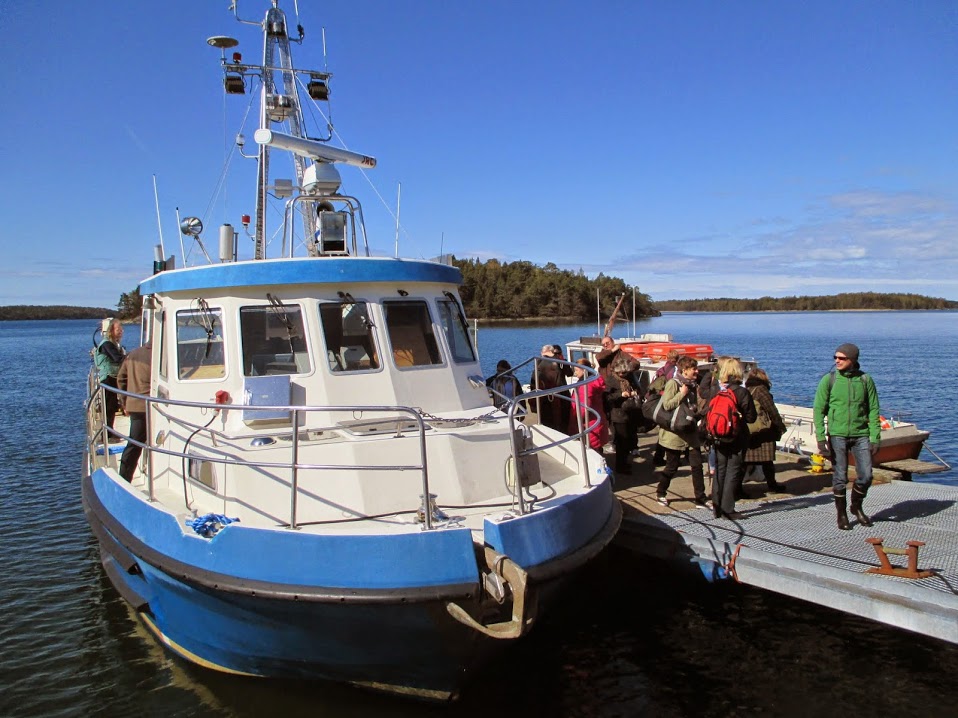
The two English Departments in Turku, Åbo Akademi and Turun Yliopisto, congregated, as has been the custom over the years, for a joint retreat, this time on the island of Seili in the Turku archipelago. Seili, of course, is the island historically (in)famous for its leper colony and later its mental institution. For the last 50 years, the Archipelago Research Institute has had its base on Seili.

IMG_0409

The retreat started from the River Aura, where the boat Aurelia picked us up on the two-hour sea voyage to Seili in sunny but cold spring weather. After settling in to our sleeping quarters and having lunch, it was time for official business. We started with a round of introductions, as despite a history of joint retreats, not everyone knew each other in advance. Informality characterises the retreats, and this one was no exception. Synergy cannot be achieved through official structures, but rather through interaction, spontaneity, and relaxed atmosphere. The retreats are ideal for that, as going away from your usual environment can foster new ideas.

Professor Anthony Johnson and PhD Candidate Aleksi Mäkilähde gave a presentation on their joint project on the Orationes, a collection of school plays from the late 17th century. Their excellent presentation was followed by Signe-Anita Lindgrén & Pekka Lintunen’s presentation on various learner corpora, as they chronicled the challenges involved in corpus-building, ranging from practical problems to comparability, but both also stressed that corpus-building is in fact lots of fun!

IMG_0439

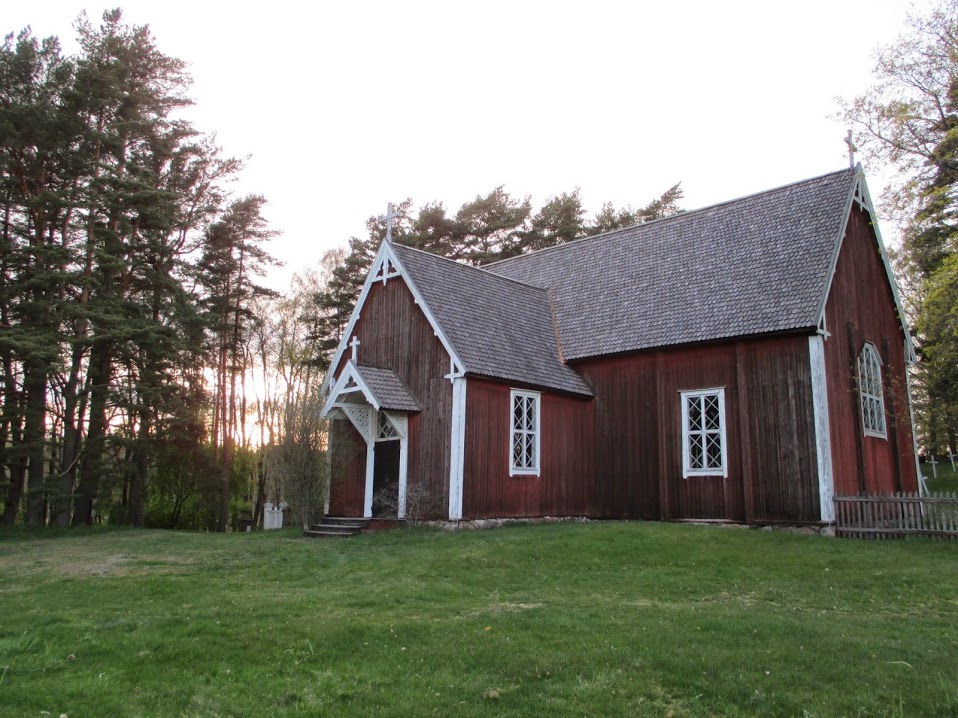
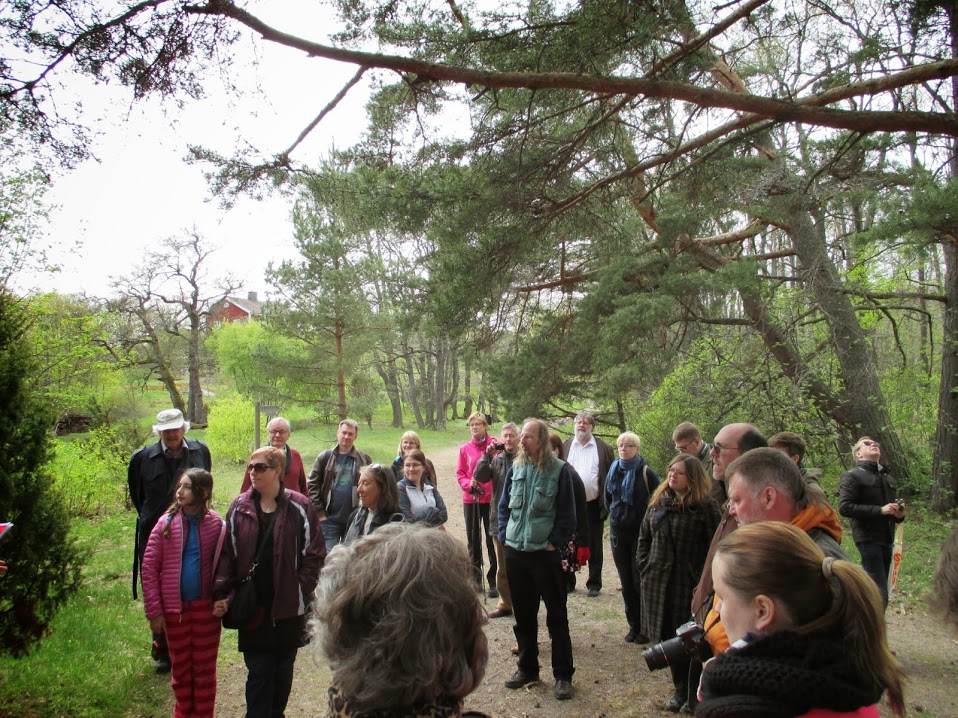
After the two joint presentations we were treated to an English-language guided walking tour of the island, on which we got to visit, for example, the island’s church which had a special section for those residents who had leprosy and thus were not allowed to sit with the other church goers back in the 18th century.

IMG_0419

In the afternoon, the two Fulbright scholars, one past and another present, Chris LaLonde (SUNY Oswego) and Casie Hermansson (Pittsburg State University, Kansas) had a discussion about the Fulbright experience as a member of both English departments in Turku. For both Casie and Chris, the Fulbright period far exceeded their expectations, an evidence of which is the fact that this was Chris’s fourth time back in Finland since his Fulbright year 1997-1998. Taking the time to discuss the Fulbright’s benefits perhaps also served as reinforcement for the two departments’ ongoing commitment to keep the scheme going. After all, the Fulbright scholar is a teacher to whom students stick, as remarked by Professor Emeritus of ÅA’s English Department, Roger Sell.

After the Fulbright discussion, Casie and family were gifted with Åboriginal t-shirts, followed by the ÅA faculty’s moving and laughter-inducing tribute to Professor Risto Hiltunen, who is about to retire. They likened Risto to the current James Bond, Daniel Craig, and reminded him about his skill in cultivating friendships the same way that he accidentally cultivated mold in an old coffee cup back in the eighties.

The day was concluded by sauna and dip in the cold sea, followed by sausage-grilling, refreshments, enjoying the beautiful sea view, and continued conversation about the day’s topics.

IMG_0442

The next morning, before leaving the island, we had a future-oriented workshop led by Risto, who reminded us about the twinship of the two departments, and encouraged the small groups to come up with practical suggestions about joint activities. The fruits this productive session will bear are to be seen, so both departments — including our students – will have lots to look forward to in the future!

Text: Elina Valovirta
Photos: Adam Borch

Pumpkins are smashing: Happy Halloween!

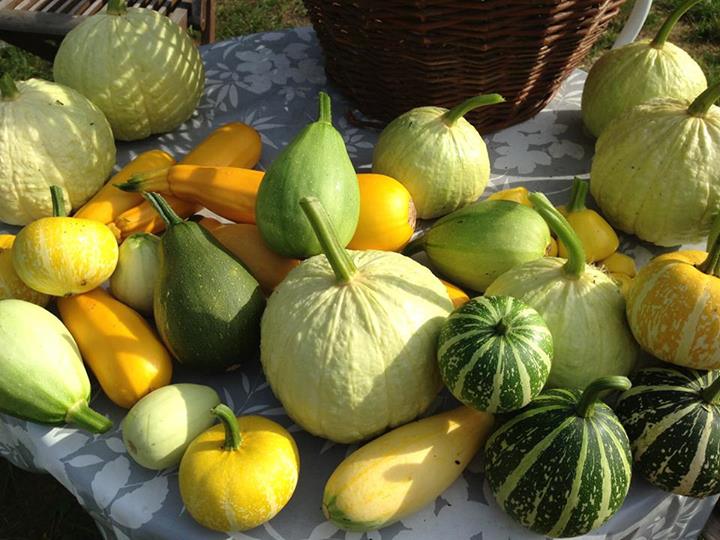
squash1Pumpkins or squash, most often those belonging to the cucurbita pepo family, are plentiful this time of year. From summer squash (also known as zucchini in the US and courgette in Britain) to ornamental gourds and giant pumpkins, they grow well in Finland and are a delight for children and English scholars alike.

Pumpkins and other cucurbits have a vast cultural history in art and literature. Just read Ralf Norrman & Jon Haarberg’s book-length study all the way from 1980 on cucurbits in literature and you’ll be astounded how ubiquitous they are. Shakespeare, Milton, Ancient Greeks, the comic Peanuts — basically everyone — makes reference to pumpkins, cucumbers and melons. And guess what? You’ll probably not be surprised to learn that they are very sexy vegetables, what with the cucumber’s phallic shape and melons reminding you of — you get the drift, and so did writers back in the day as well as today.

Pumpkins are also hilarious if you want to mock someone, for who wants to be a pumpkin-head? Pumpkins “are ridiculous in their own right”, the above pumpkin scholars note in their book. For example, Nixon’s opponents in the 1960s presidential elections had a field day with a newsreel from a decade before, where he demonstrated with a pumpkin how communists can hide their devices anywhere, even in an innocent pumpkin just sitting at your desk! This incident makes the writers wisely note, that “anyone with political ambitions should stay away from pumpkins”. As pumpkins are everywhere, this is a hard task indeed to accomplish.

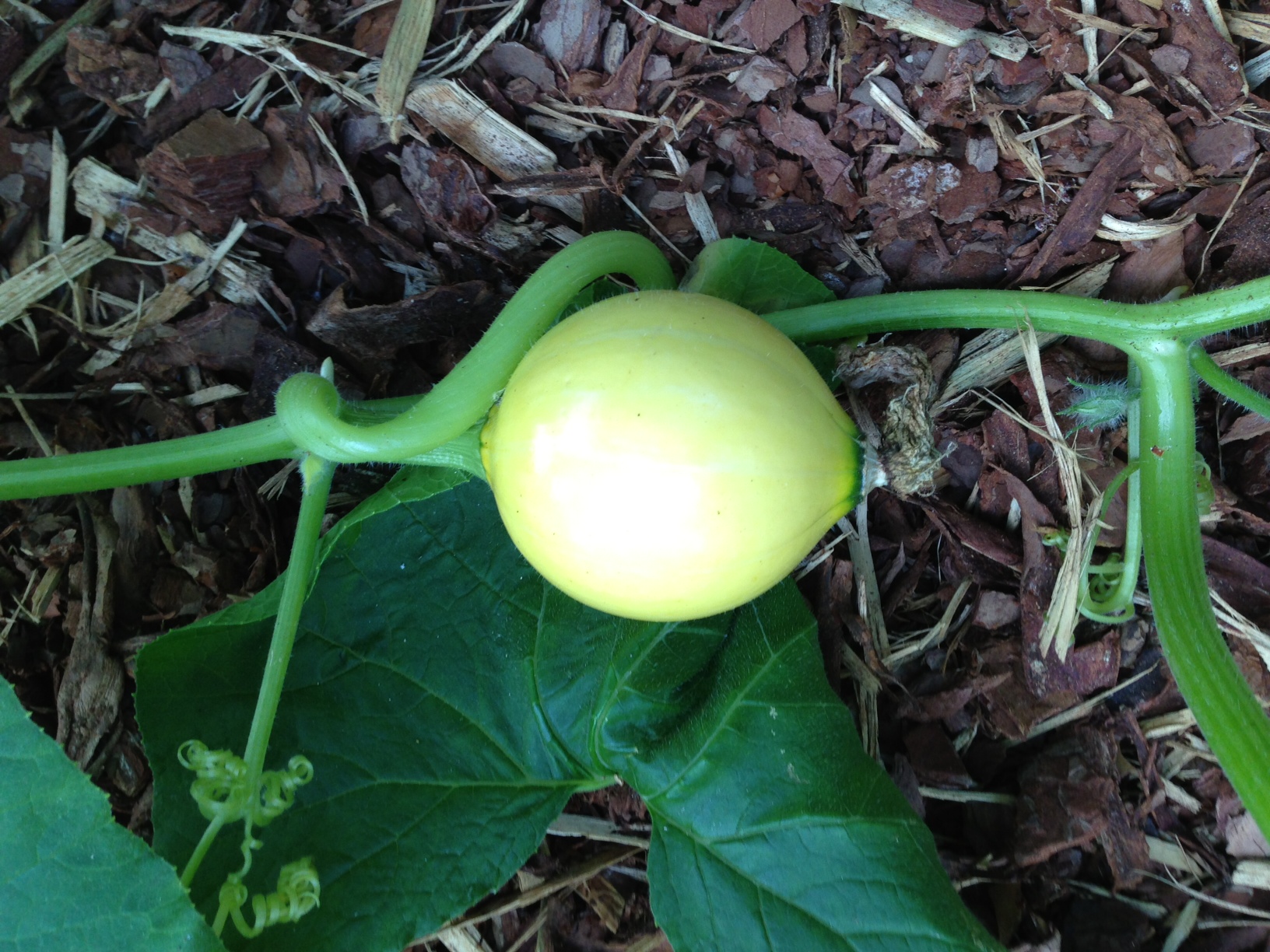
Not only are pumpkins fun as a literary theme, but they are also a lot of fun to grow as they go fairly fast from this:

squashbaby2


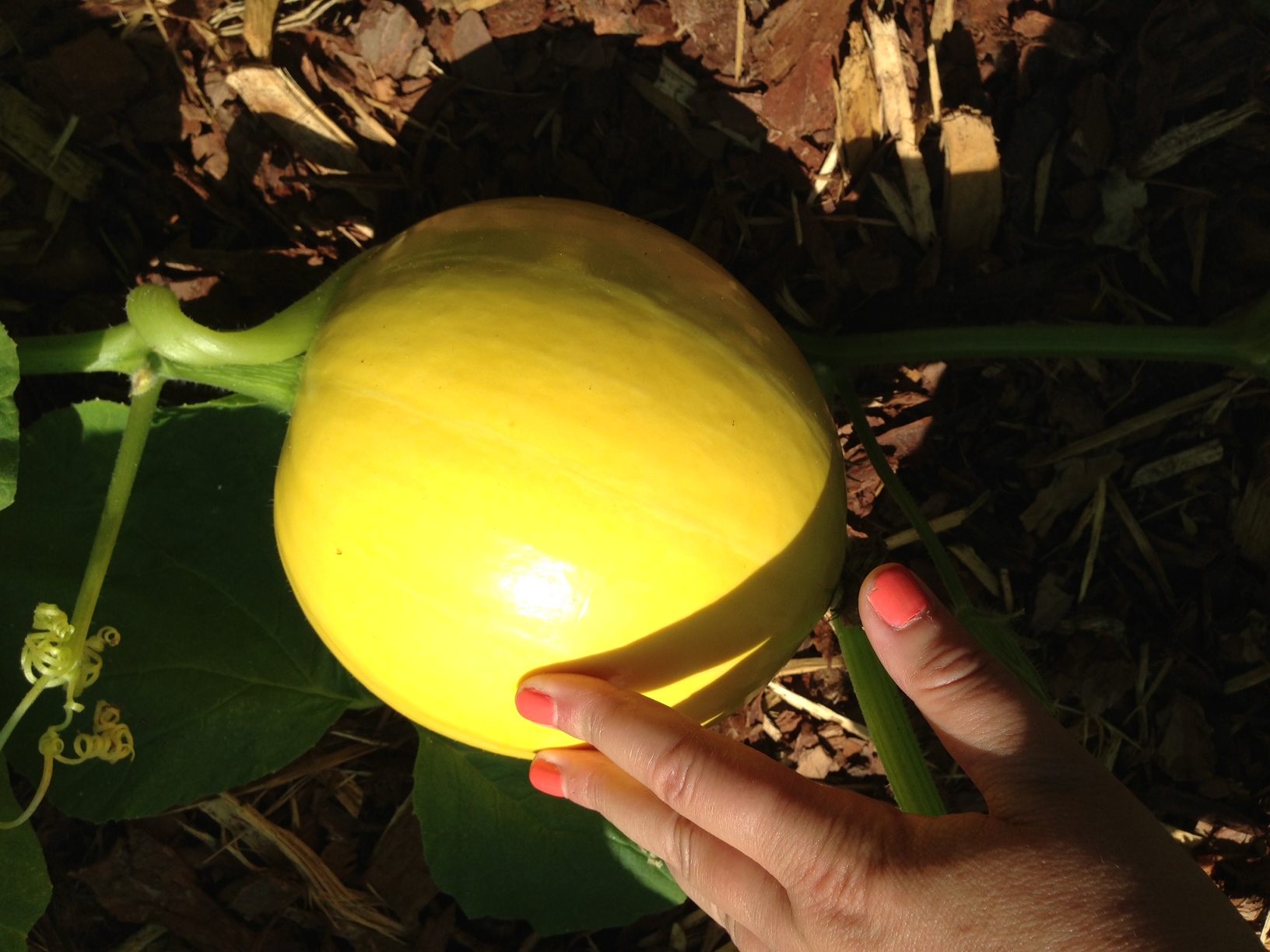
to this:

squashbaby

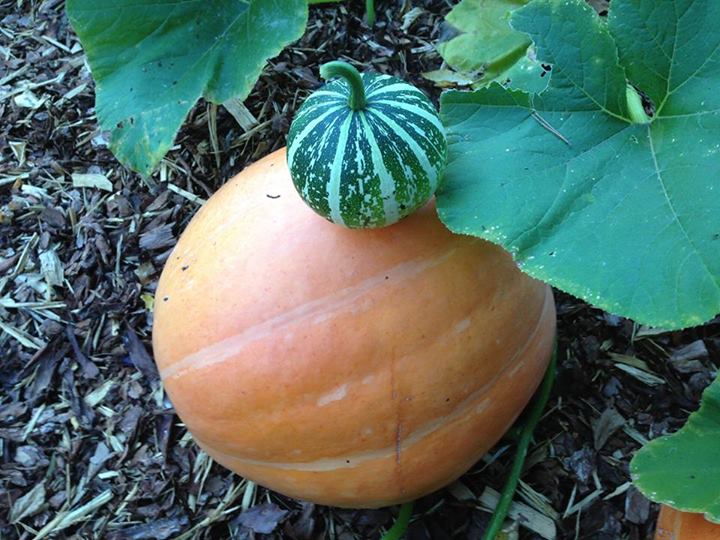
all the way to this and beyond:

squash2

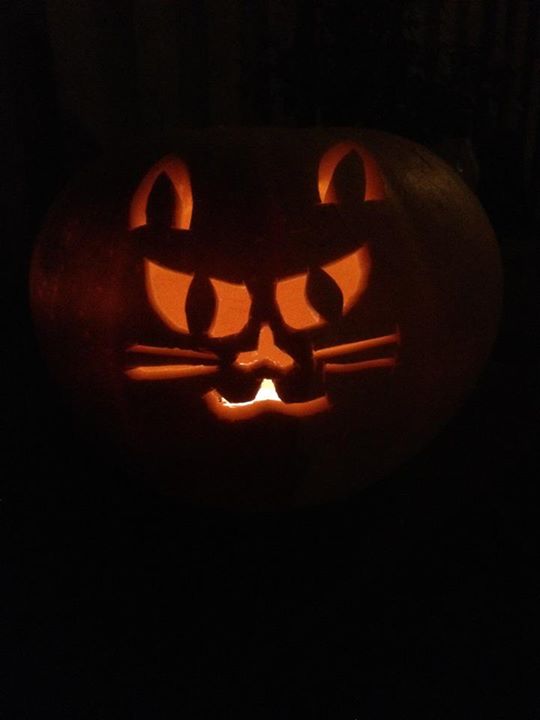
Jack O’Lantern is the classic American Halloween decoration. Just empty a pumpkin and carve a scary face on it. If you have smaller pumpkins, you can use a LED candle instead of a real one and you’ll be ready for the onset of kaamos, the winter darkness period gracing Finland from November til February. You might not have much light, but you’ll always have the funny, sexy, literary, and political careers-destroying pumpkin.

kitty1

Source: Norrman Ralf & Haarberg, Jon. 1980. Nature and Language. A Semiotic Study of Cucurbits in Literature. London: Routledge & Kegan Paul. p. 77

Photo credit: Elina Valovirta