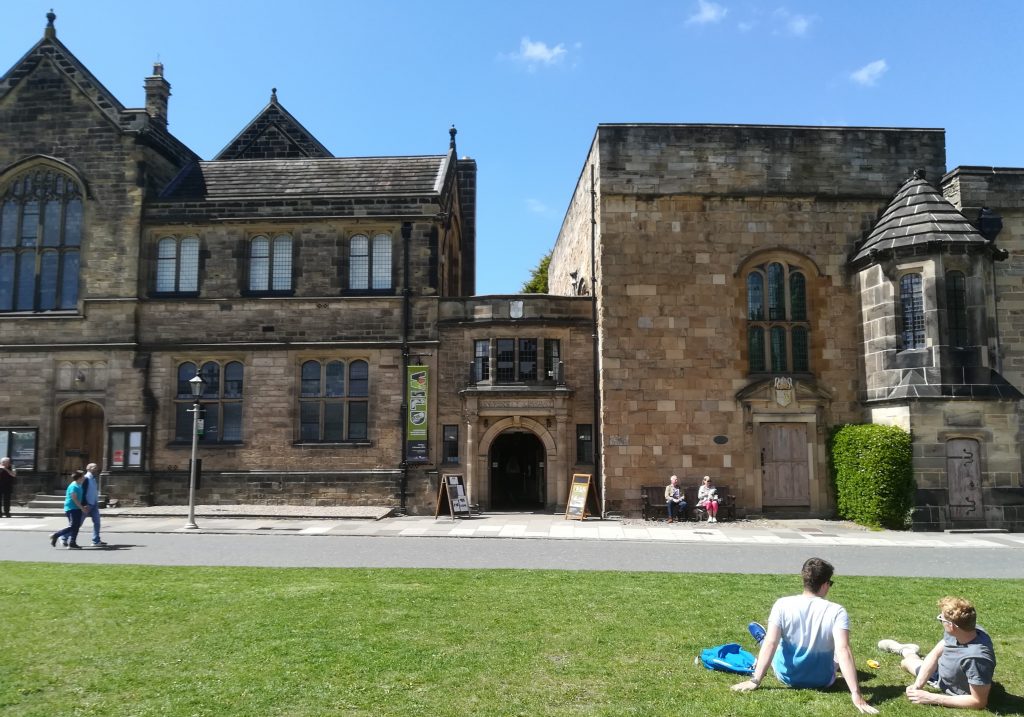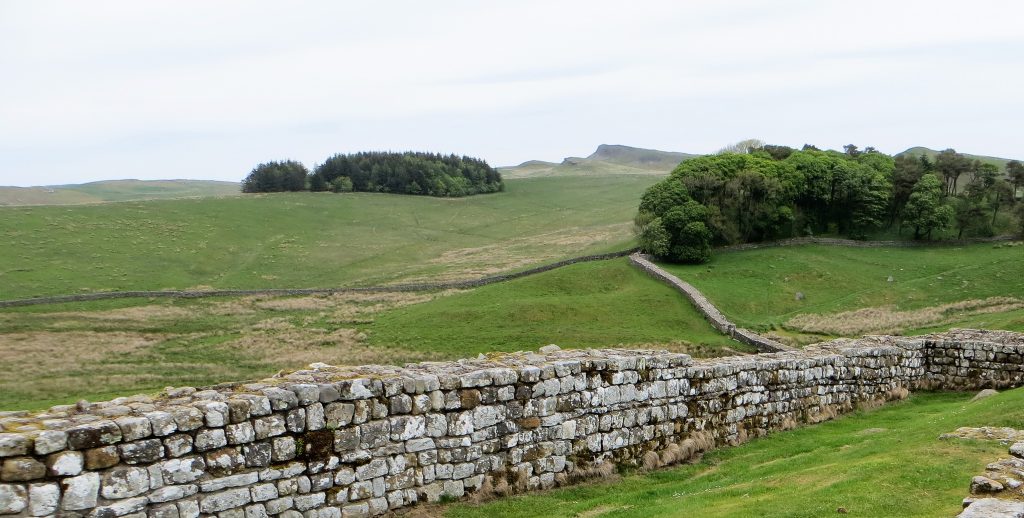
I had never been to a doctoral defence also known as a viva before, so I was immediately interested when I heard there was one taking place with our very own Aleksi Mäkilähde on the hot seat. Aleksi’s doctoral dissertation is called The Philological-Pragmatic Approach: A Study of Language Choice and Code-Switching in Early Modern English School Performances and as the title suggests, it examines code-switching in plays and poems by school boys at the King’s School, Canterbury, in 1665–1684. Eager to learn more about the subject, I decided to attend the viva, which took place 5 December 2019.
This being my first viva, I wasn’t quite sure how I should dress. The event soon starting at the Quantum Auditorium, I hastily did a few Google searches and found out that as an audience member, one is not expected to wear anything too fancy. I didn’t want to go under-dressed, so I took off my hoodie, put on a smart shirt and off I went. As I arrived at Quantum, I saw the candidate himself pacing around in the hall. I grabbed a copy of the thesis and sat at the back of the room. I looked at the people around me and judged my choice of clothes to be fitting.
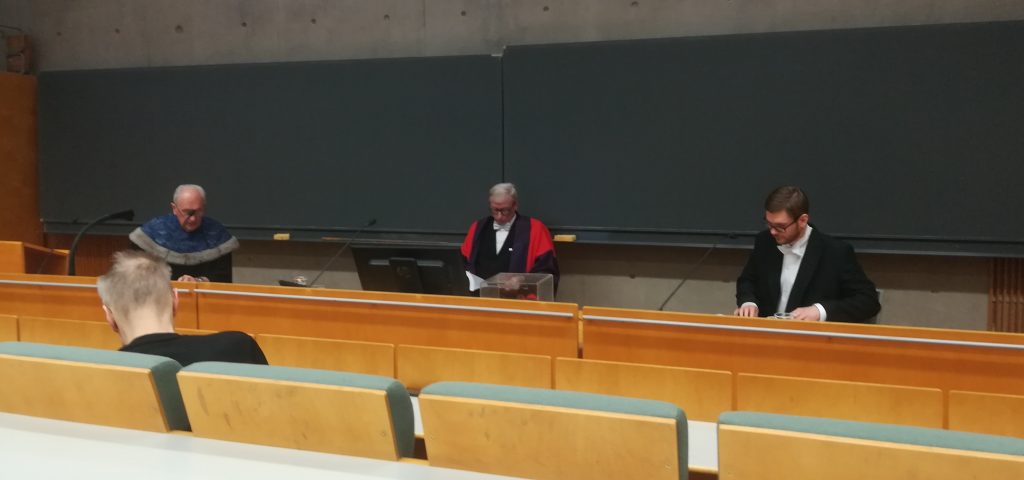
A few minutes passed. Suddenly everyone jumped up as the candidate walked in, followed by the custos, Professor Emeritus Risto Hiltunen, and the opponent, Professor Emeritus Herbert Schendl from the University of Vienna. The custos and the opponent were wearing colourful old-timey robes, which I assumed were customary, but later learned differ depending on the university.
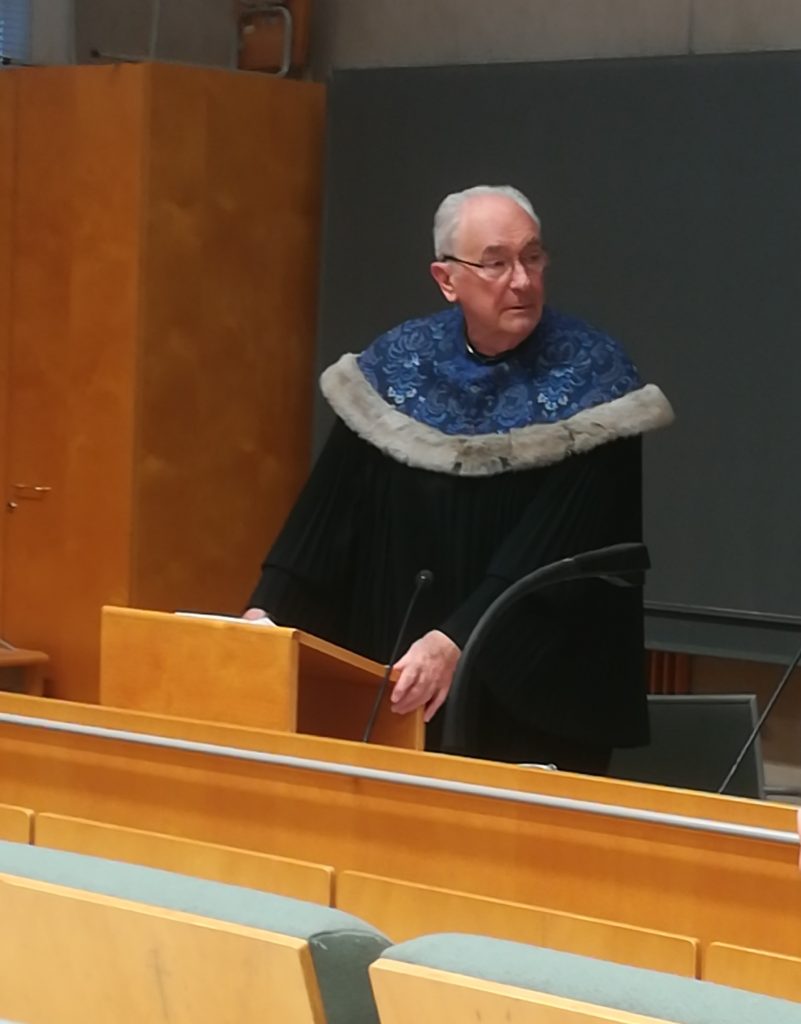
The custos spoke a few words, the candidate briefly presented his thesis in Finnish and then it was time for the opponent to ask his questions. The discussion was more informal and relaxed than I had anticipated. Some questions were more hard-hitting, but mostly it was a friendly discussion about the difference between a code-switch and a loanword, and what kind of consequences code-switching could have. I have to be honest; the discussion went quite deep into the nitty-gritty and at times, I had a hard time following. The highlight of the discussion was when Aleksi got up to the blackboard and drew something resembling a wedding cake to illustrate the complex nature of a play-within-a-play.
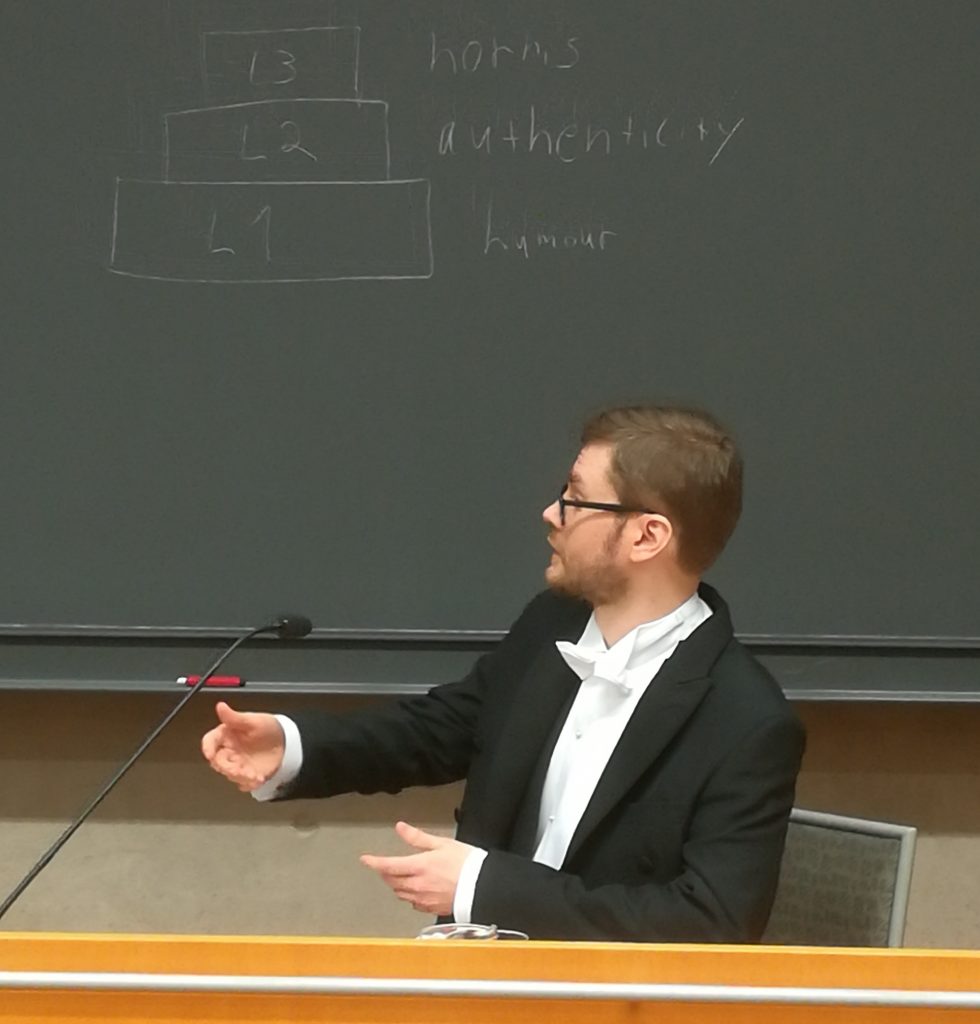
Some two hours after it began, the discussion ended, and the opponent gave his finishing statement. He commended the candidate’s hard work of developing a new philological-pragmatic approach and his detailed analysis of code-switching in the school plays. The custos, who had remained silent the whole time (which is customary) declared the viva to be over. Outside the auditorium, hands were shaken, gifts were given, and cake was had. To my disappointment, there was not a top hat nor sword in sight. I guess those were saved for later.
Gratulationes to Aleksi on his achievement and all the best in his future career!
Text by Otto Tarkka
Photos by Janne Skaffari