Greetings from Mousehole, Cornwall

Mousehole_harbour
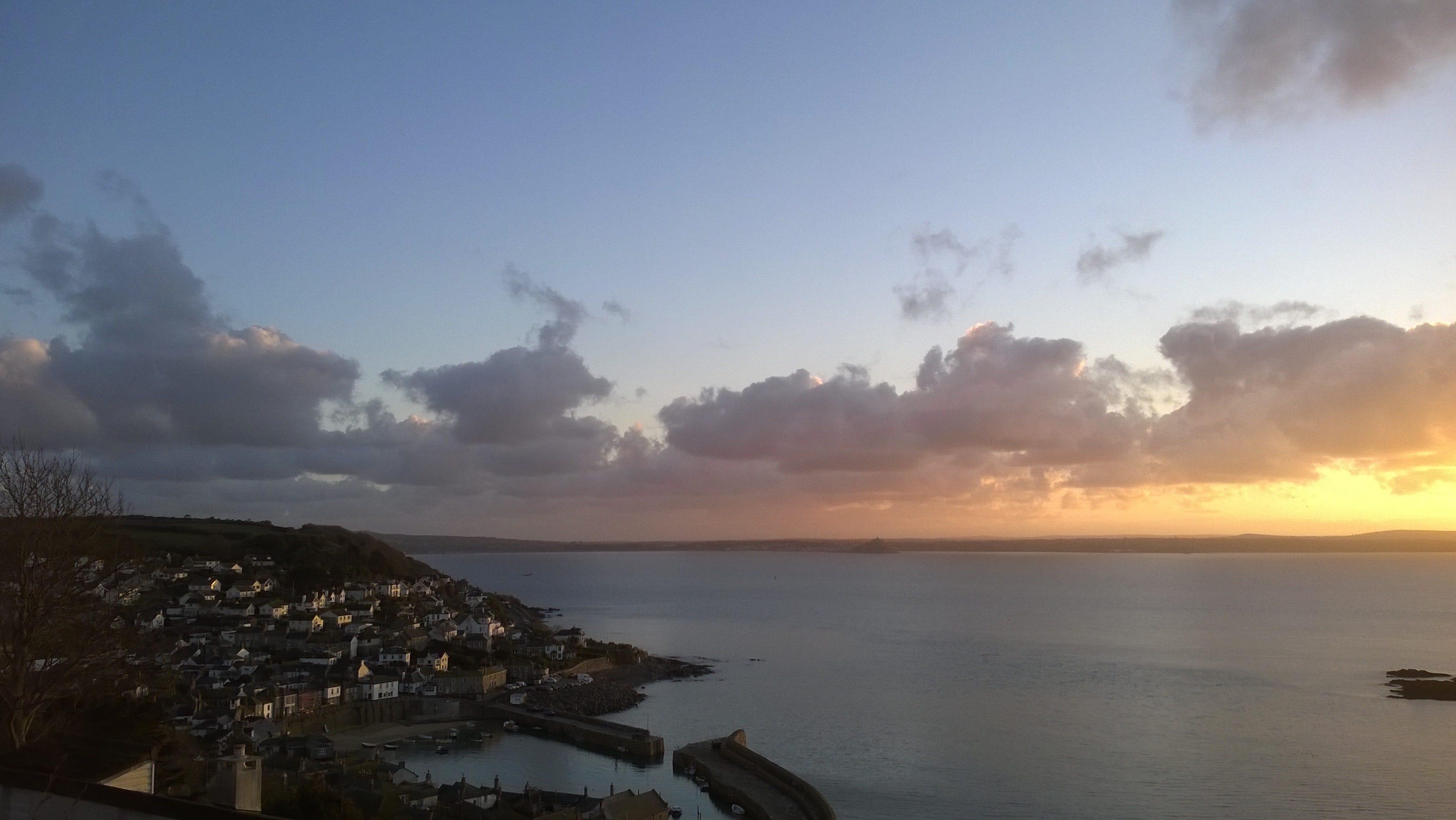
I am writing this piece after a night of gales and storm over England, Wales and Scotland. The small bedsit I am renting for a writing-cum-walking retreat gives out to the sea (there are seals, I’m told, but I have not managed to see them), which is now surprisingly still. The sun rises beautiful and serene, lighting the surface of the water.
office_rainyday
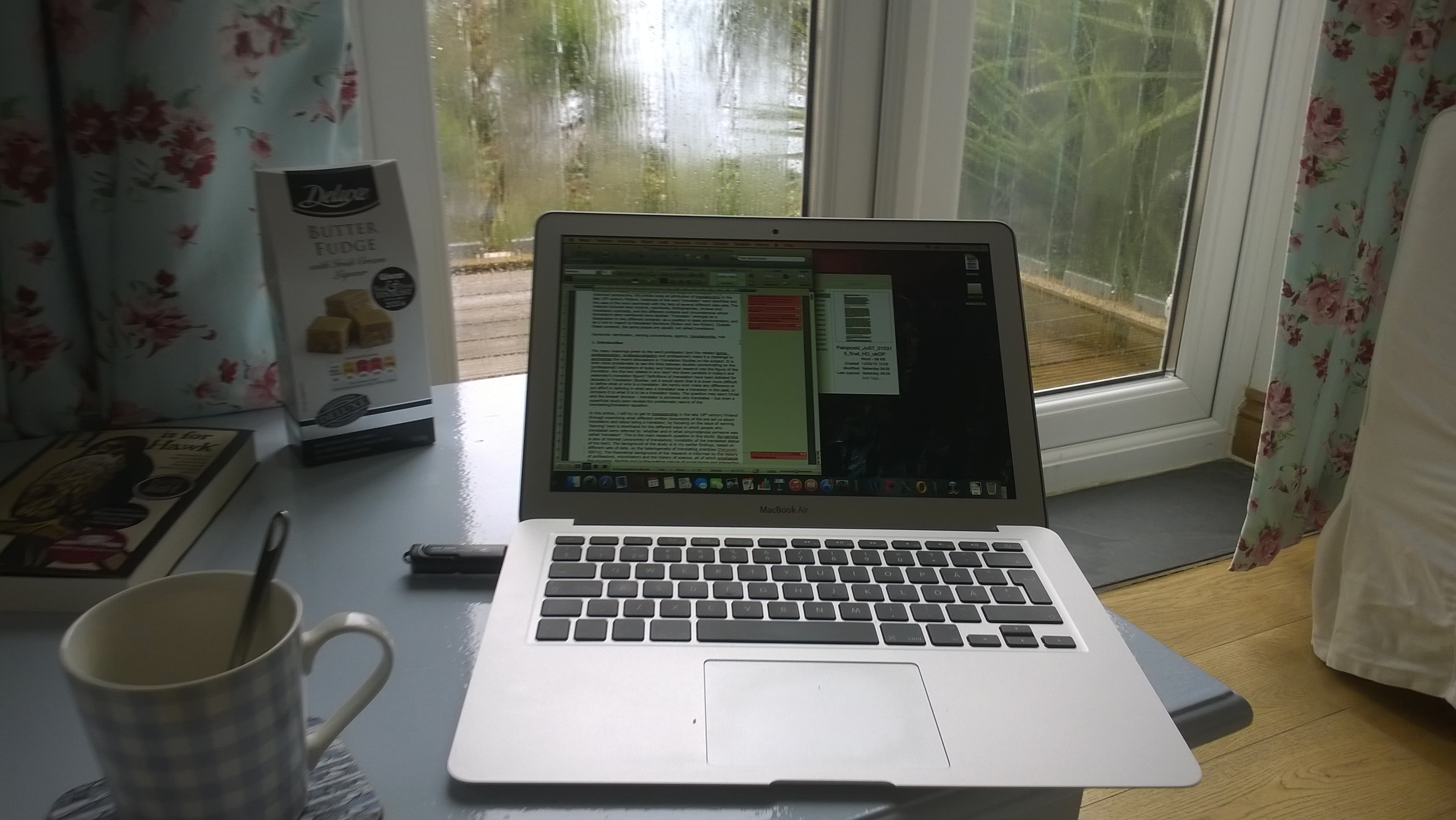
A change in the setting is almost always a good thing; especially if you do not need to worry about the routine tasks at home and are not tempted to start cleaning or washing to escape from writing. Obviously there are other temptations here: Cornwall is beautiful in the spring with its many daffodils. Did you know, by the way, that it was the building of the railway to Penzance in 1859 that made the daffodils from the Scilly Islands and Cornwall a major “export” to London? During the Second World War, though, land was needed for cultivation of food crops, and redundant bulbs were thrown into the hedges. This is why there is a large variety of different kinds of daffodils growing wild on cliff slopes and in woodland areas and hedges. This I learned from the Penlee House Art Gallery booklet accompanying a set of etchings of daffodils by Sally Corbet.
on_the_edge

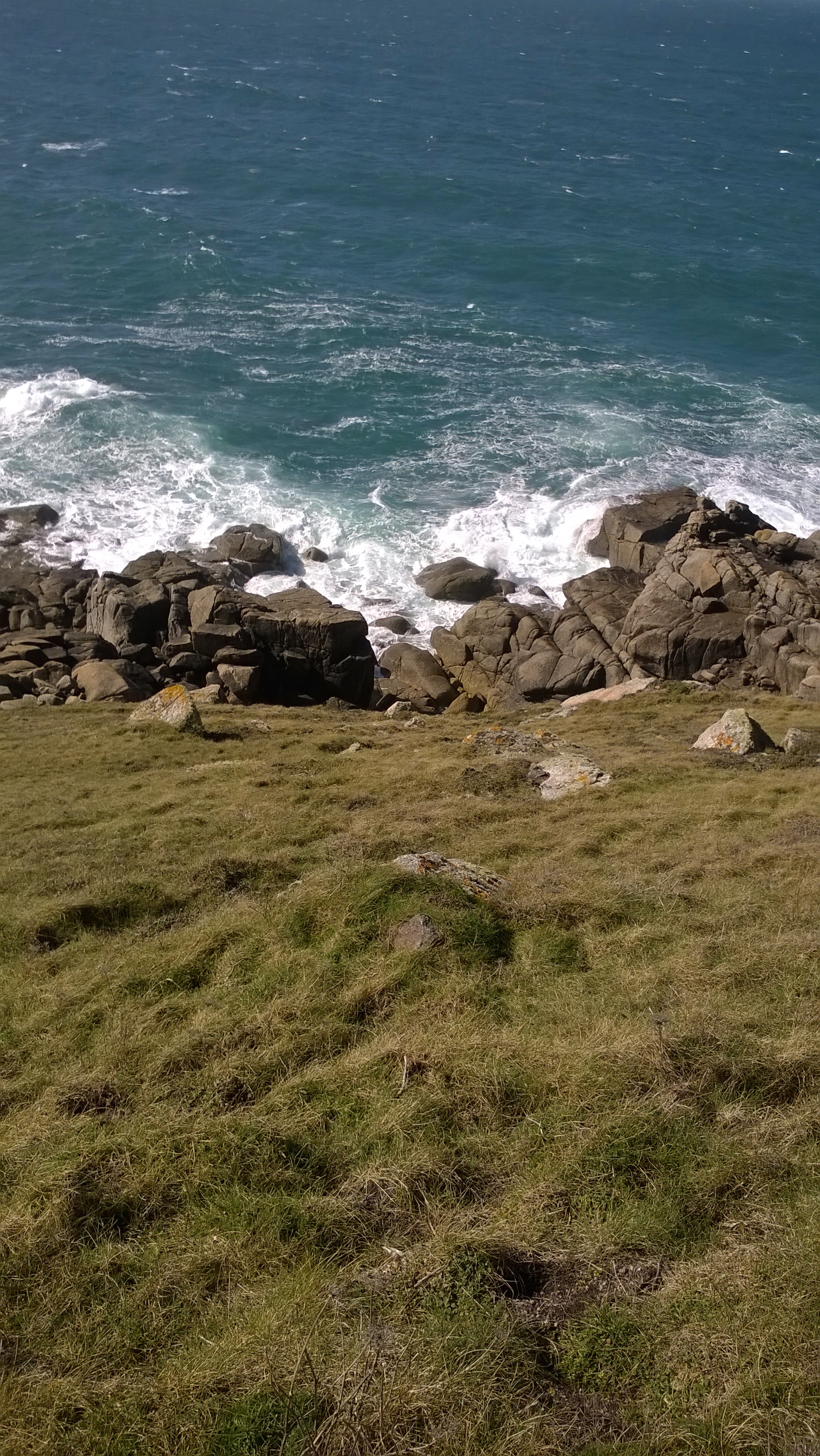
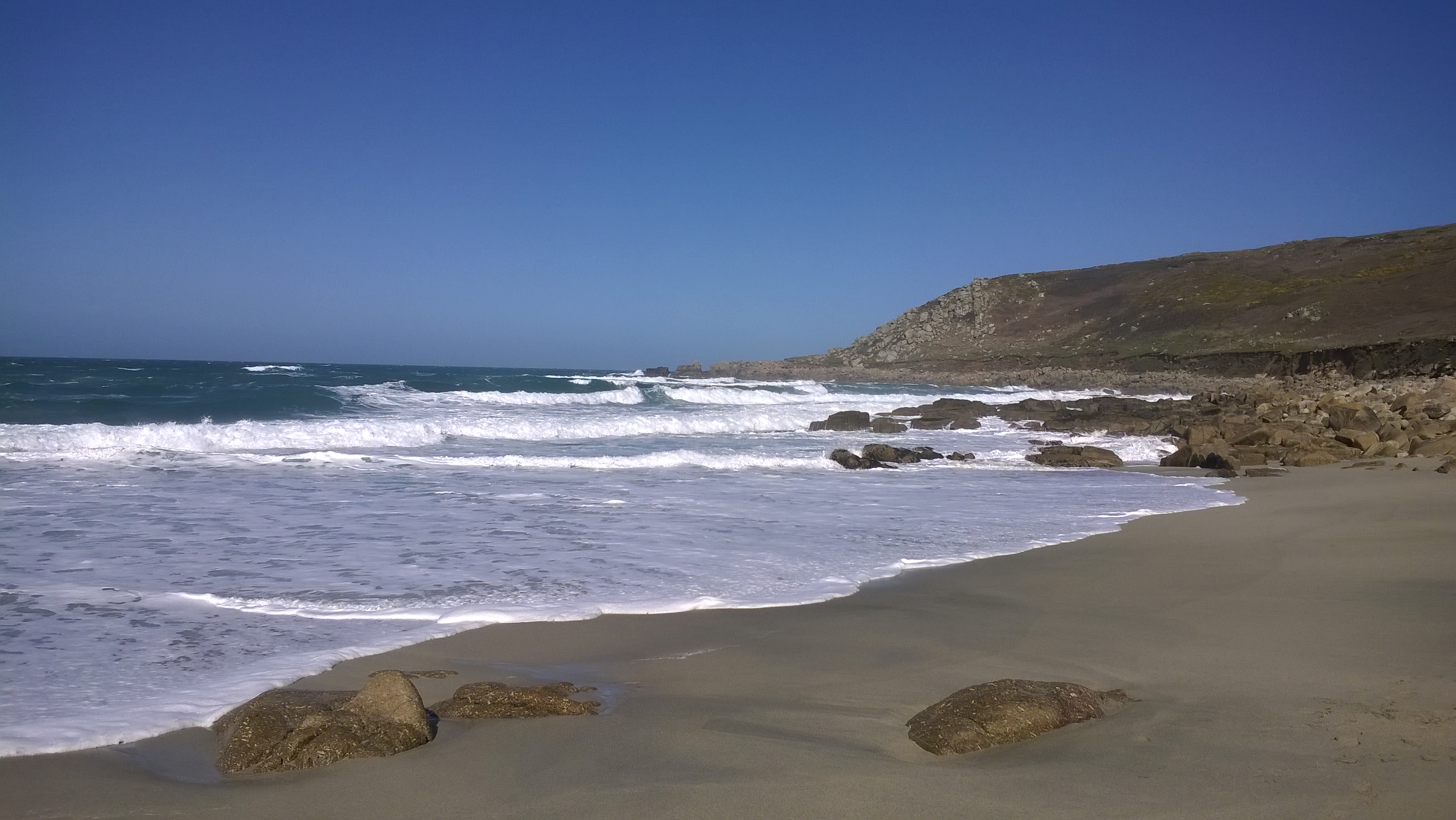
Apart from daffodils and their fascinating story, this tip of Cornwall has more history than what can possibly be digested during a short stay. Take the disused mines, old engine houses, eerie run-down towers and mine shafts in the middle of the heath and rugged cliff landscape. They all bear witness to Cornwall’s past mining industry. By the early nineteenth century, Cornwall was the world’s largest copper producer, but with copper being found in other parts of the world, the prices went down and tin mining came to replace copper. Historical sites in South-Western Cornwall also include the Porthcurno Telegraph Museum: this is where the first under-sea cable was laid between England and India in 1870. And you must not forget the arts: Cornwall is home to the Newlyn school from the 1880s and the St. Ives artist colony, whose famous resident included the Finnish painter, Helene Schjerfbeck.
sennen_cove

I am staying in the small but extremely pretty village of Mousehole, which has a number of cafés for me sit in if I tire of writing or walking. My favourite one is Hole Foods Deli, but I have had my best scones at 2 Fore Street – just a tip in case you ever visit this part of Cornwall. There are pleasant surprises in other villages as well – both in the way of food and drink AND in literary/photographic/artistic sense, like the Cook Book café in St. Just. Their website and newsletter have nice photos with inventive captions of the surrounding people, flora and fauna.
Walk_in_the_woods

To end with a rather triste, yet strangely consoling note: this morning I was moved to tears listening to the poet Clive James live on BBC on his life, impending death, and poetry. If you are interested, read this Guardian story.
Mousehole at sunrise

I believe these thoughts on life and death, resurrection and hope, as well as the beauty and regenerative powers of nature are quite appropriate for Easter week. I wish all of our students and staff a Happy Easter!

Text and photos by Professor Outi Paloposki
A Tale of Two Departments

IMG_0410

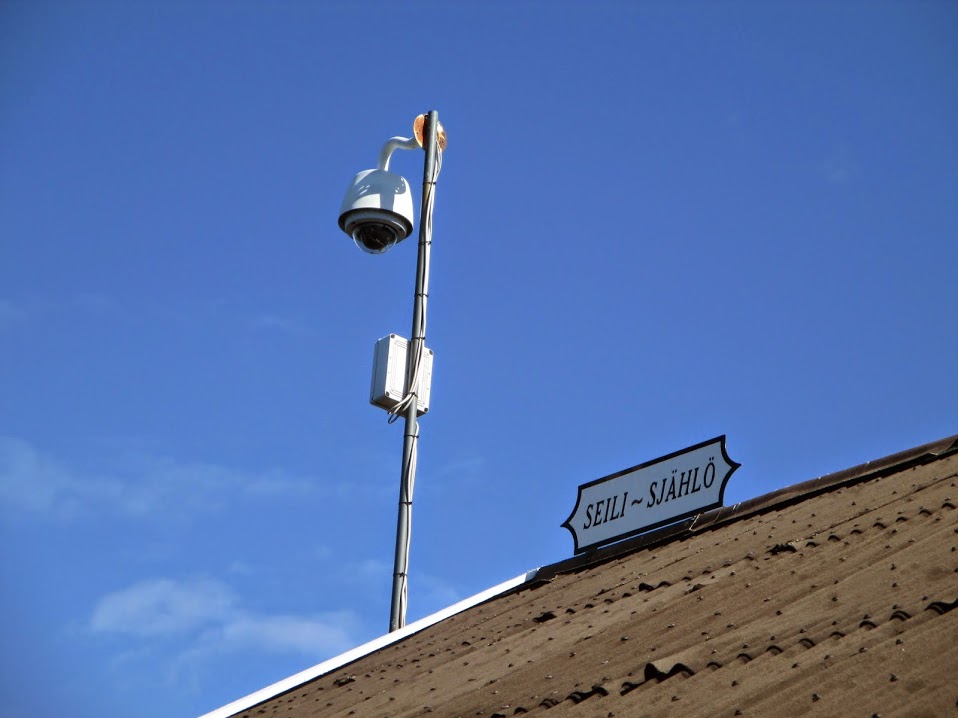
The two English Departments in Turku, Åbo Akademi and Turun Yliopisto, congregated, as has been the custom over the years, for a joint retreat, this time on the island of Seili in the Turku archipelago. Seili, of course, is the island historically (in)famous for its leper colony and later its mental institution. For the last 50 years, the Archipelago Research Institute has had its base on Seili.

IMG_0409

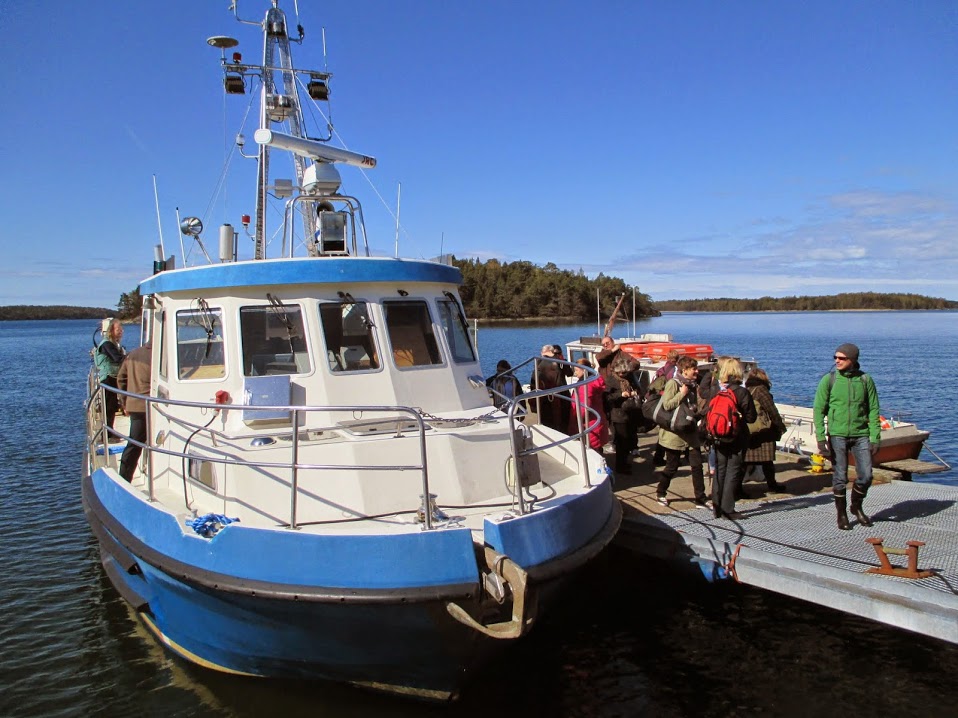
The retreat started from the River Aura, where the boat Aurelia picked us up on the two-hour sea voyage to Seili in sunny but cold spring weather. After settling in to our sleeping quarters and having lunch, it was time for official business. We started with a round of introductions, as despite a history of joint retreats, not everyone knew each other in advance. Informality characterises the retreats, and this one was no exception. Synergy cannot be achieved through official structures, but rather through interaction, spontaneity, and relaxed atmosphere. The retreats are ideal for that, as going away from your usual environment can foster new ideas.

Professor Anthony Johnson and PhD Candidate Aleksi Mäkilähde gave a presentation on their joint project on the Orationes, a collection of school plays from the late 17th century. Their excellent presentation was followed by Signe-Anita Lindgrén & Pekka Lintunen’s presentation on various learner corpora, as they chronicled the challenges involved in corpus-building, ranging from practical problems to comparability, but both also stressed that corpus-building is in fact lots of fun!

IMG_0439

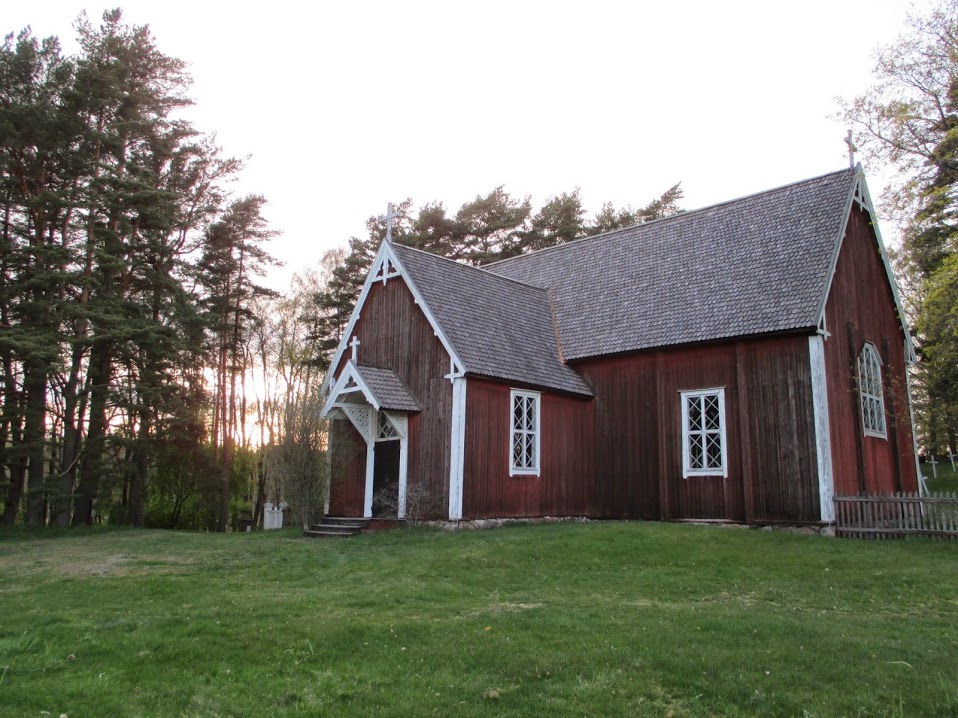
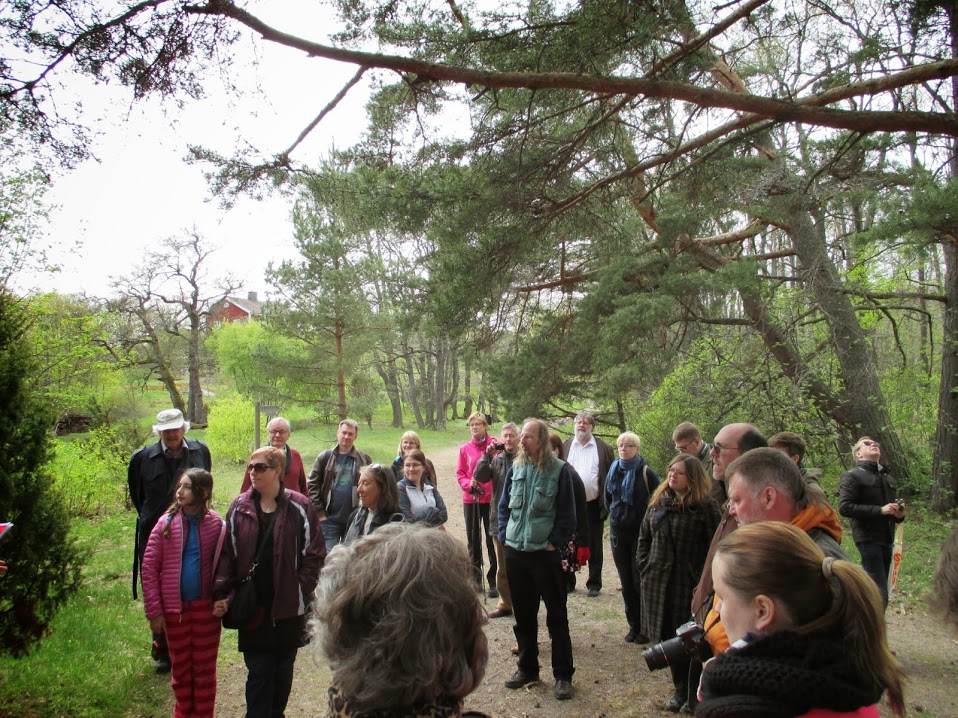
After the two joint presentations we were treated to an English-language guided walking tour of the island, on which we got to visit, for example, the island’s church which had a special section for those residents who had leprosy and thus were not allowed to sit with the other church goers back in the 18th century.

IMG_0419

In the afternoon, the two Fulbright scholars, one past and another present, Chris LaLonde (SUNY Oswego) and Casie Hermansson (Pittsburg State University, Kansas) had a discussion about the Fulbright experience as a member of both English departments in Turku. For both Casie and Chris, the Fulbright period far exceeded their expectations, an evidence of which is the fact that this was Chris’s fourth time back in Finland since his Fulbright year 1997-1998. Taking the time to discuss the Fulbright’s benefits perhaps also served as reinforcement for the two departments’ ongoing commitment to keep the scheme going. After all, the Fulbright scholar is a teacher to whom students stick, as remarked by Professor Emeritus of ÅA’s English Department, Roger Sell.

After the Fulbright discussion, Casie and family were gifted with Åboriginal t-shirts, followed by the ÅA faculty’s moving and laughter-inducing tribute to Professor Risto Hiltunen, who is about to retire. They likened Risto to the current James Bond, Daniel Craig, and reminded him about his skill in cultivating friendships the same way that he accidentally cultivated mold in an old coffee cup back in the eighties.

The day was concluded by sauna and dip in the cold sea, followed by sausage-grilling, refreshments, enjoying the beautiful sea view, and continued conversation about the day’s topics.

IMG_0442

The next morning, before leaving the island, we had a future-oriented workshop led by Risto, who reminded us about the twinship of the two departments, and encouraged the small groups to come up with practical suggestions about joint activities. The fruits this productive session will bear are to be seen, so both departments — including our students – will have lots to look forward to in the future!

Text: Elina Valovirta
Photos: Adam Borch