
A year of remote learning – and cats

What a year it has been! This could easily be a long blog post about the effects of the pandemic on teaching and learning and what pedagogical solutions have been implemented and experimented with at the department, but today we have more important things to discuss. We need to talk about cats.

This year has been extremely active for all our cat students and cat faculty members. They seem to thrive particularly in Zoom environments and have throughout the year been a mainstay for remote learners and teachers. Let’s hear from notable cat members of the English department community – and one dog. Email interviews have been facilitated by each cat’s staff.

Kiki via Vilma Lindroos:

Due to remote learning this year, I have seized the opportunity to constantly remind Vilma that the most important thing in her life are not her studies, but me. She reports that my ears perk up at the slightest sound of conversation, ready to disrupt yet another lecture that dares to take her attention from me even for a minute. Petting me in her lap does serve her as a great stress relief when she is tackling a particularly intimidating task, so I always win.
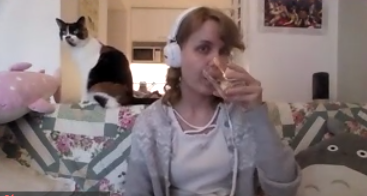
Behold as I conquer, says Kiki.

Alma, Hilja, Lohtu and Kulju via Elina Valovirta:

Elina works from an old renovated outbuilding at our country home. We use it as our Signum’s Kaffila or Rosetta’s coffee room. Whenever Elina heads to the outbuilding to work, we follow, eager to not help. A collective napping session might ensue; Alma the opera singer might decide to belt out an aria, or Hilja and Kulju decide a wrestling match is in order right in the middle of Elina’s lecture. Lohtu begs for treats on the work desk. We have done our very best in not helping at all, and what’s not to love about that?
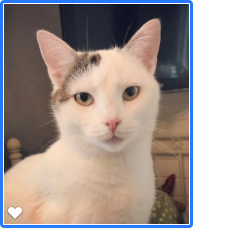
I can haz treat?
I can haz treat? Says Lohtu.

Elo and Fox via Minna Hjort

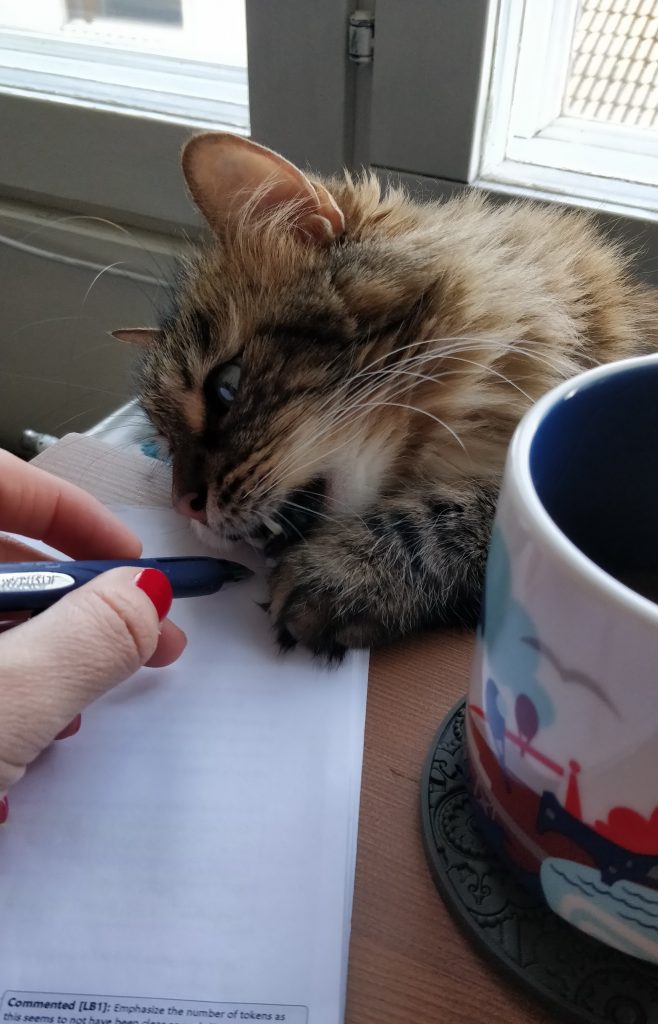
Fox has been an active co-teacher throughout the pandemic. He has not been afraid to speak his mind about a variety of topics, including the shocking fact that the department offers no classes on dog-human translation. Elo, the cat that she is, has been less interested. Although once she did find it necessary to position her butt right in front of the camera in the middle of a lesson. Occasionally she also assumes the role of reviewer 3 (see picture) and engages in document disposal management (shredding papers).
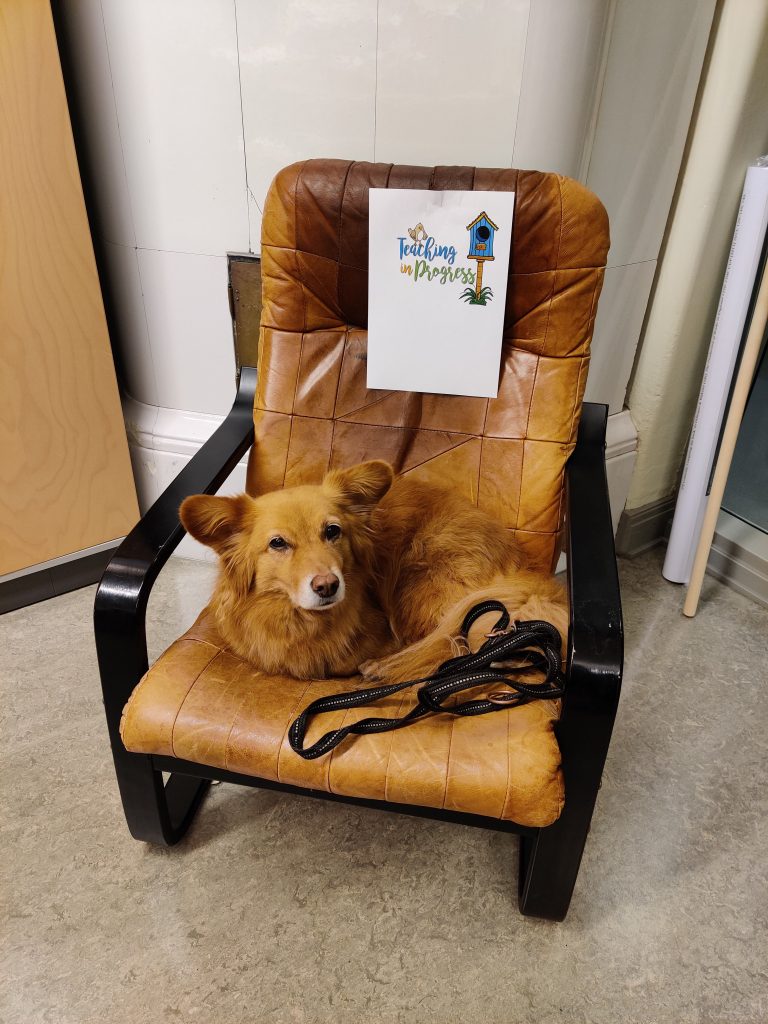
Teaching in progress. Don’t disturb me, says Fox.
I am destroyer of all papers.

Finally, Pirkka Hallamaa, has found a way to look his best on camera: his photogenic cat provides the ultimate Zoom accessory: the cat filter.
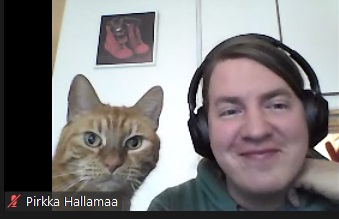
Don’t hate me because I am beautiful.

Text by Elina Valovirta

Photos by staff and screen grab.
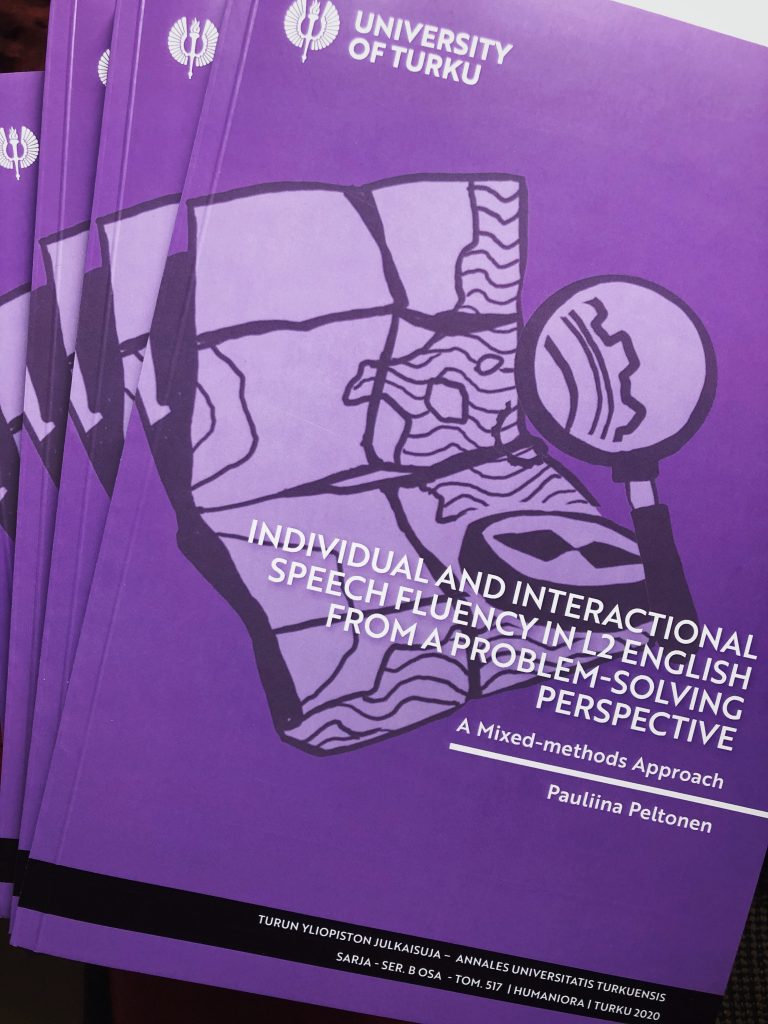
Two days to go: Upcoming defense on second language speech fluency

Doctoral candidate Pauliina Peltonen will defend her PhD dissertation entitled Individual and Interactional Speech Fluency in L2 English from a Problem-solving Perspective: A Mixed-methods Approach this week on September 11th, 2020. The audience will be able to follow the defense online via Zoom. Professor Judit Kormos from Lancaster University will be the opponent and Dr Pekka Lintunen will act as custos.

A doctoral defense is the final part of postgraduate studies: it is the end of one process, but also the beginning of another phase, postdoctoral studies. Defending your PhD is both exciting and nerve-wracking. You finally have the chance to talk about your research and what you have been working on for years. However, the opponent asks the questions, and the task is to react to those questions in the best way possible. Custos is the chair of the public examination of a dissertation and often the supervisor of the doctoral candidate. Normally the custos has to do three things: say one sentence to start the examination, another one to end it, and most importantly, sit quietly but stay awake during the examination—not always an easy task!

Pauliina’s dissertation addresses a central aspect of second language (L2) proficiency and speaking skills: fluency. In the dissertation, she examines L2 speech fluency and learners’ resources for maintaining it based on monologue and dialogue speech samples. Fluency is analyzed with a variety of traditional temporal measures (e.g., speech rate and silent pauses), but also from the perspective of so-called fluency resources that can help to maintain speech fluency (e.g., filled pauses, such as uh/um, and repetitions).

The findings show that L2 speech fluency is a multifaceted phenomenon. Fluency should be studied with a combination of quantitative and qualitative methods: the mixed-methods approach provides a more comprehensive picture of fluency than either approach alone. The study also shows that fluency can be viewed as a collaborative phenomenon, while traditionally, fluency has mostly been examined from an individual’s perspective based on monologue data. The study demonstrated that in interaction, learners maintain the flow of speech collaboratively across turns, for instance, by minimizing pause time.

The study provides new insights into L2 speech fluency—a topic that has become a key area of study in the Department of English in recent years. We also collaborate with other fluency researchers in the School of Languages and Translation Studies. Two fluency research projects have been launched just this autumn in the department: Fluency across Multilingual Speakers (MultiFluency; funded by the Swedish Cultural Foundation in Finland 2020–2021) and Fluency and Disfluency Features in L2 Speech (FDF2, funded by the Academy of Finland 2020–2024), both led by Dr Pekka Lintunen. So when one phase is soon over for Pauliina, the next phase will begin in these research projects. We are looking forward to continuing our collaboration and gaining more insights into L2 speech fluency in the near future!

Zoom link for the defense on Friday: https://utu.zoom.us/j/61267813839

Text by Pauliina Peltonen and Pekka Lintunen

Photo by Pauliina Peltonen