Networking and applying linguistics

afinla-e
The Finnish Association of Applied Linguistics (AFinLA) organizes an annual autumn symposium. The symposium is this year organized by the School of Languages and Translation Studies at the University of Turku. We expect to have more than 100 participants listening to plenaries, presentations and workshops on applied linguistic topics.

The association is an important networking tool for anyone interested in applied linguistics. In addition to the symposium, AFinLA awards the annual Afinlandia prize for an excellent MA thesis within applied linguistics in Finland. Every three years an award is also given to an excellent PhD thesis.

To build networks between researchers interested in similar areas AFinLA has special interest groups (SIGs). At present, there are 5: Language Policies, Discourse Studies, Dialogic and Sociocultural Language Research, Assessment, and Teaching and Learning in a Foreign or Second Language. By becoming a member of AFinLA, you can also join the SIGs.

The membership fee in 2013 is 24 € (only 16 € for students!) – and if you pay only 10 € more, you also receive the AFinLA yearbook, which is published every autumn. It includes peer-reviewed articles of the top studies presented at the symposium. The yearbooks are a good way to see what is going on within applied linguistics in Finland. AFinla also has an electronic publication series AFinLA-e that also includes peer-reviewed papers that may not be directly related to the theme of the autumn symposium.

This year’s theme is Language Users of Tomorrow. This follows nicely from the earlier theme Language Learners of Today that was used when the symposium was last held in Turku. This also reflects linguistic thinking; we now are more and more interested in the future: What does language proficiency consist of in the future? What is the effect of digital environments? How does language use change in workplaces? Population is ageing, what are the effects on languages in society? Come and see!
Pekka Lintunen
Afinla-banner

Gradutalkoot Oct 18, 2013

Hackathon (from hack+marathon) is an event in which software developers collaborate on new projects for a set period of time. A hackathon usually starts with a presentation on the theme of the event. Then, teams are formed and work on the software projects is started. At the end of the event, results are presented.

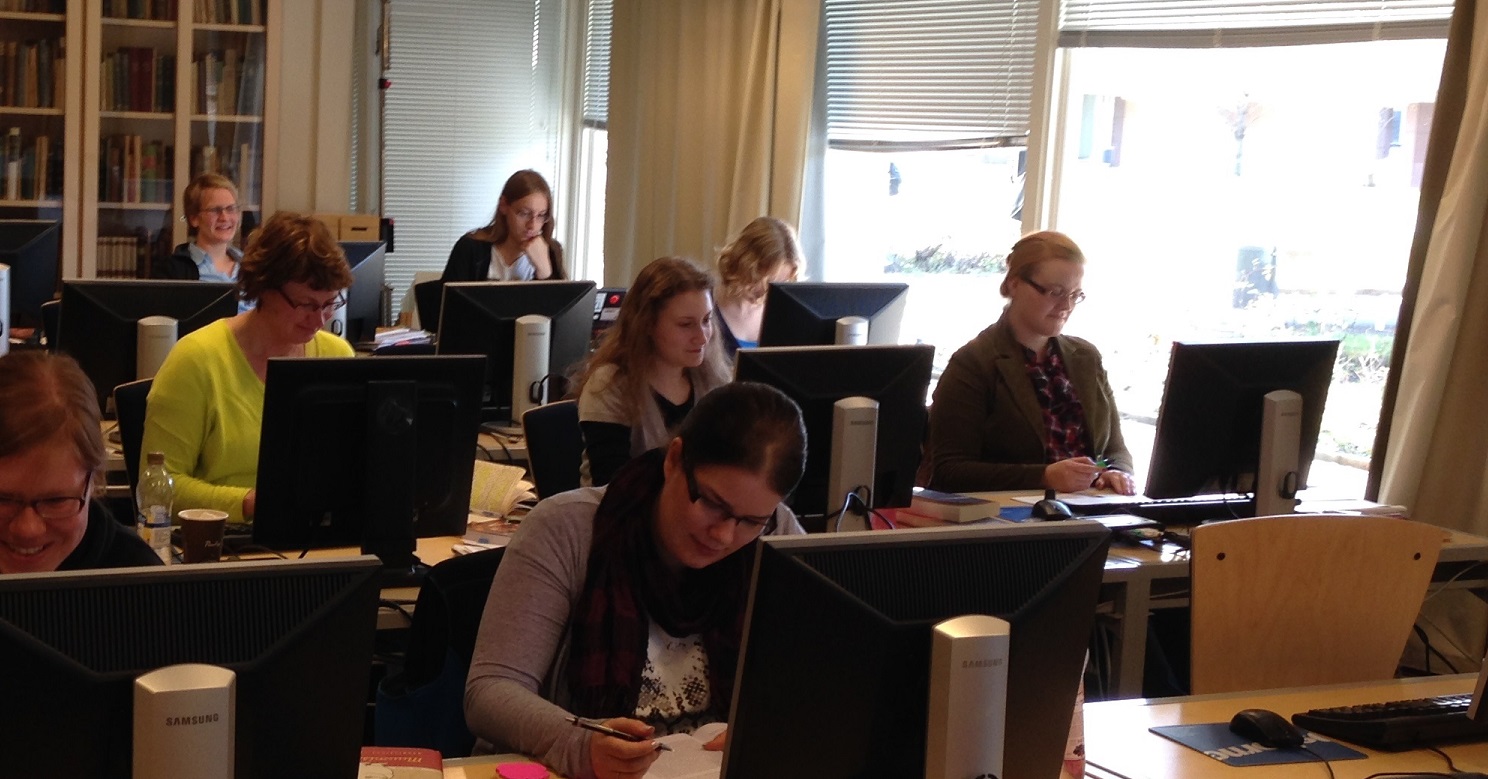
Inspired by the hackathons organized in the IT world, our department organized an MA thesis writing day, ‘Gradutalkoot’. The idea of this event was to give our thesis writers an opportunity to work on their thesis in an organized and goal-oriented manner. The event was coordinated by Elina Valovirta and Mari-Liisa Varila from the Department of English; Outi Paloposki and Ira Hansen from the Department also participated in the event.
The staff members and 11 thesis writers (from different Tracks) met on Friday 18 October at the Paasikivi room of the Main Library.

We began by setting individual goals for the day – for example, how many pages each participant would write. Passages from Neil Gaiman’s pep talk for NaNoWriMo writers were read aloud for inspiration. Leena Järveläinen from the University Library helped us with information retrieval issues; she also briefly introduced the new ResearchGuides service of the University Library. This service groups together various search tools and databases available via our library; we recommend taking a look!

We made good progress during the morning and did a brief round of situation reports before heading out to Assarin Ullakko for lunch. After lunch, the writing work continued in good spirits. We had a short coffee break — sponsored by the Department — in the afternoon to keep everybody awake and busy. We ended the successful working day with a debriefing session, where we assessed how we managed to reach the goals we set for ourselves and discussed the next stages of our projects.

Everyone felt that the event was successful; the next Gradutalkoot will be organised on 5 December, 9-14. Another event to look out for is the Thesis Symposium, where MA thesis writers from different Tracks and in different stages of their projects discuss their work. The first Thesis Symposium was held in Spring 2013, and we hope to organize the second one in Spring 2014. More information will be available later!
Mari-Liisa Varila

thesisday
Happy thesis writers hard at work.

Pumpkins are smashing: Happy Halloween!

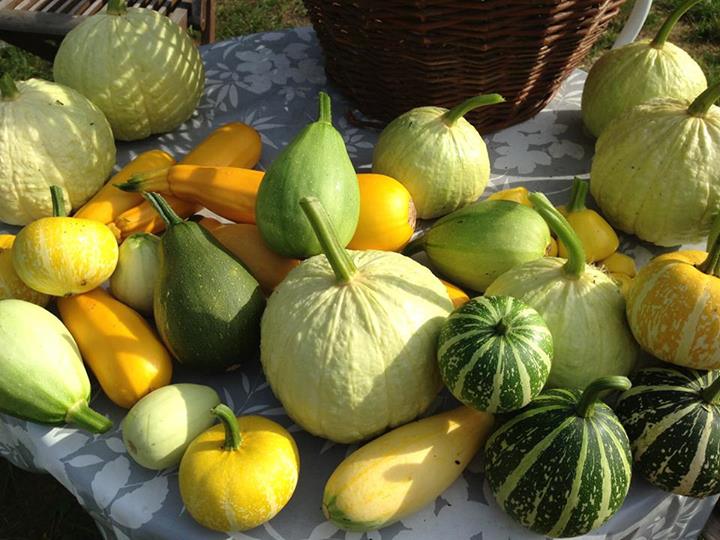
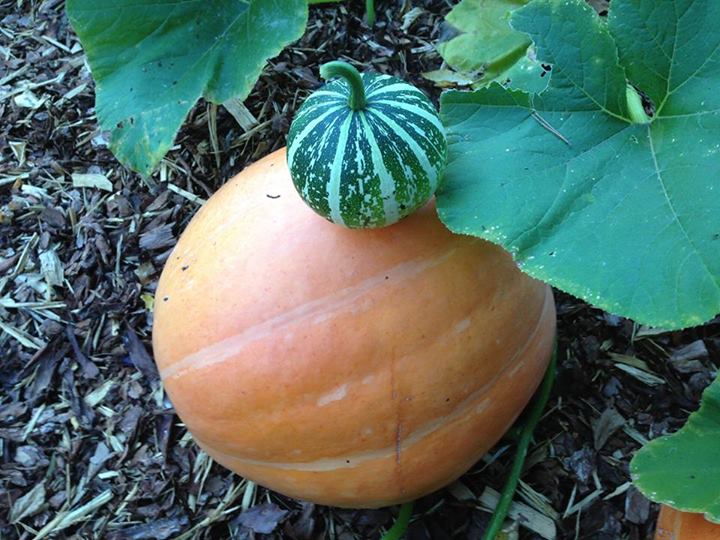
squash1Pumpkins or squash, most often those belonging to the cucurbita pepo family, are plentiful this time of year. From summer squash (also known as zucchini in the US and courgette in Britain) to ornamental gourds and giant pumpkins, they grow well in Finland and are a delight for children and English scholars alike.

Pumpkins and other cucurbits have a vast cultural history in art and literature. Just read Ralf Norrman & Jon Haarberg’s book-length study all the way from 1980 on cucurbits in literature and you’ll be astounded how ubiquitous they are. Shakespeare, Milton, Ancient Greeks, the comic Peanuts — basically everyone — makes reference to pumpkins, cucumbers and melons. And guess what? You’ll probably not be surprised to learn that they are very sexy vegetables, what with the cucumber’s phallic shape and melons reminding you of — you get the drift, and so did writers back in the day as well as today.

Pumpkins are also hilarious if you want to mock someone, for who wants to be a pumpkin-head? Pumpkins “are ridiculous in their own right”, the above pumpkin scholars note in their book. For example, Nixon’s opponents in the 1960s presidential elections had a field day with a newsreel from a decade before, where he demonstrated with a pumpkin how communists can hide their devices anywhere, even in an innocent pumpkin just sitting at your desk! This incident makes the writers wisely note, that “anyone with political ambitions should stay away from pumpkins”. As pumpkins are everywhere, this is a hard task indeed to accomplish.

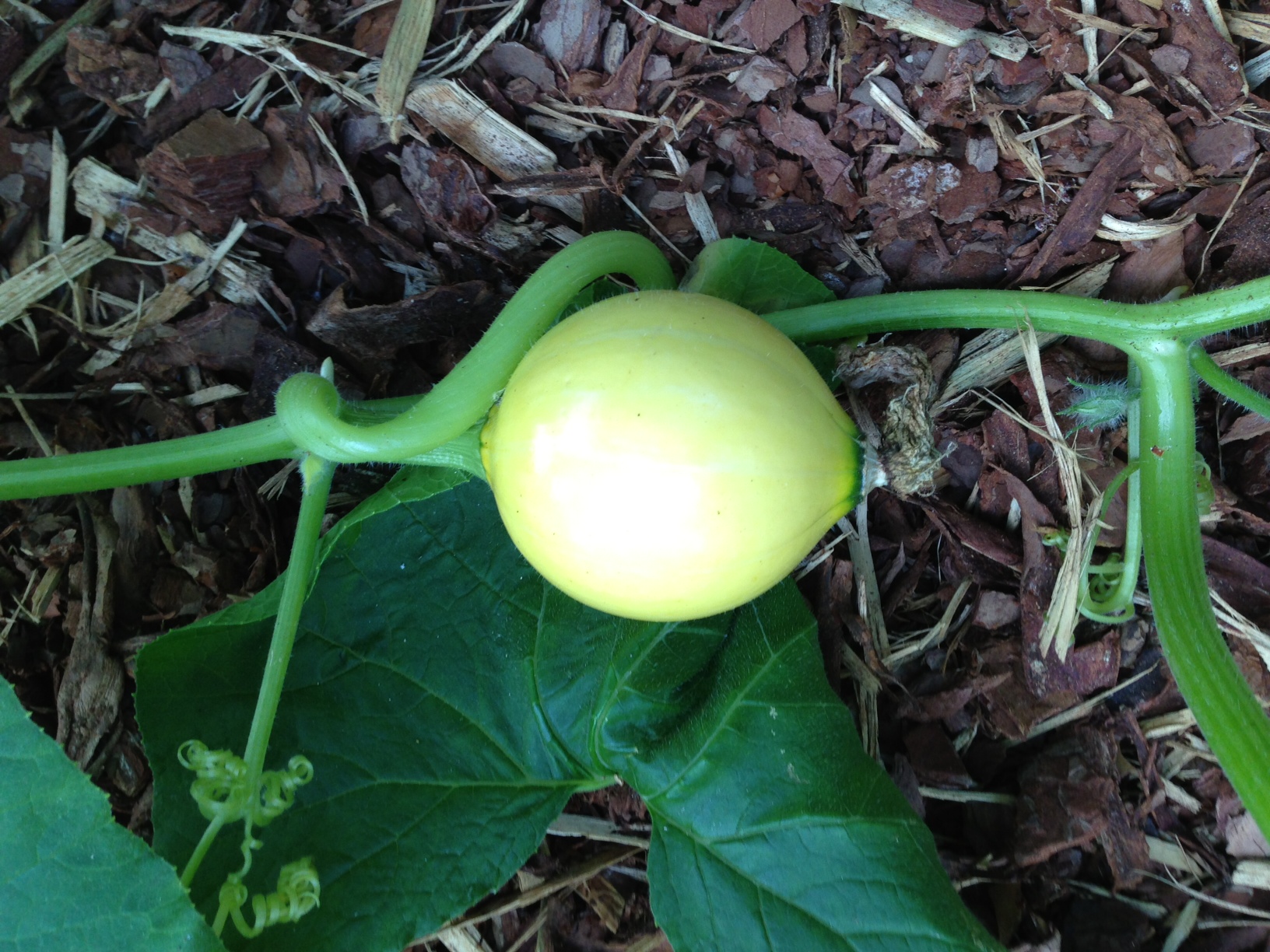
Not only are pumpkins fun as a literary theme, but they are also a lot of fun to grow as they go fairly fast from this:

squashbaby2


to this:

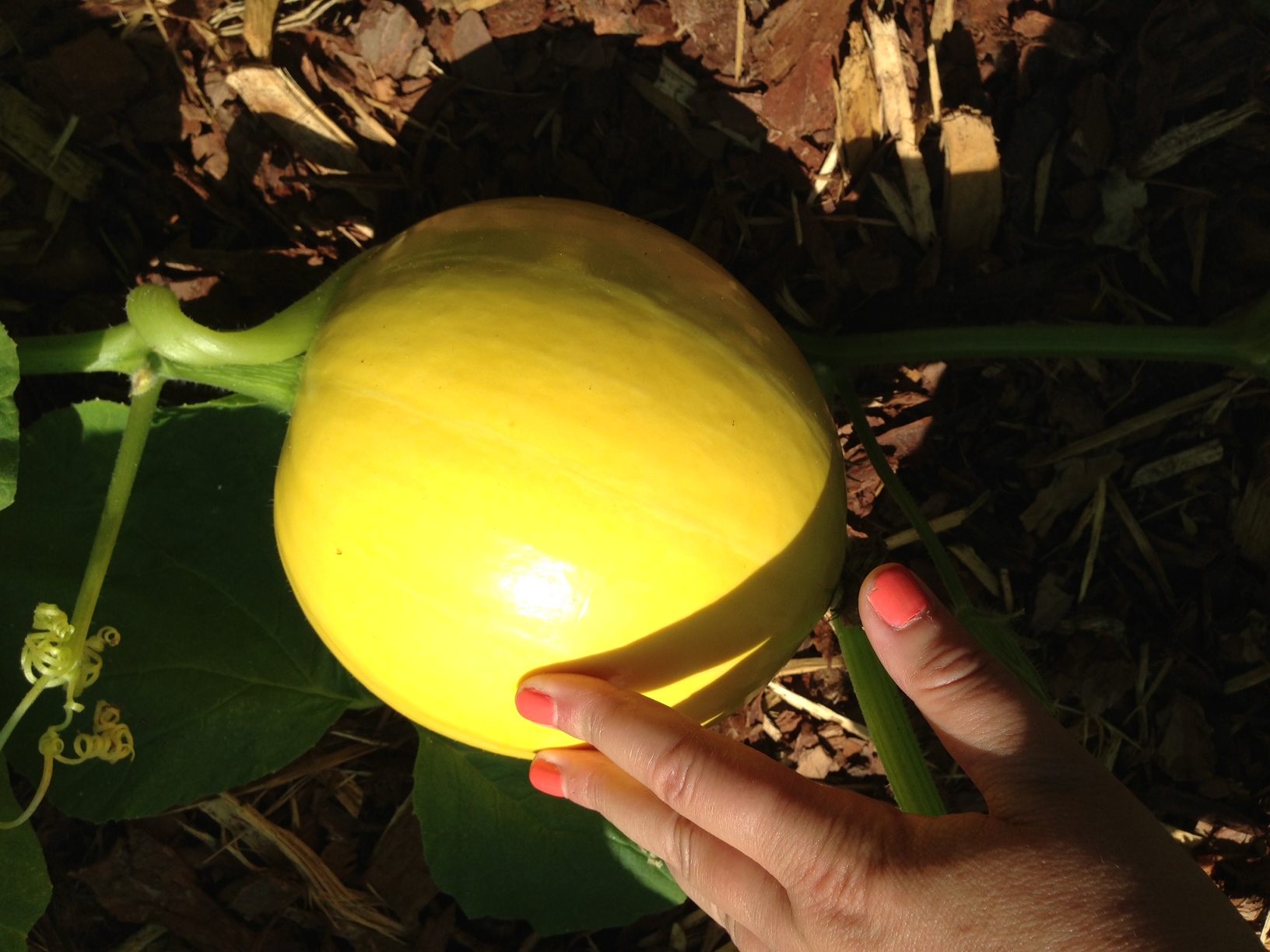
squashbaby

all the way to this and beyond:

squash2

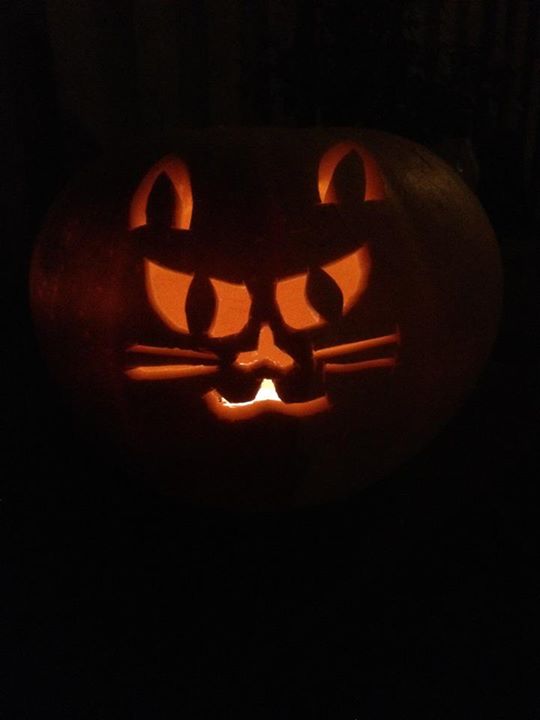
Jack O’Lantern is the classic American Halloween decoration. Just empty a pumpkin and carve a scary face on it. If you have smaller pumpkins, you can use a LED candle instead of a real one and you’ll be ready for the onset of kaamos, the winter darkness period gracing Finland from November til February. You might not have much light, but you’ll always have the funny, sexy, literary, and political careers-destroying pumpkin.

kitty1

Source: Norrman Ralf & Haarberg, Jon. 1980. Nature and Language. A Semiotic Study of Cucurbits in Literature. London: Routledge & Kegan Paul. p. 77

Photo credit: Elina Valovirta

Welcoming words by Professor Risto Hiltunen

Dear readers,

According to the OED, blog as a noun has the meaning

A frequently updated web site consisting of personal observations, excerpts from other sources, etc., typically run by a single person, and usually with hyperlinks to other sites; an online journal or diary.

As a verb, the word means

To write or maintain a weblog. Also: to read or browse through weblogs, esp. habitually.

It follows from these definitions that the agent noun blogger refers to ‘the author of a weblog’. In all instances, the first occurrence of the word is dated to 1999.
As usual, the OED says it all. The idea of setting up an English Department Blog as a forum for discussing and debating questions related to our profession and the contexts we are working in – whether local, global, or in-between – is a delightful new opening. I very much hope it will become an attractive site for bloggers and blog-readers alike and thereby further contribute to our common good.
Risto Hiltunen

rosettarosetta4

(photo credits: Klaus Kurki & Joel Kuortti)