Bridging North America: Inauguration of the John Morton Center

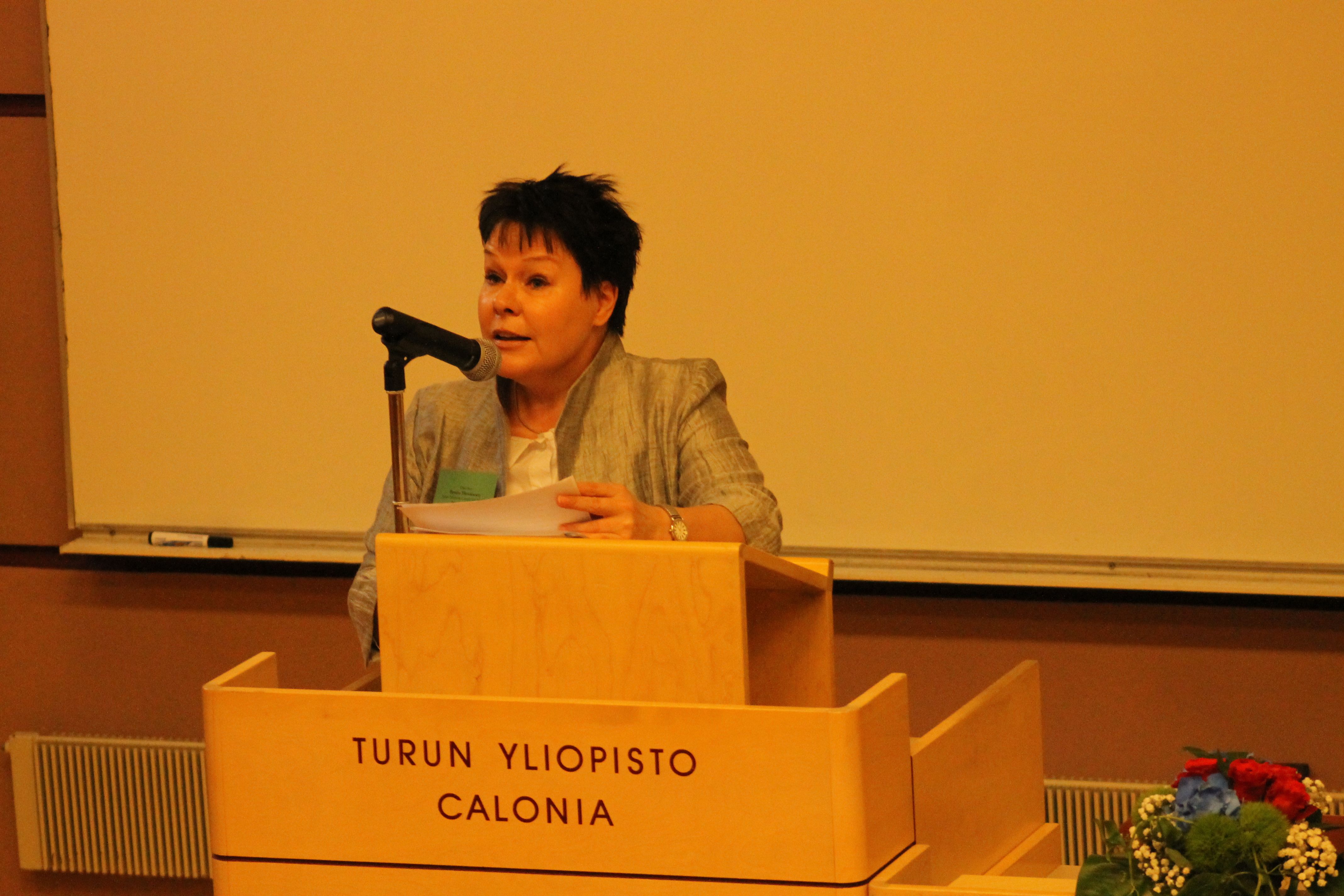
The recently launched John Morton Center for North American Studies held its inaugural event on Tuesday, April 29, in the University of Turku’s Calonia building. The Center’s new director and powerhouse Benita Heiskanen did not rest on her laurels in starting the center’s activities: in the past three months she has already, with the help of Co-ordinator Johanna Leinonen and Intern Malla Lehtonen, launched the center’s series of Current Events seminars, website, blog, expert directory, and announced an international conference to take place in August this year. The inaugural event followed suit the center’s dynamic start, as present at the event were everyone from the university’s past and present Rectors, Keijo Virtanen and Kalervo Väänänen, Turku city representatives, to notable members of the public sector. Video greetings were given by all embassies related to the field of study (United States, Canada, and Mexico). Bruce Oreck’s speech was shot in the US embassy’s John Morton room in honour of the center’s namesake.
heiskanen

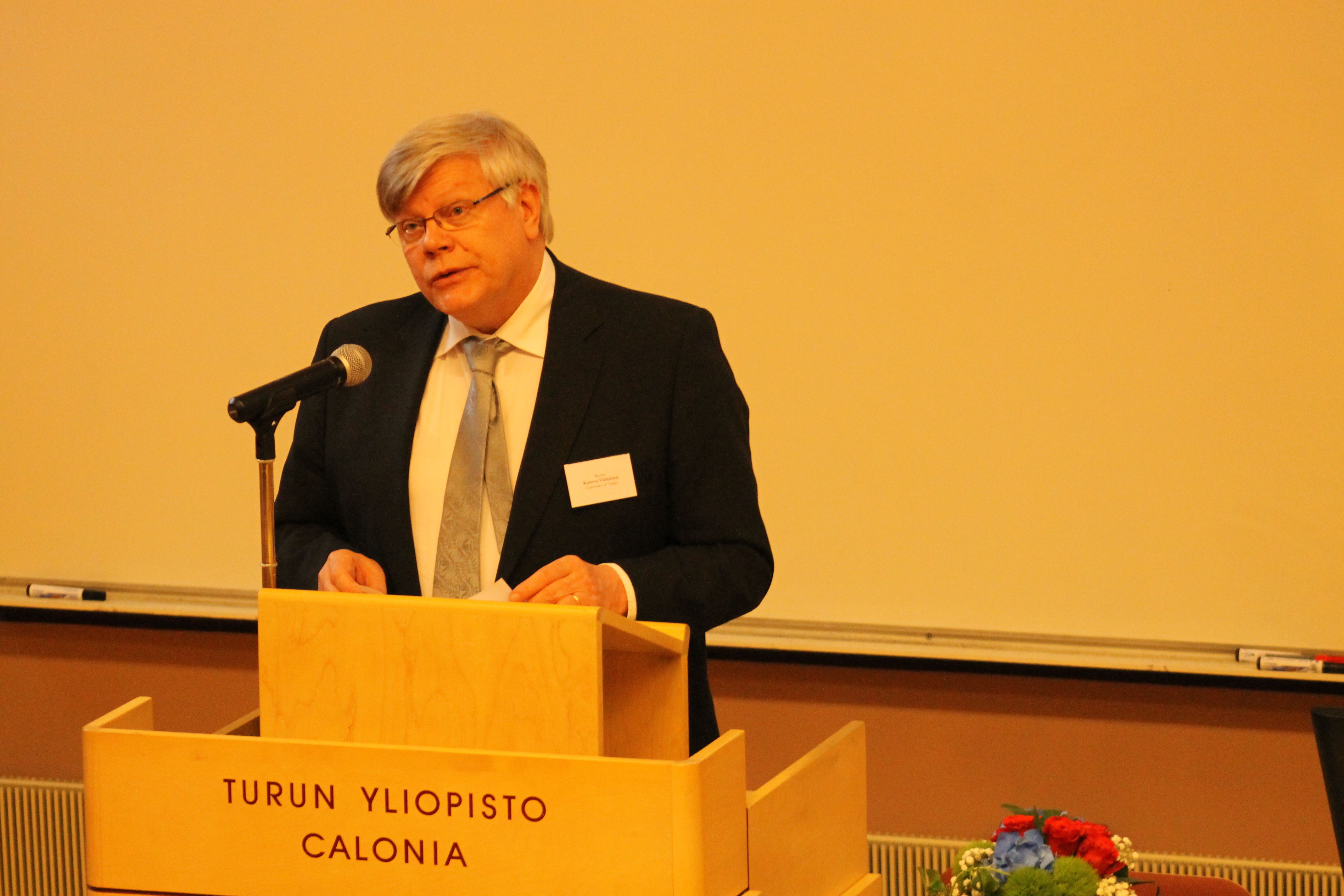
In his opening words Rector Kalervo Väänänen stressed the importance of understanding foreign languages, cultures, and societies, and extended his warmest wishes for the center’s success and thanked its founders, in particular, the Rector Emeritus, Keijo Virtanen, for their efforts in establishing the center. Virtanen continued with a brief history of JMC’s coming into being, chronicling the need and desire for a center dedicated to the promotion of North American Studies with intricate links to the public sector. Chairman Jukka Valtasaari of the League of Finnish-American Societies thanked the university for securing initial funding for the center, and further elaborated on the “founding fathers'” effort to start the center.
rector

The North American Connections panel was chaired by the Head of School, Professor Henri Vogt, where, first, Professor Katri Sieberg discussed economic reasons for some of the structural differences and similarities between US and Finnish societies, using her project on analyzing drug crime from an economics perspective as an example. Furthermore, Dr Sarri Vuorisalo-Tiitinen gave her take on cultural connections between Mexico, USA, and Canada, and stressed culture as a process rather than an essence. The panel was concluded by Professor Markku Henriksson, who reminded the audience of the cross- and multidisciplinary nature of North American Studies and called for a generalist’s knowledge and methodological multitalent as well as awareness of current events (like milk price!) as important facets of a scholar’s competence. Finally, he compared JMC to a flower, where its petals represent all the different individuals and institutions brought together by the centre itself. The flower, now budding, needs to be watered and cultivated with care in order to flourish.
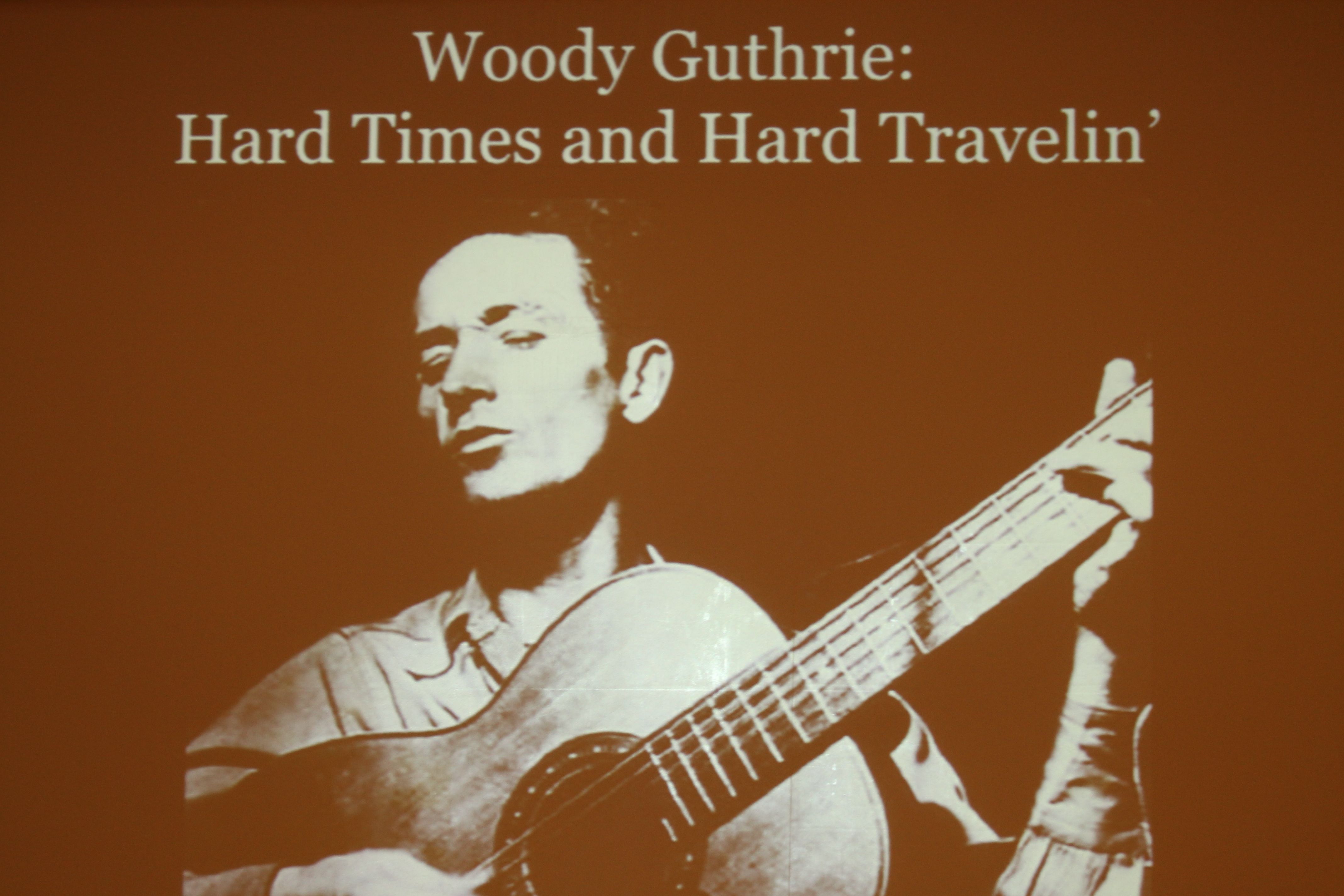
guthrie
The day’s cultural highlight was the live documentary show on the legendary American singer, Woody Guthrie, presented by Professor Will Kaufman of the University of Central Lancashire, England. The singer and activist, Guthrie, drew some of his song topics from the 1930s depression and dustbowl migration to California, and the tent camps which he visited frequently played a part in making him a social activist. Kaufman’s storytelling captivated, while his renditions of Guthrie’s iconic songs moved as well as entertained. The show ended with Guthrie’s most famous song, This Land Is Your Land, which in Kaufman’s magnificent version highlighted the disillusioned, anti-capitalist message of the now classic American singalong song.
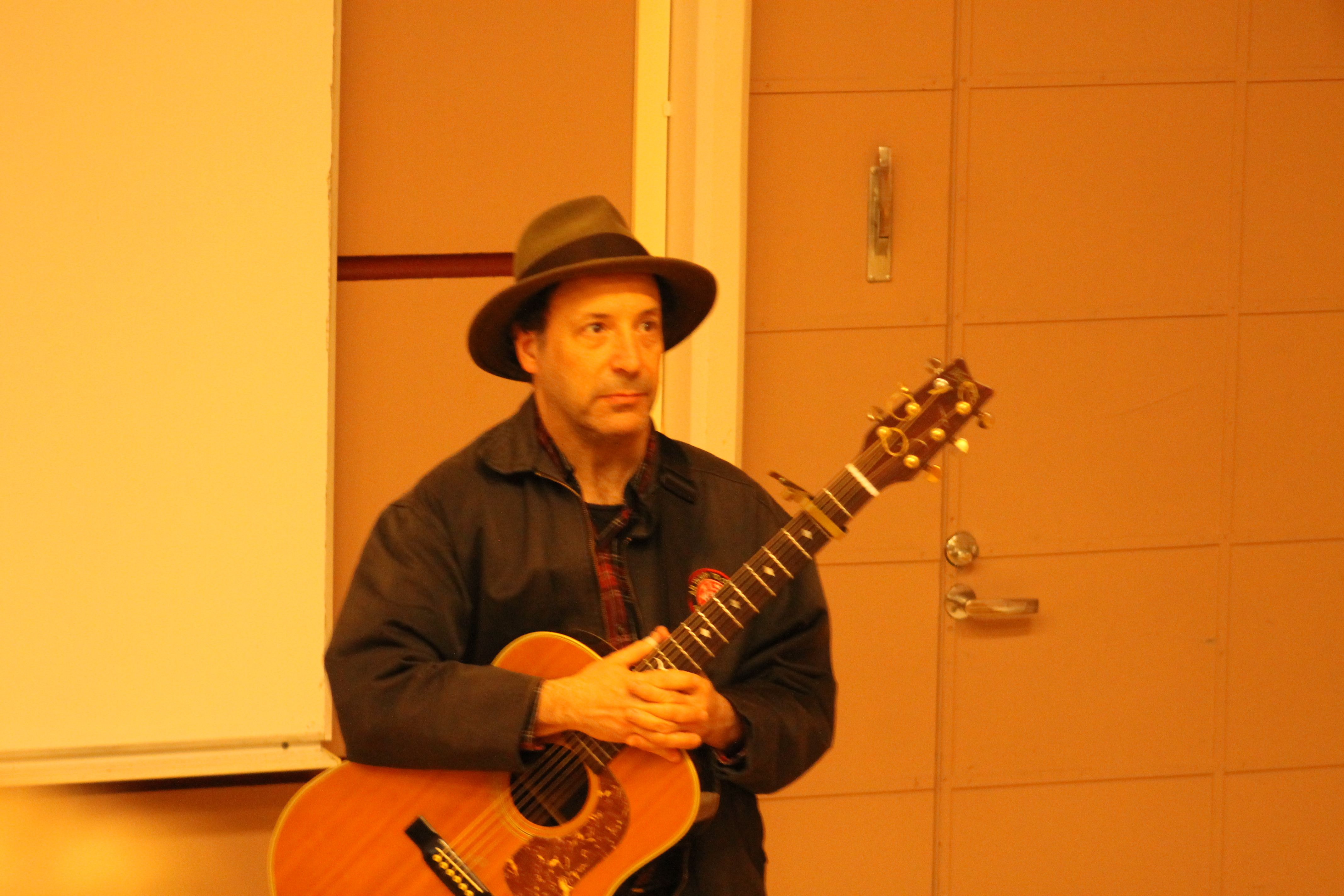
kaufman

The evening was concluded by a drinks reception on campus followed by the inaugural dinner at Samppalinna restaurant, where attendees continued to celebrate the future and continued success of the JMC.

Text: Elina Valovirta
Photos: Joel Kuortti

Hard Work Made Easy

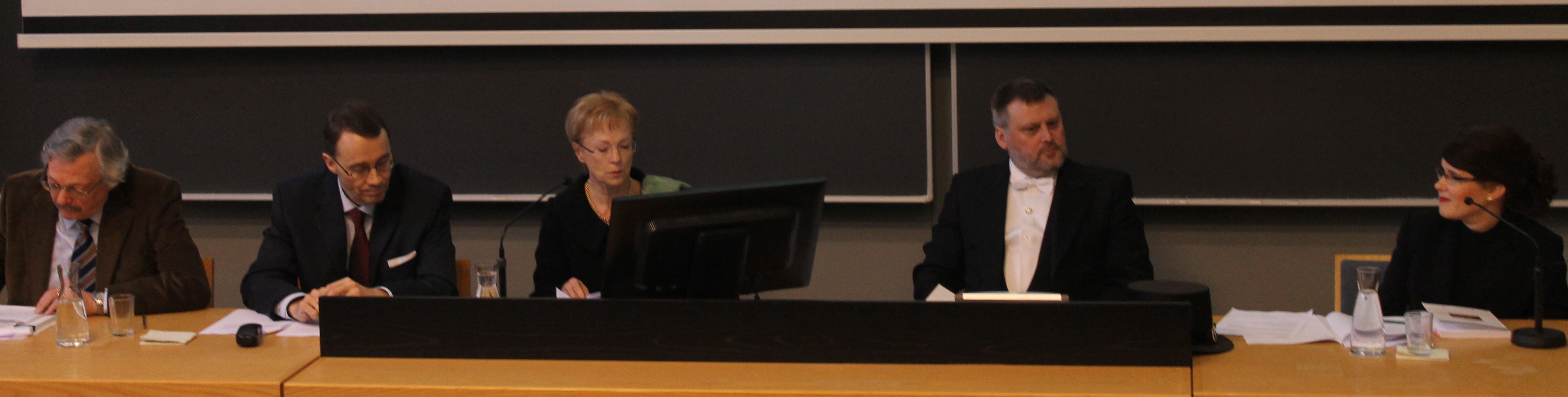
On the last day of January, 2014, a fifty-strong crowd gathered in the Tauno Nurmela auditorium to listen to the defence of Elina Siltanen’s doctoral dissertation “Hard Work? Reciprocal Communication in Contemporary American Experimental Poetry”.

IMG_5628

The opponent who discussed the dissertation with Siltanen was professor emeritus Charles Molesworth (Queens College, The City University of New York). An eminent scholar of poetry, he has published The Fierce Embrace: A Study in Contemporary American Poetry, as well as critical books on Marianne Moore, Gary Snyder and Donald Barthelme, and biographies of Alain Locke and, most recently, Countee Cullen (2012). He has also two poetry titles to his name, Common Elegies and Words to That Effect. In the 1970s, he served as a Fulbright Professor in Turku, and the reunion with former colleagues was an amicable one.

In Siltanen’s study, the focus was on the works of three American experimental poets: John Ashbery (born 1927), Lyn Hejinian (1941) and Ron Silliman (1946). A literary critic herself, she proposes – on the basis of the discontinuous and repetitive character of experimental poetry – new ways of reading poetry that do not require clear-cut interpretations nor consistent subjectivity

Siltanen was one of the pioneers in the inter-university scheme Cotutelle, which is an agreement between two universities for a double degree in both universities; in this case the University of Turku and the Luleå University of Technology in Sweden. For the defence, this posed a technological challenge as the event was simultaneously videoed to Luleå, and the Swedish grading committee was present in Turku and took part in the discussion after the opponent.

IMG_5633

The respondent was very lucid in her comments to the questions posed to her first by the opponent and then the committee. Afterwards, several audience members commended the discussion for its clarity, and especially the approachability of the introductory lecture by the doctoral candidate (lectio praecursoria) was acclaimed. It made the hard work easier.

It was with satisfaction that I concluded the defence.

Joel Kuortti
custos

IMG_5648
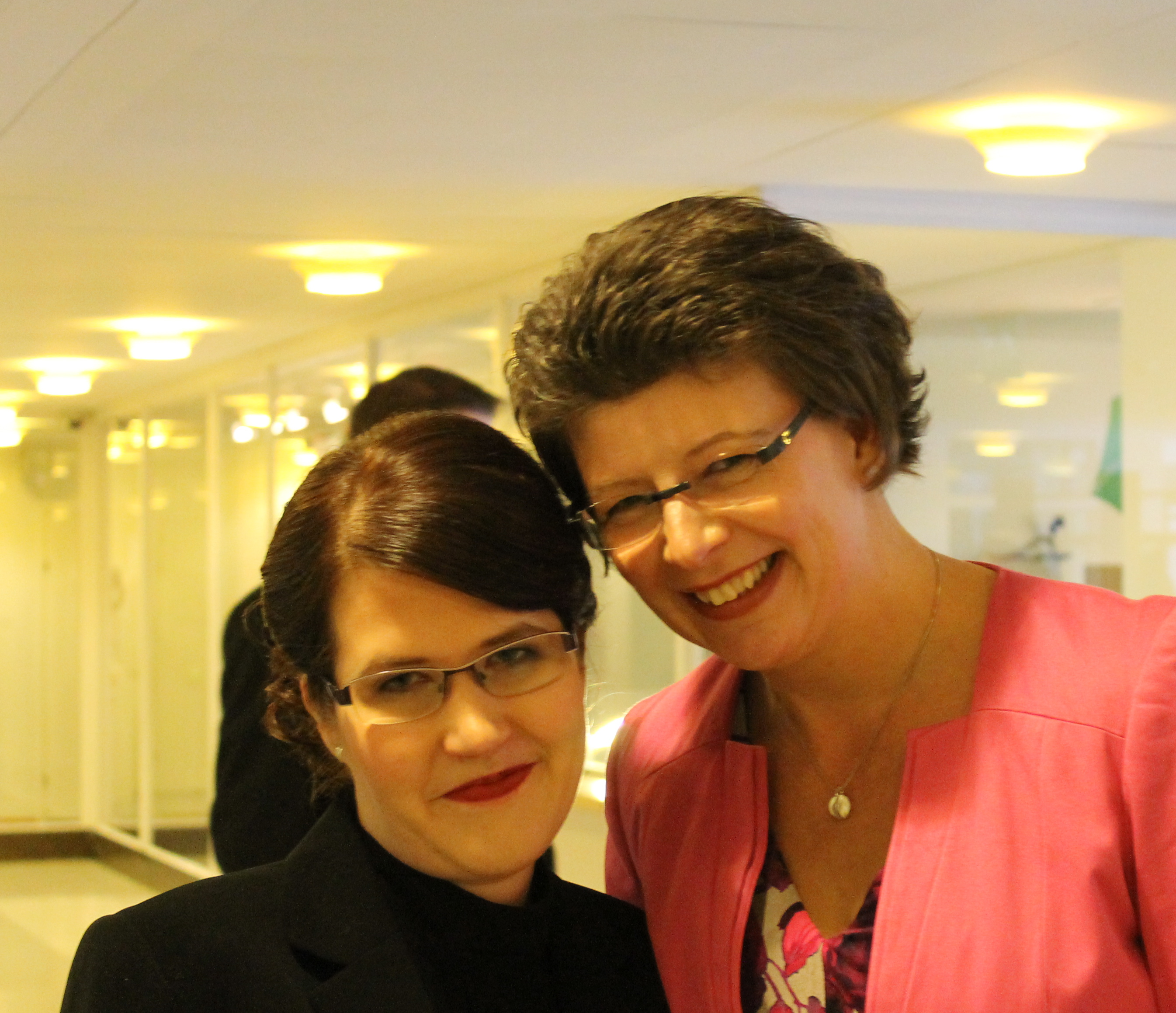
“What a long strange trip it’s been”, is a famous exclamation by Jerry Garcia, which the poet Ron Silliman adapted to his poetry. The sentiment might be shared by Elina and her supervisor, Professor Lydia Kokkkola.

Shakespeare’s Othello: Still Contemporary after 400 Years

The story is a familiar one: a father cannot approve of his daughter’s elopement with a powerful and ambitious military leader, who, despite his respectability and his service to the powers that be, remains a social outcast due to his race. One of this leader’s trusted advisors, who feels that he has been passed over for a promotion, slowly poisons his superior’s mind, finally managing to convince him that his wife has been unfaithful with another of his favored advisors. Despite the woman’s valiant efforts to defend herself and her reputation, the story ends in tragedy for all involved. Shakespeare’s Othello plays on the familiar themes of ambition, jealousy, and racial intolerance to create a tragedy that builds to its inevitable crescendo through Iago’s masterful and unfeeling manipulation and Othello’s unfortunate susceptibility to manipulation.

Othello was staged—or rather, screened—as part of the British National Theatre’s series of performances recorded live in London and presented in one-night-only screenings at cinemas throughout Europe. If you can’t make it to London, this may be the next best thing.

Director Nicholas Hytner’s adaptation of Othello does not so much “update” a classic by adding modern elements as it does reveal the lasting relevance of the play itself. Shakespeare’s original lines seem oddly appropriate to the production’s contemporary settings: the corporate boardroom, the modular buildings of a military base somewhere in the Middle East. Rory Kinnear’s Iago is chillingly self-satisfied while Adrian Lester’s Othello is frustratingly willing to be misled. Olivia Vinall is powerful as Desdemona, and Lyndsey Marshal’s Emilia lends great dramatic energy to the latter half of the play. The scene in which Lester’s Othello succeeds in strangling Vinall’s Desdemona is so stark and wrenchingly visceral that it is difficult to watch.

If anything, this production gets a bit carried away in furnishing contemporary details. (For instance, why is someone drinking something in nearly every scene—a cup of Starbucks coffee, as well as numerous plastic bottles of water, and several cans of Heineken? Such details almost become part of the play’s plot themselves.) All in all, though, this was a powerful production of Othello, and a rare opportunity to catch Shakespeare “live” in Turku.
Justin Parks

Click here for further info on National Theatre Live at Finnkino. Next shows: Macbeth Nov 18, Hamlet Dec 2.

Networking and applying linguistics

afinla-e
The Finnish Association of Applied Linguistics (AFinLA) organizes an annual autumn symposium. The symposium is this year organized by the School of Languages and Translation Studies at the University of Turku. We expect to have more than 100 participants listening to plenaries, presentations and workshops on applied linguistic topics.

The association is an important networking tool for anyone interested in applied linguistics. In addition to the symposium, AFinLA awards the annual Afinlandia prize for an excellent MA thesis within applied linguistics in Finland. Every three years an award is also given to an excellent PhD thesis.

To build networks between researchers interested in similar areas AFinLA has special interest groups (SIGs). At present, there are 5: Language Policies, Discourse Studies, Dialogic and Sociocultural Language Research, Assessment, and Teaching and Learning in a Foreign or Second Language. By becoming a member of AFinLA, you can also join the SIGs.

The membership fee in 2013 is 24 € (only 16 € for students!) – and if you pay only 10 € more, you also receive the AFinLA yearbook, which is published every autumn. It includes peer-reviewed articles of the top studies presented at the symposium. The yearbooks are a good way to see what is going on within applied linguistics in Finland. AFinla also has an electronic publication series AFinLA-e that also includes peer-reviewed papers that may not be directly related to the theme of the autumn symposium.

This year’s theme is Language Users of Tomorrow. This follows nicely from the earlier theme Language Learners of Today that was used when the symposium was last held in Turku. This also reflects linguistic thinking; we now are more and more interested in the future: What does language proficiency consist of in the future? What is the effect of digital environments? How does language use change in workplaces? Population is ageing, what are the effects on languages in society? Come and see!
Pekka Lintunen
Afinla-banner

Gradutalkoot Oct 18, 2013

Hackathon (from hack+marathon) is an event in which software developers collaborate on new projects for a set period of time. A hackathon usually starts with a presentation on the theme of the event. Then, teams are formed and work on the software projects is started. At the end of the event, results are presented.

Inspired by the hackathons organized in the IT world, our department organized an MA thesis writing day, ‘Gradutalkoot’. The idea of this event was to give our thesis writers an opportunity to work on their thesis in an organized and goal-oriented manner. The event was coordinated by Elina Valovirta and Mari-Liisa Varila from the Department of English; Outi Paloposki and Ira Hansen from the Department also participated in the event.
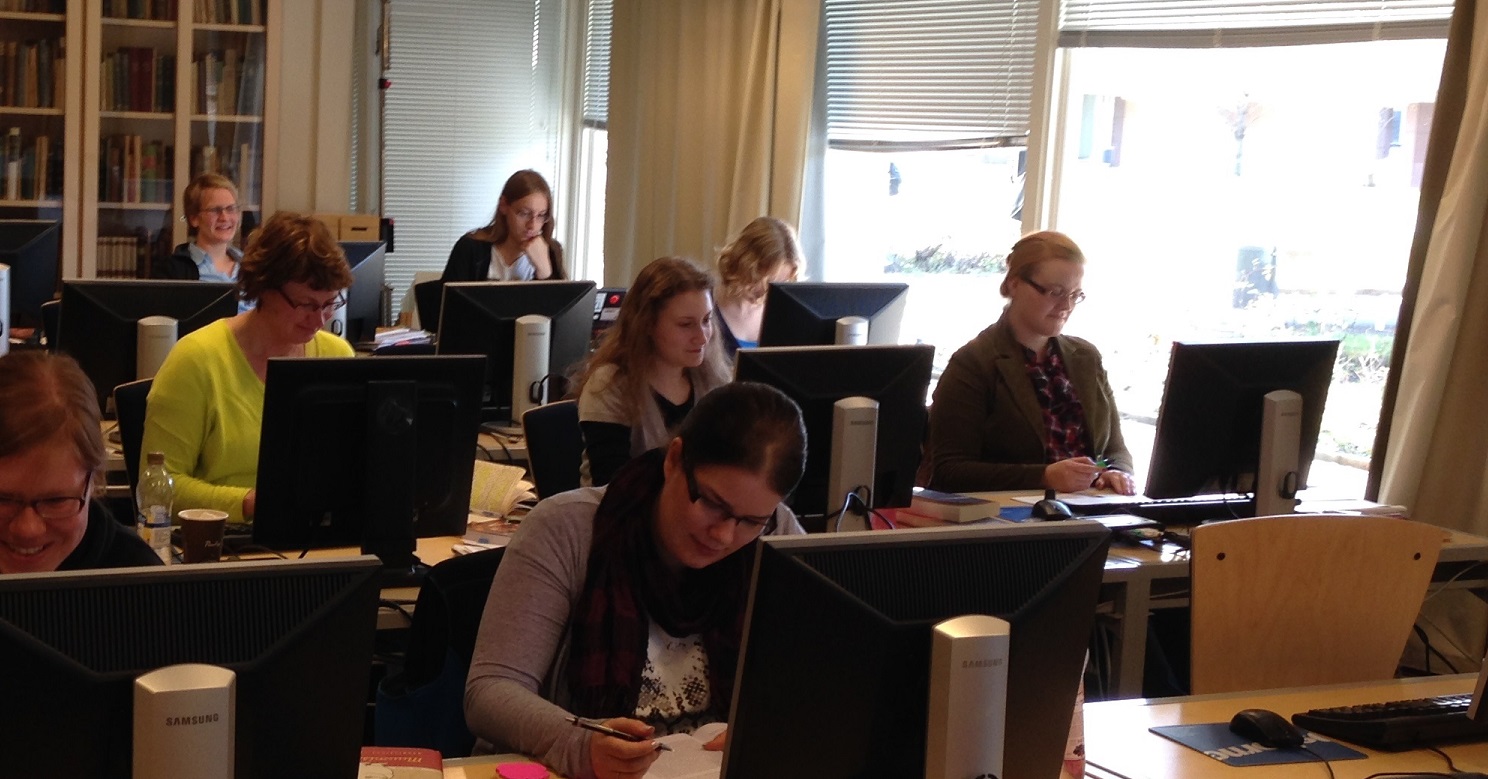
The staff members and 11 thesis writers (from different Tracks) met on Friday 18 October at the Paasikivi room of the Main Library.

We began by setting individual goals for the day – for example, how many pages each participant would write. Passages from Neil Gaiman’s pep talk for NaNoWriMo writers were read aloud for inspiration. Leena Järveläinen from the University Library helped us with information retrieval issues; she also briefly introduced the new ResearchGuides service of the University Library. This service groups together various search tools and databases available via our library; we recommend taking a look!

We made good progress during the morning and did a brief round of situation reports before heading out to Assarin Ullakko for lunch. After lunch, the writing work continued in good spirits. We had a short coffee break — sponsored by the Department — in the afternoon to keep everybody awake and busy. We ended the successful working day with a debriefing session, where we assessed how we managed to reach the goals we set for ourselves and discussed the next stages of our projects.

Everyone felt that the event was successful; the next Gradutalkoot will be organised on 5 December, 9-14. Another event to look out for is the Thesis Symposium, where MA thesis writers from different Tracks and in different stages of their projects discuss their work. The first Thesis Symposium was held in Spring 2013, and we hope to organize the second one in Spring 2014. More information will be available later!
Mari-Liisa Varila

thesisday
Happy thesis writers hard at work.