Time flies when you have JAZZ!

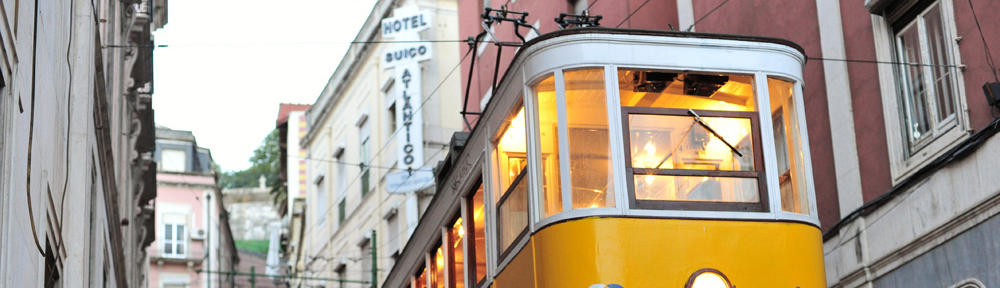
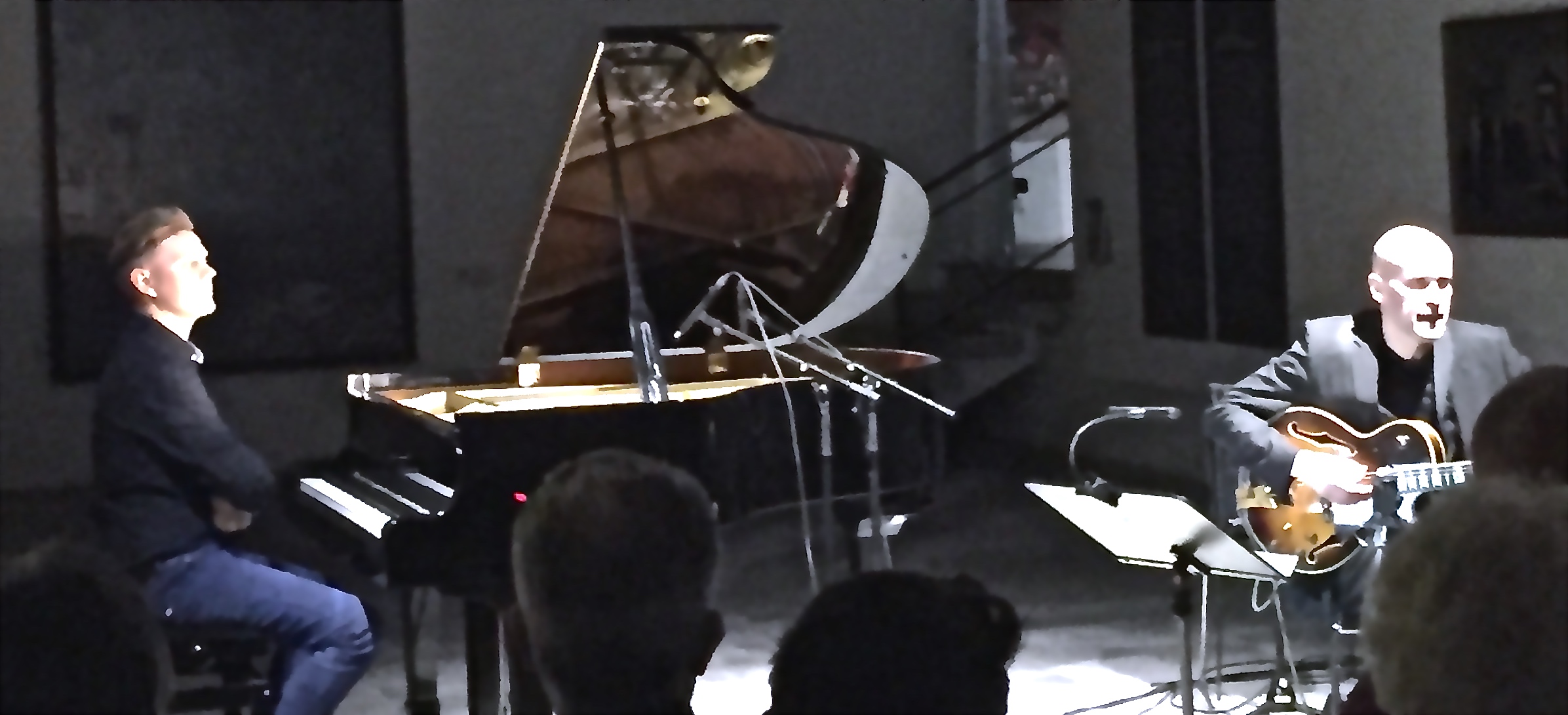
The English Department makes traditional ‘City Hikes’ to Turku destinations. This time the goal was to be jazzed at the Wäinö Aaltonen Museum with their Tuesday concert series. The programme promised a treat by the duo of the jazz pianist Aki Rissanen and the Finnish jazz guitar genius Niklas Winter.

The (unexpected, unprogrammed) overture was Aki’s solo consisting of a piece from Medieval French composer Guillaume de Machaut (d. 1377), followed by a part of the Finnish composer Leevi Madetoja’s (1887–1947) Syksy (Autumn) series of songs. All in ‘jazz’. Niklas tried to enter the stage after Aki’s first number but was, convivially, only allowed to enter after the Madetoja piece.

The programme consisted of many compositions by the duo, some of which were dedicated to memorable musicians (J. J. Cale, Charlie Parker, Billy Strayhorn). The guitar and the piano played well together, and created a timeless sound world.
jazz1

Aki Rissanen, piano, Niklas Winter, guitar. Photo: JK.

As to the etymological roots of jazz, then, it is a complex type of beast. With Western African origins, it can be said to have been brought to life and light in New Orleans (since the beginning of the 20th century). The ‘exact’ meaning is shrouded in innuendoes, ambiguities, and especially euphemisms. Subsequently, such an ambiance created a shrowd of unaccceptability (and also counterhegemonic prestige) for jazz for decades, some of which continues in its reception even in today’s (self-acclaimed) uninhibited musical sphere.

There are myriad forms of jazz – and even more of its derivatives and fusions. The most familiar ones are perhaps Bebop, Swing, Big Band, and (maybe only by reputation) Free Jazz. Even a short list of major names of jazz performers and composers (or my meagre list of favourites) itself exceeds the limits of this platform.

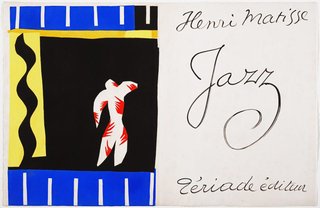
Intertextually, ‘jazz’ may bring into mind Tony Morrison’s (Chloe Anthony Wofford, born 1931–) historical 1992 novel Jazz, director Bob Fosse’s autobiographical movie All that Jazz (1979), Henri Matisse’s (1869–1954) art collage book Jazz (1947), or any number of other cultural artefacts. Be as it may, jazz is a state of mind.
jazz2
Henri Matisse, “The Clown” (1947)

Text and photo by Joel Kuortti
Shakespeare 400 in Turku

This year marks the 400th anniversary of the death of William Shakespeare. Universities and other institutions around the world have been organising special events and courses throughout the year. One of these special courses is Shakespeare 400, a joint effort of the University of Turku and Åbo Akademi University.

The course runs from late October to mid-December. It comprises seven lectures by eight lecturers from four different departments: the Department of English at ÅAU, the Department of English at UTU, the Department of Cultural History (UTU), and the Department of Comparative Literature (UTU). There are altogether fifty students taking the course.

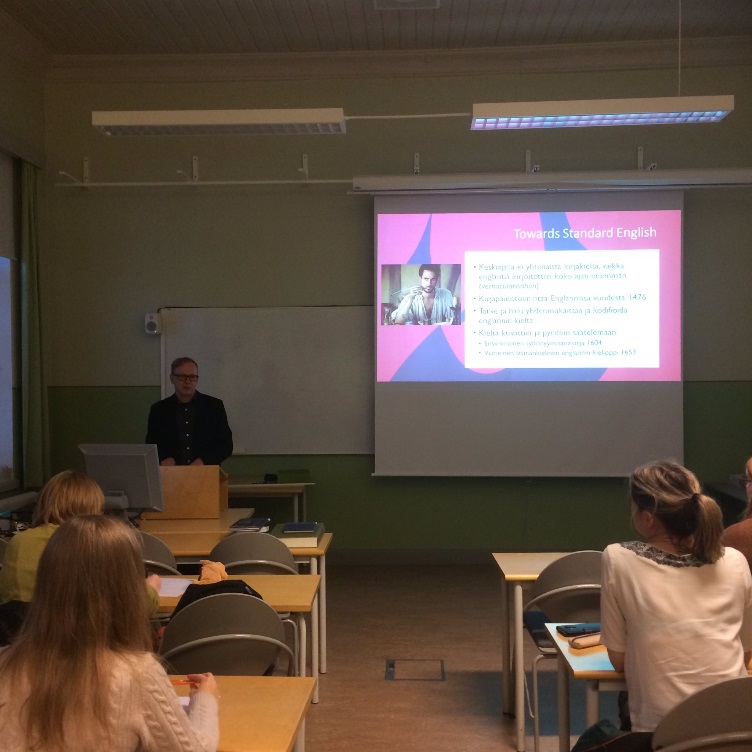
The lecture series started on 27 October with a joint lecture by Dr Janne Skaffari and Prof. Matti Peikola from our own department. Janne Skaffari offered a fascinating glimpse to Early Modern English and Shakespeare’s language. He finished the lecture by reciting a sonnet in what is known as ‘Original Pronunciation’, a reconstructed version of what ‘Shakespeare’s English’ might have sounded like. If that piqued your interest, have a look at Ben Crystal’s Hamlet here!
shakespeare400

Matti Peikola then moved on to discuss the early editions of Shakespeare plays. Although the First Folio is the most well-known edition of Shakespeare, defining the canon for years to come, it was only published after Shakespeare’s death by his colleagues. However, Shakespeare’s plays were already published individually during his lifetime, in a smaller and much cheaper quarto format. The first quarto edition of Hamlet was much shorter than the First Folio version! You can read more about the quartos here.

Both Skaffari and Peikola reminded the audience that although Shakespeare has often been treated as a canonical author figure, many of his plays actually show evidence of collaborative authorship. Read more about recent findings here.

Text and photo by Mari-Liisa Varila

The transmission of early scientific writing: Mari-Liisa Varila’s doctoral defence

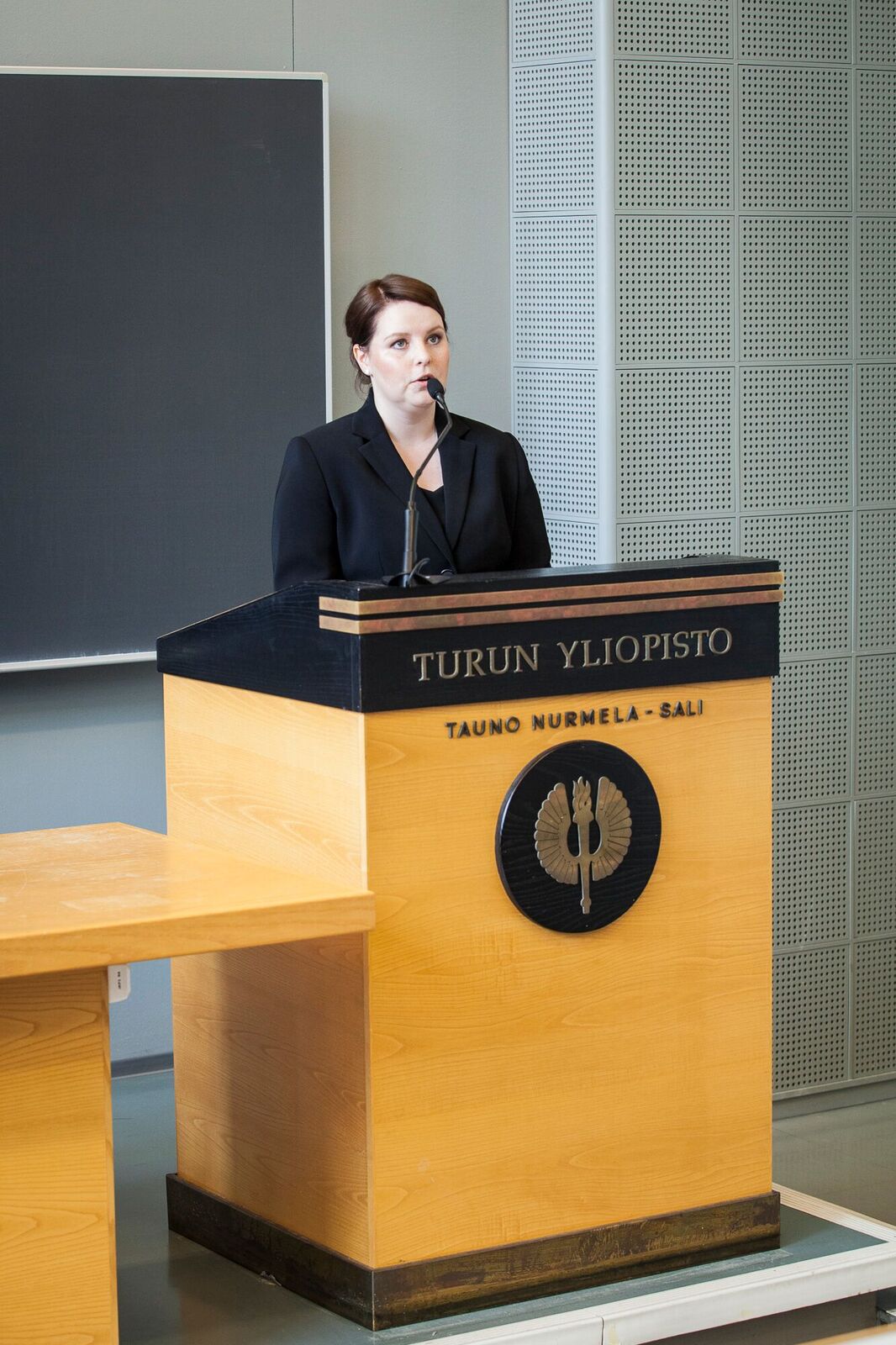
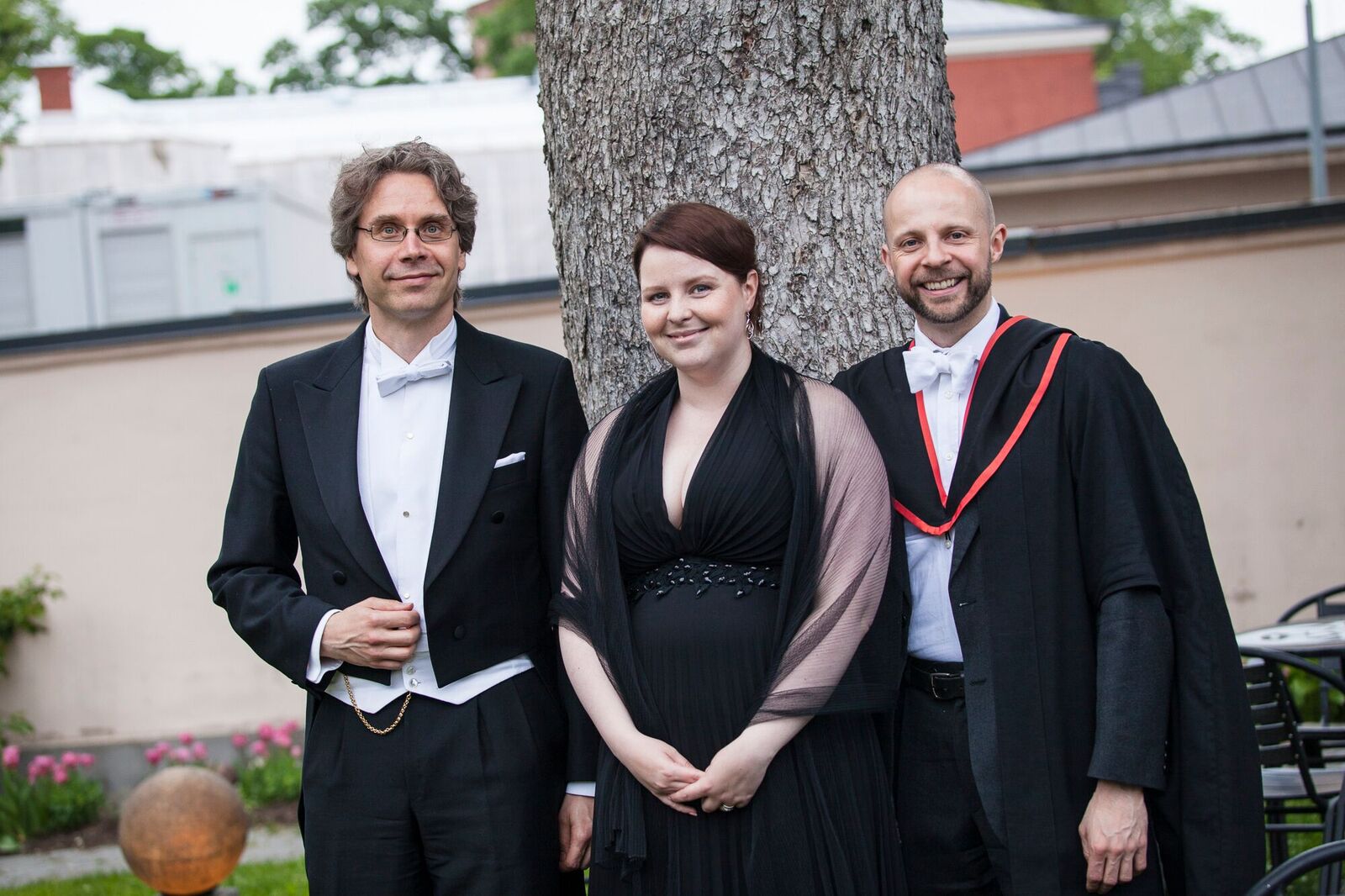
It is always a happy occasion for the whole department when a doctoral candidate defends their dissertation. This spring we were treated to not only one but two public examinations of doctoral dissertations. The first was that of Mari-Liisa Varila. On 28 May 2016, she defended her dissertation titled “In search of textual boundaries: A case study on the transmission of scientific writing in 16th-century England”.

Mari1

Varila’s study concentrates on the text-production practices of scribes and compilers as they copied scientific (in this case, mostly astrological) texts in manuscript form. Early scientific writing has not been researched as much as the extant material would merit; nor has book production in the early sixteenth century been studied extensively, especially the production of manuscript books. Varila’s study helps to bridge both of these gaps in research. Her primary material consists of three English manuscripts including mostly scientific texts. These manuscripts have not been studied in detail before.

Mari2

The opponent was Daniel Wakelin, Jeremy Griffiths Professor of Medieval English Palaeography at the University of Oxford. Professor Matti Peikola acted as custos. Wakelin and Varila engaged in a lively, intriguing discussion on matters scribal, textual and material. The enthusiasm with which both the opponent and the candidate participated in the discussion was palpable to the audience. Wakelin commended Varila on her innovative approach, which combines several disciplines in order to present an accurate picture of her manuscript material and conclusions.

The combination of approaches including manuscript studies, textual scholarship and historical discourse linguistics allows Varila to look at her material in novel ways and to understand the broader contexts behind the manuscripts’ production. She concludes that early scientific texts and works are often flexible in their boundaries. Scribes could copy selectively and the information content was often more important than the linguistic form. Material features are important: the constraints of the physical page can affect the texts being copied. Varila also shows that the connections between manuscripts and early printed material are a fruitful object of study. We were happy to attend such a successful examination, a fitting finale for the years of hard work!

mari4

Text by Sara Norja & Aino Liira
Photos by Miikka Varila

Shakespeare 400 in Turku

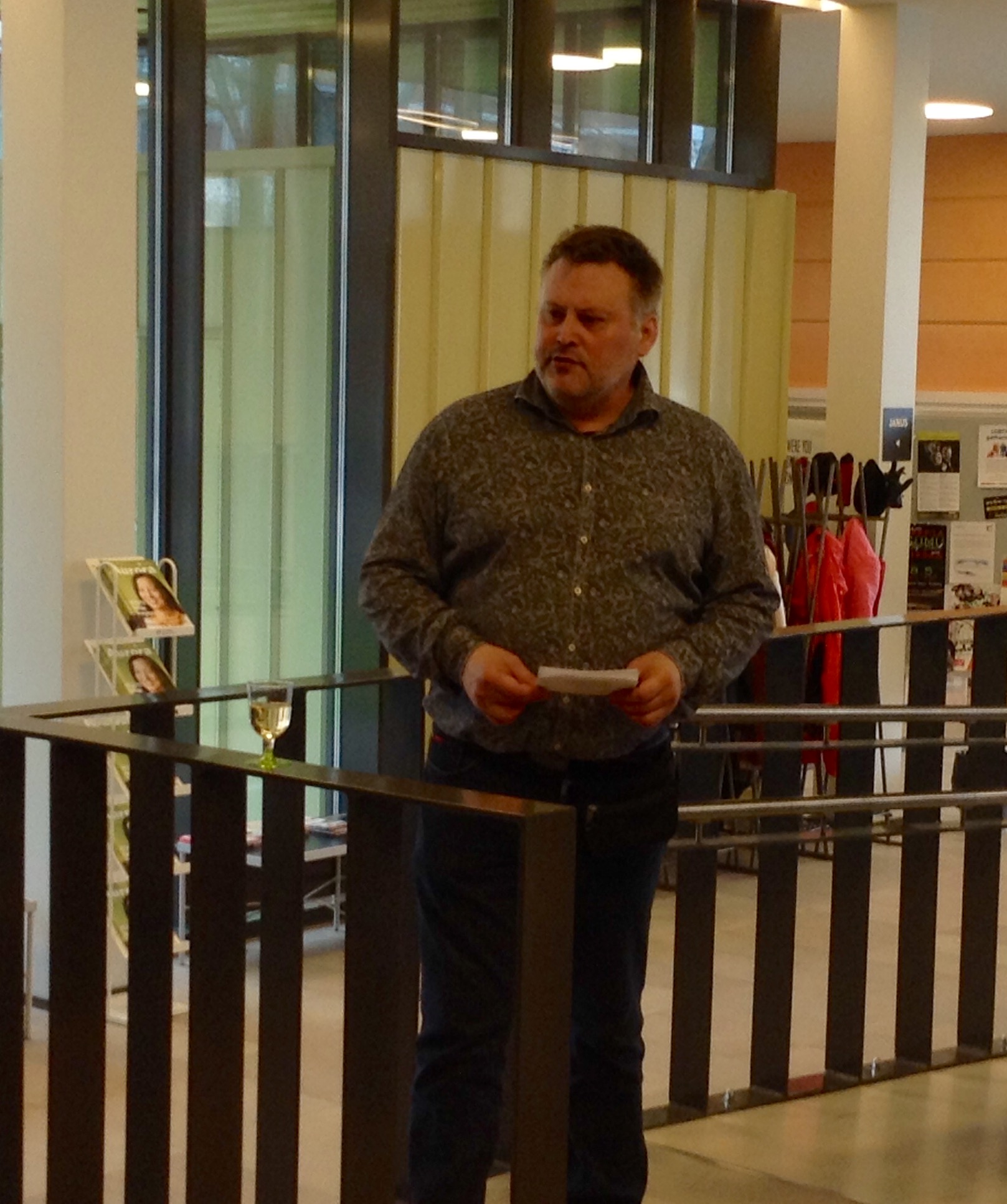
Last week, our department – along with the rest of the world – celebrated Shakespeare as Saturday April 23rd marked the 400th anniversary of the Bard of Avon’s death. Why death, you ask? Well, because we do not know his exact day of birth, and in order to celebrate, we need a date! So, a date with Shakespeare it was on Friday, when the department celebrated with toasts and a jubilee lecture. The merriment began with a toast and a speech by Professor Joel Kuortti, who chronicled some ways in which Shakespeare has figured in his life, culminating in the words of Macbeth: “I drink to the general joy o’ the whole table”.

joelshakespeare

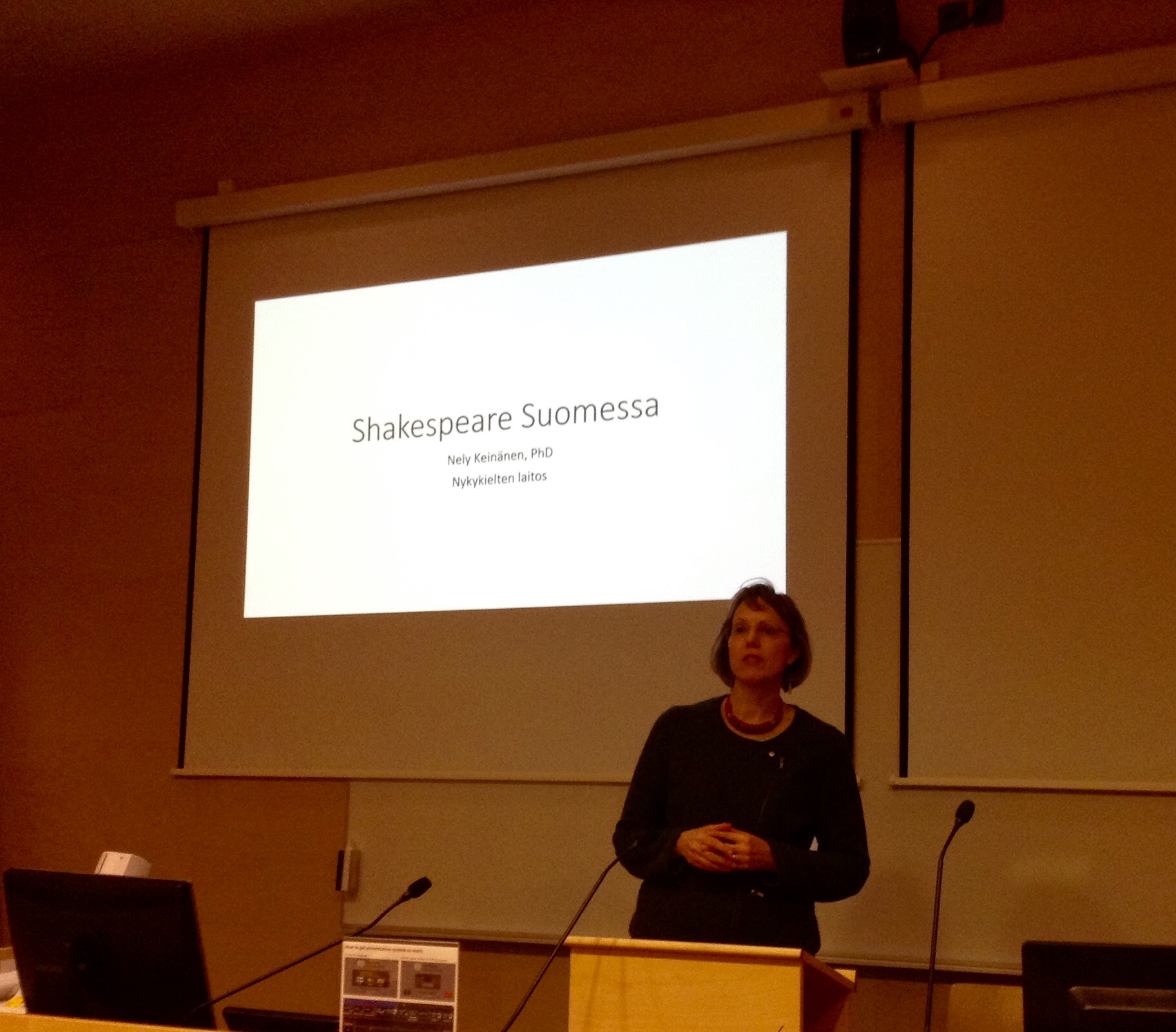
Followed by the toasts, the guest speaker, Helsinki University’s Senior Lecturer, Nely Keinänen gave a fascinating lecture on how Shakespeare’s plays were translated into Finnish and performed in Finland from the 19th century to the present day. We learned about the rich tradition of performing Shakespeare in Finland which interestingly coincided with and helped develop Finnish as a literary language. Translating Shakespeare into Finnish was seen as a great national victory for Finns, who now saw their own language take its place as a proper European language of culture. Shakespeare translations were and are yet another way for us Finns to prove ourselves that we are “most worthy friends” of English, French, and the rest.

nely
Shakespeare, then, was crucial to making Finnish a language of sophistication, culture, and the arts, and our little gathering helped celebrate that fact among others. For a celebration of death, it was a very jolly occasion indeed, marking 400 years of the Bard’s “charmed life”.

Text and photos by Elina Valovirta
Quotes from Macbeth

p.s. Stay tuned for more information on the Faculty of Humanities’ joint Shakespeare 400 lecture course in Q2 next academic year. For more info on Shakespeare festivities in England, go to www.shakespeare400.org.