Poetry from our students

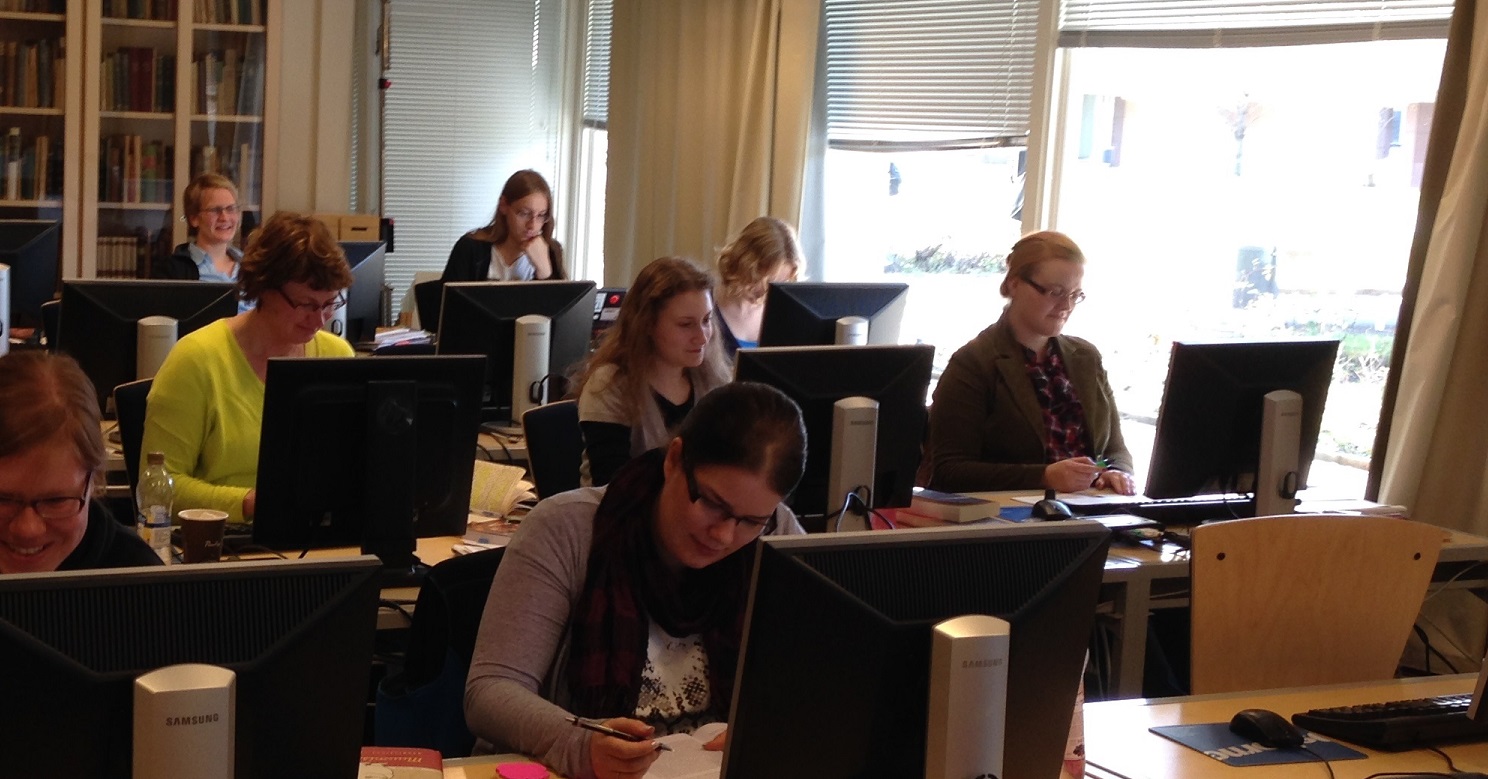
This academic year, our (mostly) first-year students have been assigned poetry-writing as a part of the Academic Writing Skills I course, taught by Henno Erikson Parks and Justin Parks (no relation). Our poetry expert and recent PhD, Elina Siltanen, selected some of the poems to be showcased here on the blog for your enjoyment. Well done, aspiring poets!

High, shelved, silent rows, timeworn
Heavy, dusty books, with delicate black letters on solemn pages
Old paper waiting, listening
Careful steps, hushed words, earnest young students
August room breathing beneath a dark ceiling
Columns soaring, serious white busts judging, smiling
In-between shaky ladders, paths to knowledge

By Hanna Yli-Paunu

The path to graduation is paved with… a new curriculum

‘OMG it’s happening again’ may have been many a teacher’s first thought last autumn when planning the new MA degree began at the School of Languages and Translation Studies. This is the third curricular reorganization in ten years, and everyone is worried about the time that planning always takes, which is time away from research and teaching, our primary occupations. After dozens of meetings, the principles of the new curriculum were unveiled on 28 February, 2014, to a full house – there were actually not enough seats in the lecture room for everyone interested in the plan. What, then, does this new regime mean for our students? The English Department has an excellent curriculum now, so what will the reform change in the near future?

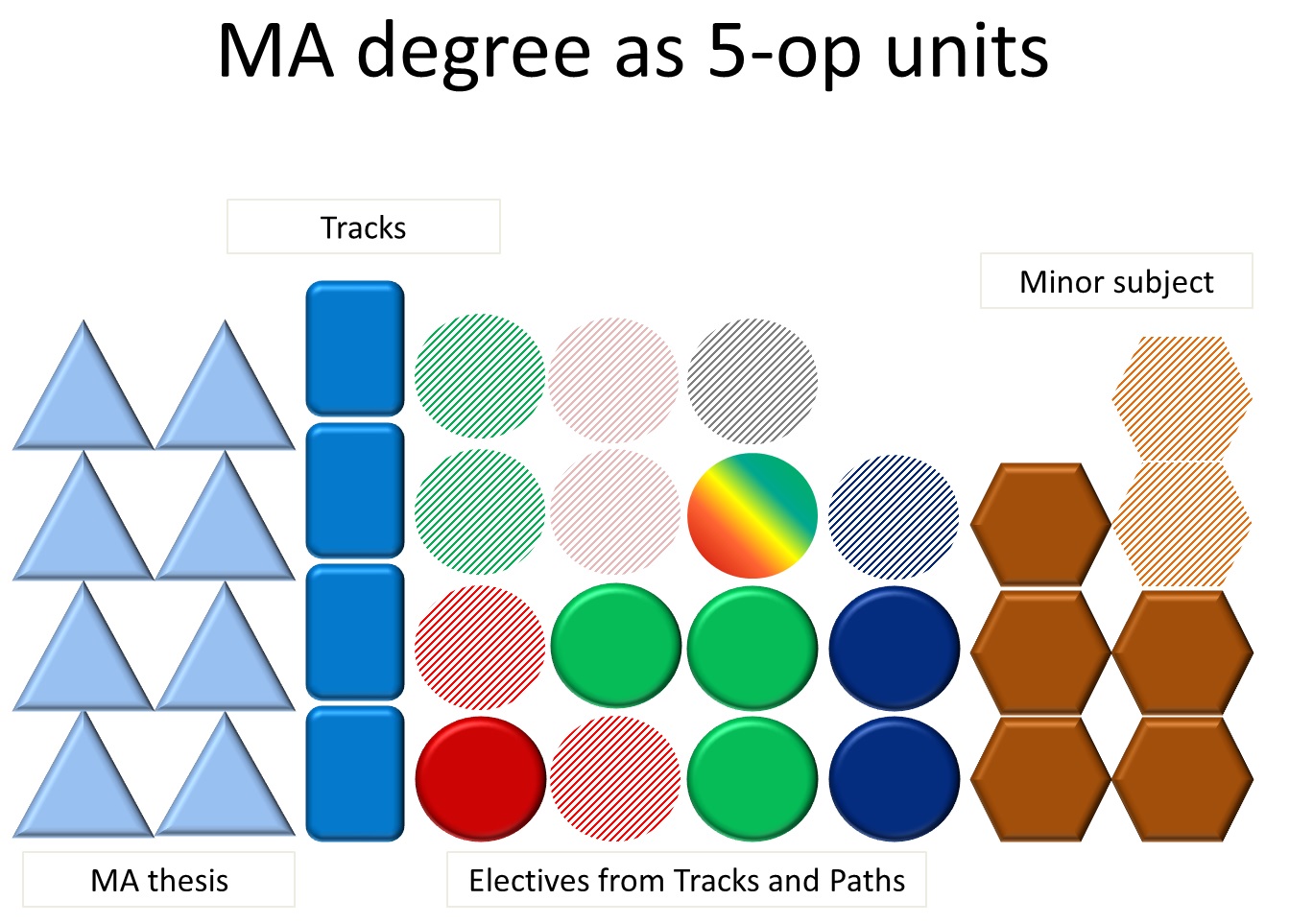
Not to worry: for the majority of English students, few things will change much. At the end of your BA degree you still choose the Track which you follow in the Department, but you will also choose a Path within the School: either Language Learning, Research, Language Specialist or Translation (the names of the paths may still be modified). Just as before, you select two Track-foundation courses, ideally in your fourth year, and subsequently the methodology course and thesis seminar that match your interests, organized by the Literature, SLA, Discourse or Philological Track. The rest of the Advanced Studies you can fill with courses from your selected Track and Path, the major change from the current system being that you can also choose some courses, projects and book exams offered by teachers from other language departments.

For new translation students the revised MA degree will look quite different though: practically all teaching on translation and interpretation topics will be fitted into a two-year programme, which means you can fully immerse yourself in the world of international communication at the Master’s level and also get to work with teachers and students from other language departments in a multilingual environment.

Overall, it doesn’t look bad, this brave new degree. However, a lot of details will have to be sorted out in the next few weeks. We will provide more information through official channels later this spring, and the New Curriculum will kick in after the summer.
Janne Skaffari

polulla

Upcoming event: MA Thesis Symposium

11 March, 10-12
Lecture room X

The first MA Thesis Symposium of the English department was organised last year. Six speakers, from different Advanced Studies tracks, gave a ten-minute paper on their pro gradu projects. The audience consisted of students and staff members, and many good questions were answered after the presentations.

The second MA Thesis Symposium will take place on 11 March, 10-12, in Lecture room X. Five speakers from different tracks have been invited to introduce their thesis projects (a more detailed programme will be published later). This is a great opportunity to hear about very different thesis topics and methods, and will no doubt be very useful especially to those students starting their pro gradu project soon. The event also offers a chance for the speakers to practise giving a talk in front of a friendly audience.

Students and staff from all departments are warmly welcome!

Hard Work Made Easy

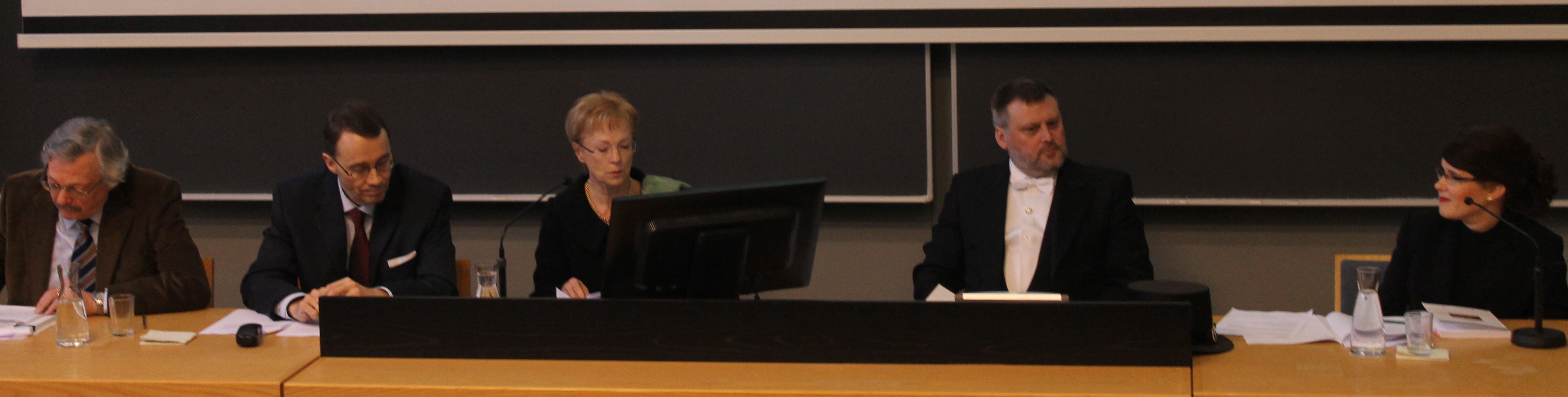
On the last day of January, 2014, a fifty-strong crowd gathered in the Tauno Nurmela auditorium to listen to the defence of Elina Siltanen’s doctoral dissertation “Hard Work? Reciprocal Communication in Contemporary American Experimental Poetry”.

IMG_5628

The opponent who discussed the dissertation with Siltanen was professor emeritus Charles Molesworth (Queens College, The City University of New York). An eminent scholar of poetry, he has published The Fierce Embrace: A Study in Contemporary American Poetry, as well as critical books on Marianne Moore, Gary Snyder and Donald Barthelme, and biographies of Alain Locke and, most recently, Countee Cullen (2012). He has also two poetry titles to his name, Common Elegies and Words to That Effect. In the 1970s, he served as a Fulbright Professor in Turku, and the reunion with former colleagues was an amicable one.

In Siltanen’s study, the focus was on the works of three American experimental poets: John Ashbery (born 1927), Lyn Hejinian (1941) and Ron Silliman (1946). A literary critic herself, she proposes – on the basis of the discontinuous and repetitive character of experimental poetry – new ways of reading poetry that do not require clear-cut interpretations nor consistent subjectivity

Siltanen was one of the pioneers in the inter-university scheme Cotutelle, which is an agreement between two universities for a double degree in both universities; in this case the University of Turku and the Luleå University of Technology in Sweden. For the defence, this posed a technological challenge as the event was simultaneously videoed to Luleå, and the Swedish grading committee was present in Turku and took part in the discussion after the opponent.

IMG_5633

The respondent was very lucid in her comments to the questions posed to her first by the opponent and then the committee. Afterwards, several audience members commended the discussion for its clarity, and especially the approachability of the introductory lecture by the doctoral candidate (lectio praecursoria) was acclaimed. It made the hard work easier.

It was with satisfaction that I concluded the defence.

Joel Kuortti
custos

IMG_5648
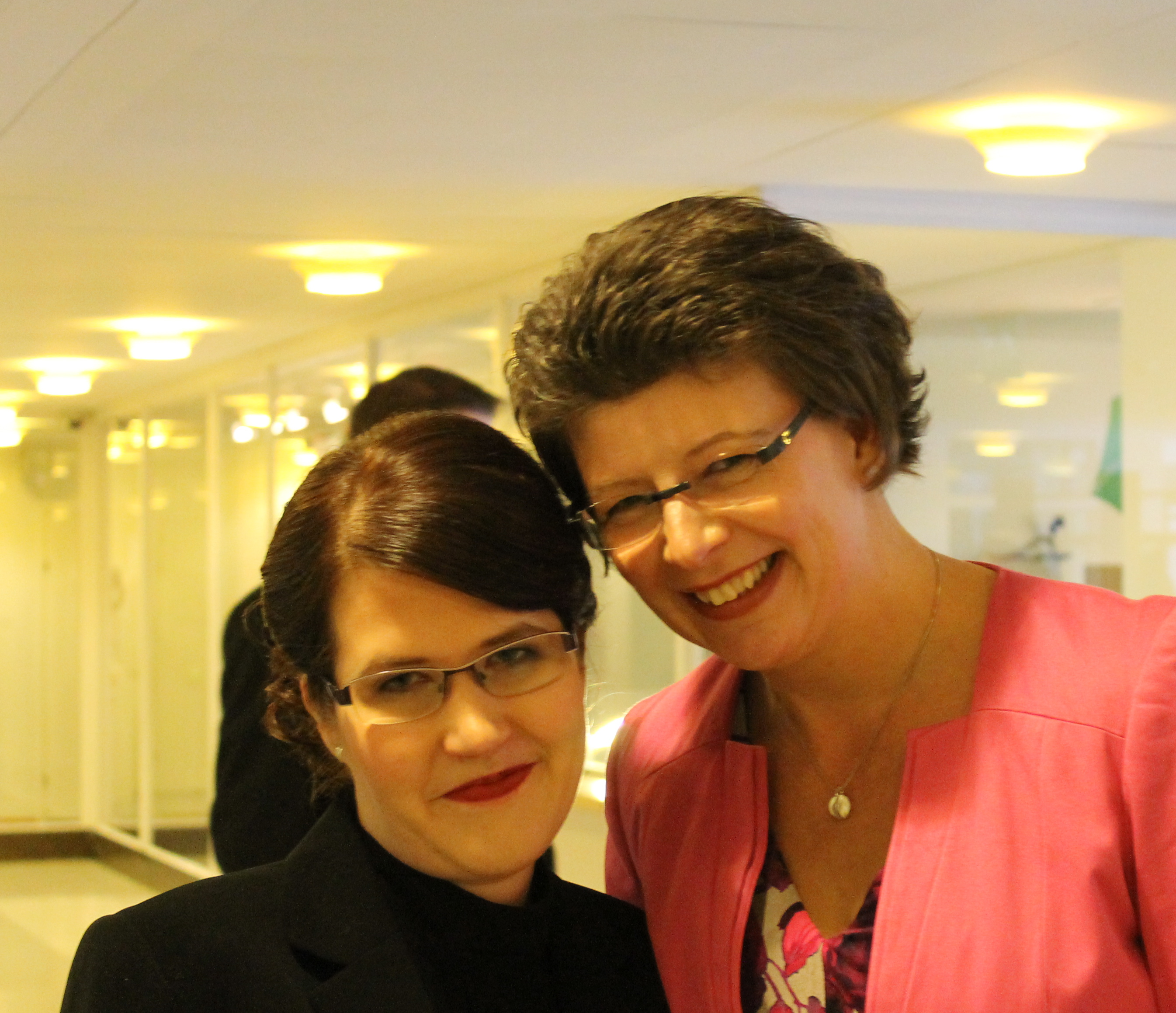
“What a long strange trip it’s been”, is a famous exclamation by Jerry Garcia, which the poet Ron Silliman adapted to his poetry. The sentiment might be shared by Elina and her supervisor, Professor Lydia Kokkkola.

Mixing and Switching

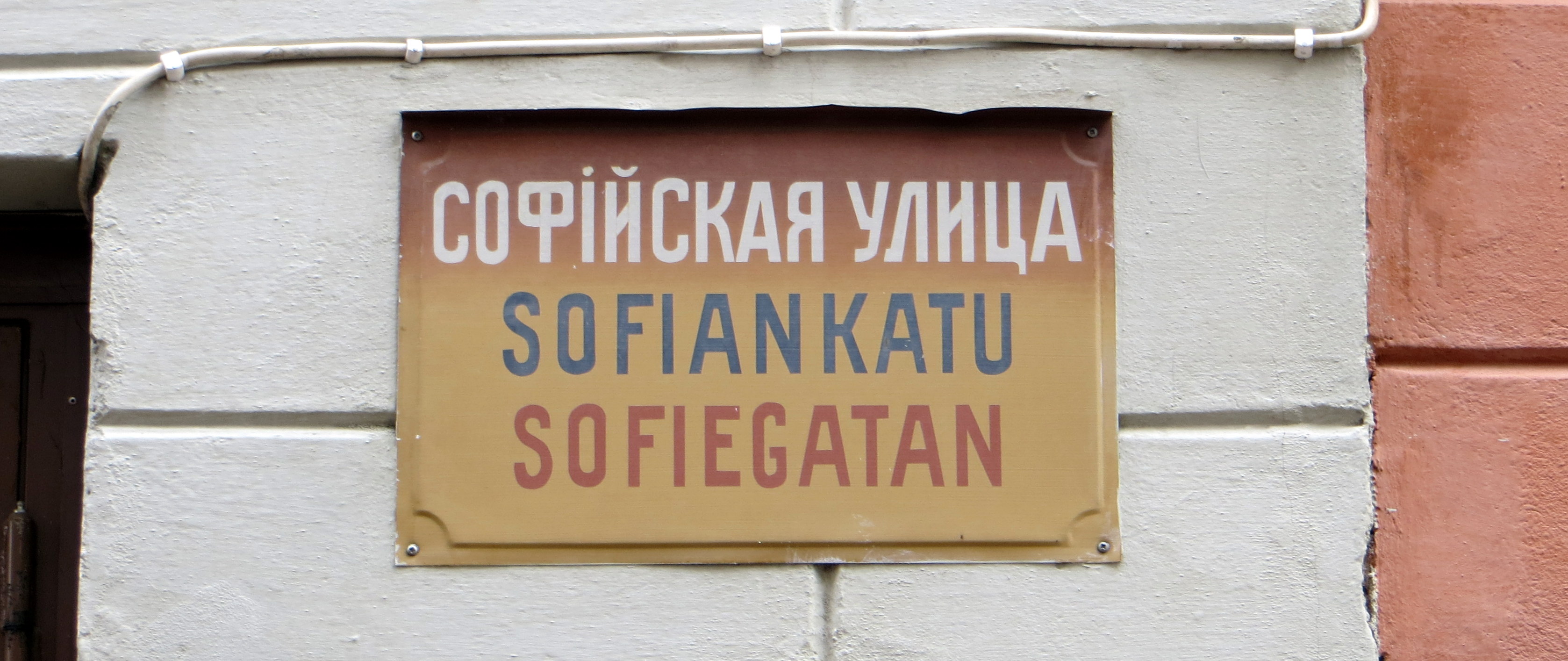
hel_sofiankatu

”Etkö voisi please auttaa tässä?”
”And then she was like, no ei se mitään.”

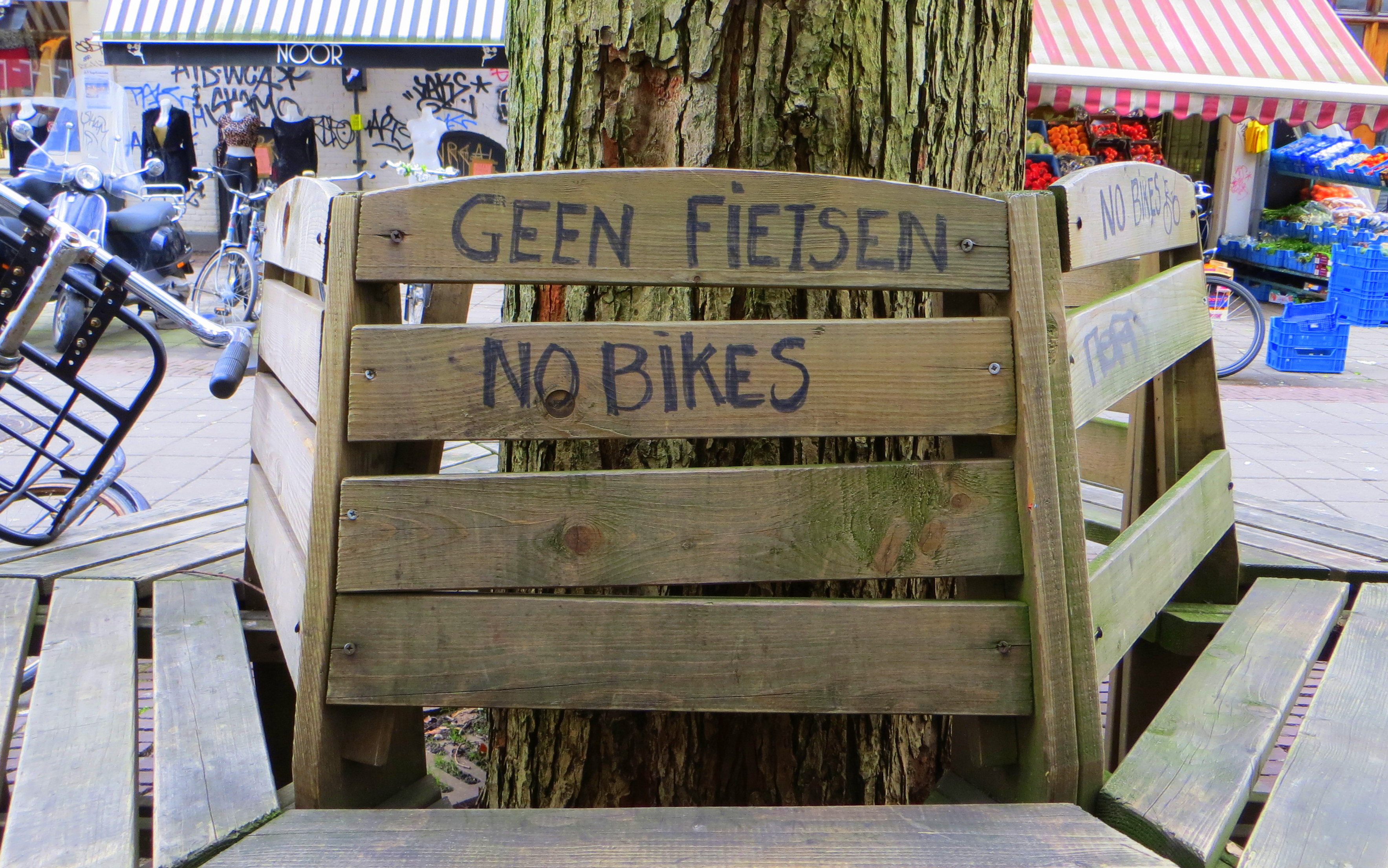
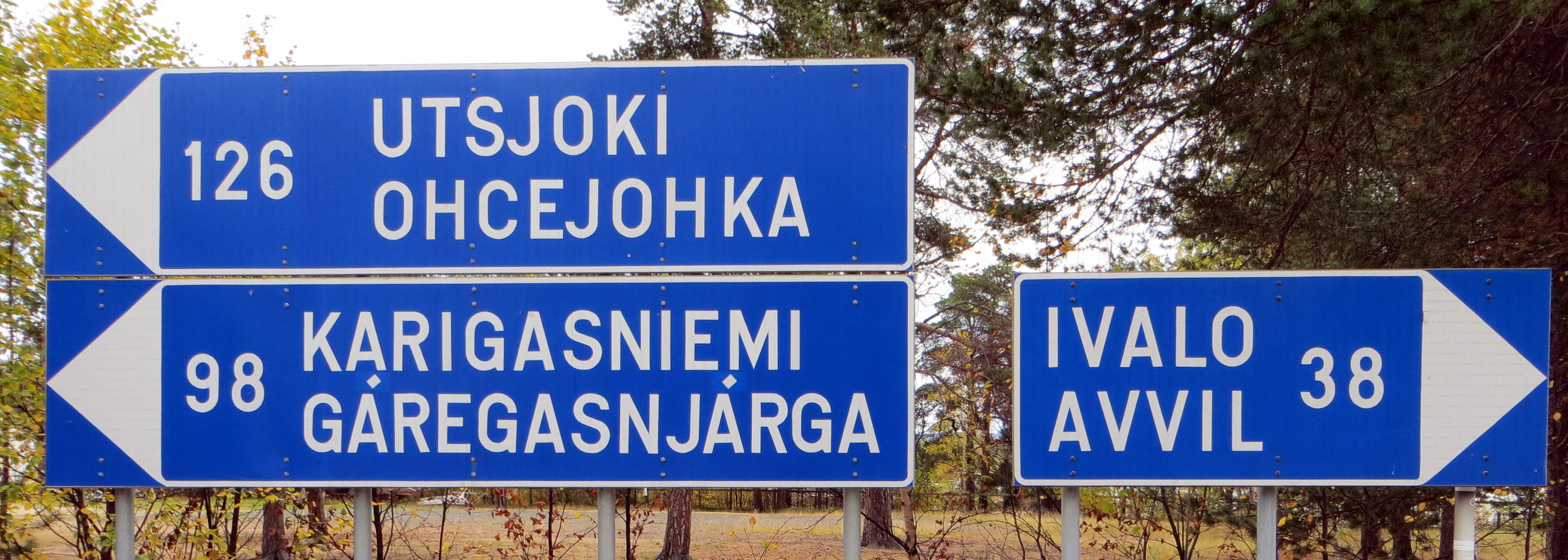
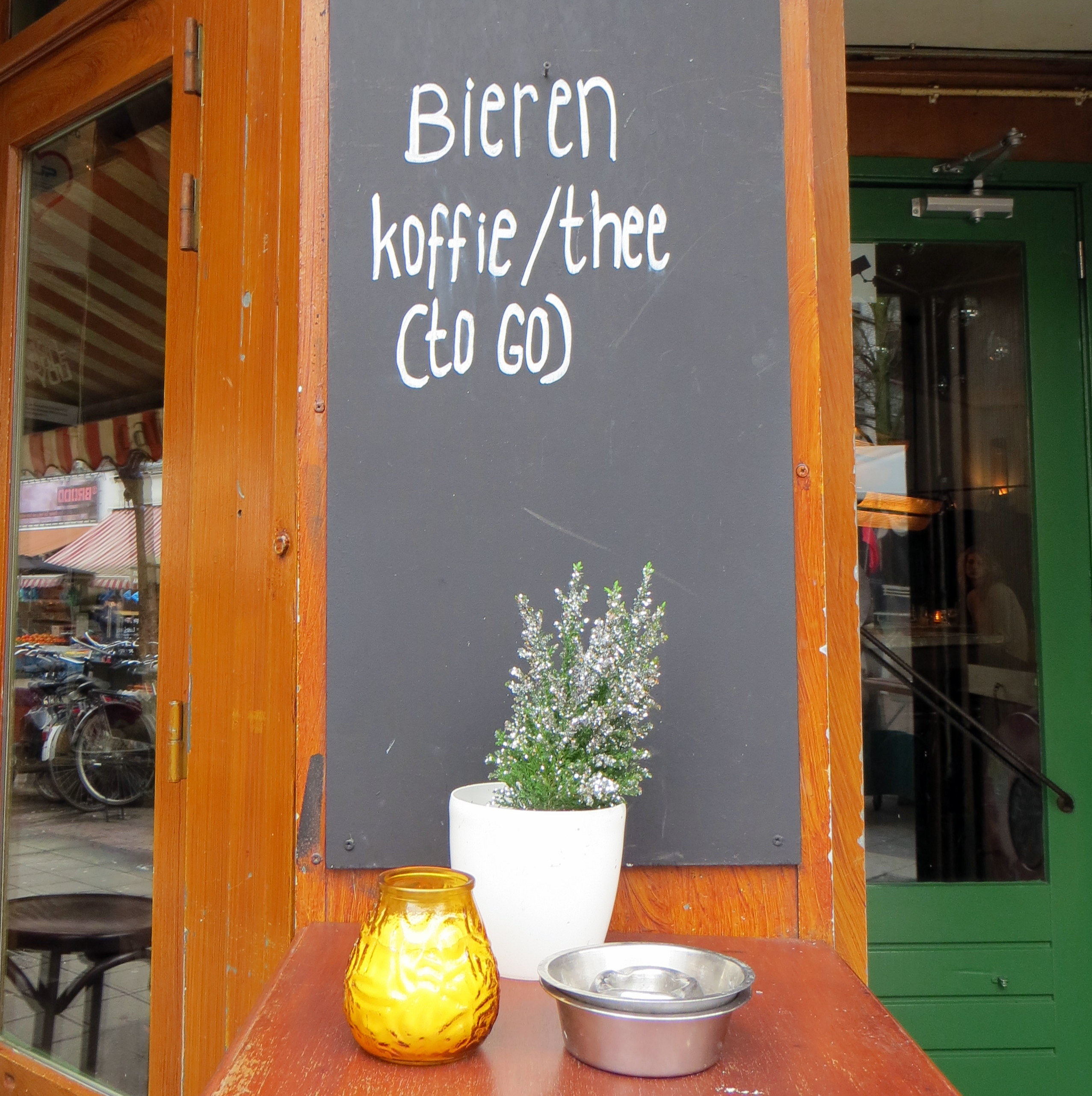
As language users – speakers, writers, listeners, readers – we are constantly surrounded by linguistic data, and some of the material we observe is bi- or multilingual. The examples above may not be authentic (as in ‘cited from a corpus of genuine conversation’), but they are certainly realistic (as in ‘I think I have heard something like this before, and not just once’). They exemplify code-switching, the use or two languages, dialects, language varieties or, more briefly, codes in a single communicative situation. People who know two or more languages are prone to code-switch on occasion.

ams_nobikes

The English Department offered a team-taught optional course on code-switching in the second half of the autumn semester, a unique enterprise bringing together eight teachers and researchers from the five tracks of the department. This ensured that the students were offered multiple viewpoints and approaches, ranging from written code-switching in medieval materials to multilingual practices in the EU to translations of postcolonial literature. One of the surprises offered in the lectures was that the use of students’ first language alongside their second or foreign language in the classroom also counts as code-switching, and that there are language classes in the world where the use of the first language is strictly forbidden – a feature not easily grasped by those who have learned English and other languages at Finnish schools.

lap_ivaloavvil

The course was well received by the nearly forty students who attended the lecture series. The participants were asked to write a variety of short texts about code-switching during the course and also to report on their own multilingual communication and the language-mixing they observed around them. Many said that they had not realized until this semester that code-switching was so frequent and had so many functions, and that it was such a huge issue that the six weeks of teaching were not nearly enough for a thorough survey. Indeed, several students have already chosen code-switching topics for their BA projects to be able to carry on with koodinvaihto research.
ams_koffietogo
Janne Skaffari

Our Literary Lady in London

DSC_0077

I still often think of the hours spent reading for my MA dissertation in the English department seminar library in Juslenia in 2007-2008. At least in two distinct ways, those hours were to have a lasting influence on my life.

First of all, they installed in me the desire to do further research. I had spent the spring of 2007 as a visiting student at King’s College London, where the thought of doing a PhD had gradually started taking shape. When I began to express interest in academic career, the staff members at our department in Turku were brilliant, offering me support and invaluable guidance without which I would not be where I am today. At KCL, I had attended a course on Proust’s A la recherche du temps perdu and Proust had been close to my heart ever since I started reading the Recherche at the age of 16. Once I began to think about a prospective topic for my PhD, Proust kept cropping up in every context. I had studied French as my minor (partly in order to be able to read Proust in the original language) and finally decided to apply for a PhD position in the KCL French department. My proposal was successful and a scholarship from the Oskar Huttunen Foundation enabled me to take this leap and move to London in 2009.

The other major impact those hours in the library had was my research topic. While at the time (reading for my MA thesis on Wilde) it seemed as if the books transported me into another time and place, what has actually remained with me from those hours is the psycho-physical context of reading: I remember the light, the temperature, the humidity, the smell of books, my excitement, and the changing of the seasons outside the window – all this much more vividly than the actual contents of the books. This realisation gradually became the crux of my PhD thesis – the highly individualised and potentially deeply revelatory memories that the reading experience may encompass.

IMG_1363

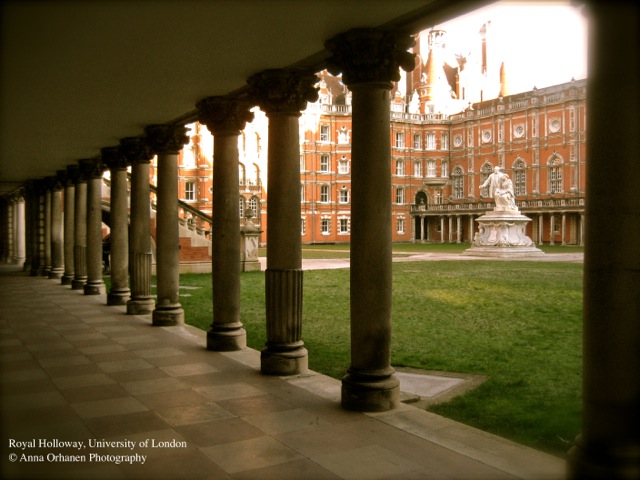
When I was finishing my PhD, I was approached by the Head of the French Department at Royal Holloway, University of London: due to staff migration, they needed someone to teach a module on Proust in the spring 2013. After a successful interview, I started as a visiting lecturer at RHUL and was consequently offered some more teaching in the Comparative Literature programme. I’m currently planning my first postdoctoral project on the imagery of breathing, and living in London has also given me a chance to pursue my other long-term passions as a free-lance photographer.

Still, with all the excitement London has to offer, sitting somewhere with a book in my hand continues to be one of my favourite pastimes. For over the years, Proust’s Narrator’s suggestion that reading offers us a gateway to our own reality by showing us the connection between our ‘immediate sensations and the memories which envelop us simultaneously with them’ – that an hour of reading is ‘never merely an hour’ – has proven immensely true to me.

Dr Anna Orhanen
Visiting lecturer at Royal Holloway, University of London
(Student at the English Department in Turku 2002-2008; Assistant at the English Department in Turku 2008-2009)
Anna was also a member of a research group in the department jokingly named ‘the Literary Ladies’.

DSC_0087 - Versio 2

Shakespeare’s Othello: Still Contemporary after 400 Years

The story is a familiar one: a father cannot approve of his daughter’s elopement with a powerful and ambitious military leader, who, despite his respectability and his service to the powers that be, remains a social outcast due to his race. One of this leader’s trusted advisors, who feels that he has been passed over for a promotion, slowly poisons his superior’s mind, finally managing to convince him that his wife has been unfaithful with another of his favored advisors. Despite the woman’s valiant efforts to defend herself and her reputation, the story ends in tragedy for all involved. Shakespeare’s Othello plays on the familiar themes of ambition, jealousy, and racial intolerance to create a tragedy that builds to its inevitable crescendo through Iago’s masterful and unfeeling manipulation and Othello’s unfortunate susceptibility to manipulation.

Othello was staged—or rather, screened—as part of the British National Theatre’s series of performances recorded live in London and presented in one-night-only screenings at cinemas throughout Europe. If you can’t make it to London, this may be the next best thing.

Director Nicholas Hytner’s adaptation of Othello does not so much “update” a classic by adding modern elements as it does reveal the lasting relevance of the play itself. Shakespeare’s original lines seem oddly appropriate to the production’s contemporary settings: the corporate boardroom, the modular buildings of a military base somewhere in the Middle East. Rory Kinnear’s Iago is chillingly self-satisfied while Adrian Lester’s Othello is frustratingly willing to be misled. Olivia Vinall is powerful as Desdemona, and Lyndsey Marshal’s Emilia lends great dramatic energy to the latter half of the play. The scene in which Lester’s Othello succeeds in strangling Vinall’s Desdemona is so stark and wrenchingly visceral that it is difficult to watch.

If anything, this production gets a bit carried away in furnishing contemporary details. (For instance, why is someone drinking something in nearly every scene—a cup of Starbucks coffee, as well as numerous plastic bottles of water, and several cans of Heineken? Such details almost become part of the play’s plot themselves.) All in all, though, this was a powerful production of Othello, and a rare opportunity to catch Shakespeare “live” in Turku.
Justin Parks

Click here for further info on National Theatre Live at Finnkino. Next shows: Macbeth Nov 18, Hamlet Dec 2.

Networking and applying linguistics

afinla-e
The Finnish Association of Applied Linguistics (AFinLA) organizes an annual autumn symposium. The symposium is this year organized by the School of Languages and Translation Studies at the University of Turku. We expect to have more than 100 participants listening to plenaries, presentations and workshops on applied linguistic topics.

The association is an important networking tool for anyone interested in applied linguistics. In addition to the symposium, AFinLA awards the annual Afinlandia prize for an excellent MA thesis within applied linguistics in Finland. Every three years an award is also given to an excellent PhD thesis.

To build networks between researchers interested in similar areas AFinLA has special interest groups (SIGs). At present, there are 5: Language Policies, Discourse Studies, Dialogic and Sociocultural Language Research, Assessment, and Teaching and Learning in a Foreign or Second Language. By becoming a member of AFinLA, you can also join the SIGs.

The membership fee in 2013 is 24 € (only 16 € for students!) – and if you pay only 10 € more, you also receive the AFinLA yearbook, which is published every autumn. It includes peer-reviewed articles of the top studies presented at the symposium. The yearbooks are a good way to see what is going on within applied linguistics in Finland. AFinla also has an electronic publication series AFinLA-e that also includes peer-reviewed papers that may not be directly related to the theme of the autumn symposium.

This year’s theme is Language Users of Tomorrow. This follows nicely from the earlier theme Language Learners of Today that was used when the symposium was last held in Turku. This also reflects linguistic thinking; we now are more and more interested in the future: What does language proficiency consist of in the future? What is the effect of digital environments? How does language use change in workplaces? Population is ageing, what are the effects on languages in society? Come and see!
Pekka Lintunen
Afinla-banner

Gradutalkoot Oct 18, 2013

Hackathon (from hack+marathon) is an event in which software developers collaborate on new projects for a set period of time. A hackathon usually starts with a presentation on the theme of the event. Then, teams are formed and work on the software projects is started. At the end of the event, results are presented.

Inspired by the hackathons organized in the IT world, our department organized an MA thesis writing day, ‘Gradutalkoot’. The idea of this event was to give our thesis writers an opportunity to work on their thesis in an organized and goal-oriented manner. The event was coordinated by Elina Valovirta and Mari-Liisa Varila from the Department of English; Outi Paloposki and Ira Hansen from the Department also participated in the event.
The staff members and 11 thesis writers (from different Tracks) met on Friday 18 October at the Paasikivi room of the Main Library.

We began by setting individual goals for the day – for example, how many pages each participant would write. Passages from Neil Gaiman’s pep talk for NaNoWriMo writers were read aloud for inspiration. Leena Järveläinen from the University Library helped us with information retrieval issues; she also briefly introduced the new ResearchGuides service of the University Library. This service groups together various search tools and databases available via our library; we recommend taking a look!

We made good progress during the morning and did a brief round of situation reports before heading out to Assarin Ullakko for lunch. After lunch, the writing work continued in good spirits. We had a short coffee break — sponsored by the Department — in the afternoon to keep everybody awake and busy. We ended the successful working day with a debriefing session, where we assessed how we managed to reach the goals we set for ourselves and discussed the next stages of our projects.

Everyone felt that the event was successful; the next Gradutalkoot will be organised on 5 December, 9-14. Another event to look out for is the Thesis Symposium, where MA thesis writers from different Tracks and in different stages of their projects discuss their work. The first Thesis Symposium was held in Spring 2013, and we hope to organize the second one in Spring 2014. More information will be available later!
Mari-Liisa Varila

thesisday
Happy thesis writers hard at work.

Pumpkins are smashing: Happy Halloween!

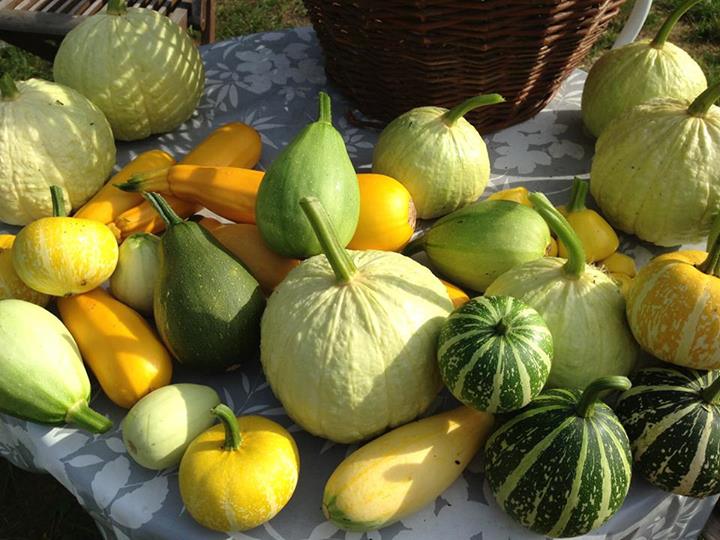
squash1Pumpkins or squash, most often those belonging to the cucurbita pepo family, are plentiful this time of year. From summer squash (also known as zucchini in the US and courgette in Britain) to ornamental gourds and giant pumpkins, they grow well in Finland and are a delight for children and English scholars alike.

Pumpkins and other cucurbits have a vast cultural history in art and literature. Just read Ralf Norrman & Jon Haarberg’s book-length study all the way from 1980 on cucurbits in literature and you’ll be astounded how ubiquitous they are. Shakespeare, Milton, Ancient Greeks, the comic Peanuts — basically everyone — makes reference to pumpkins, cucumbers and melons. And guess what? You’ll probably not be surprised to learn that they are very sexy vegetables, what with the cucumber’s phallic shape and melons reminding you of — you get the drift, and so did writers back in the day as well as today.

Pumpkins are also hilarious if you want to mock someone, for who wants to be a pumpkin-head? Pumpkins “are ridiculous in their own right”, the above pumpkin scholars note in their book. For example, Nixon’s opponents in the 1960s presidential elections had a field day with a newsreel from a decade before, where he demonstrated with a pumpkin how communists can hide their devices anywhere, even in an innocent pumpkin just sitting at your desk! This incident makes the writers wisely note, that “anyone with political ambitions should stay away from pumpkins”. As pumpkins are everywhere, this is a hard task indeed to accomplish.

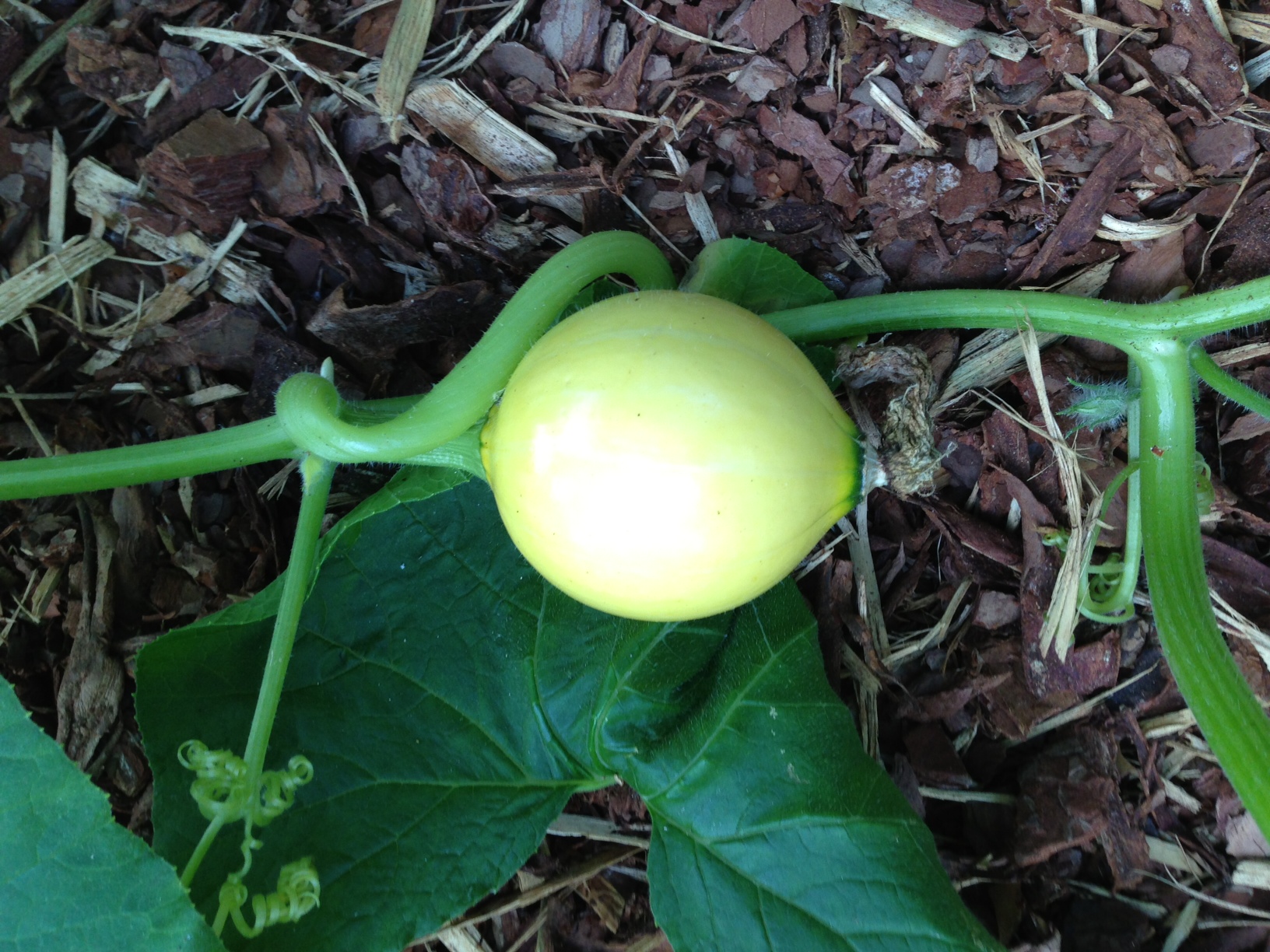
Not only are pumpkins fun as a literary theme, but they are also a lot of fun to grow as they go fairly fast from this:
squashbaby2


to this:

squashbaby

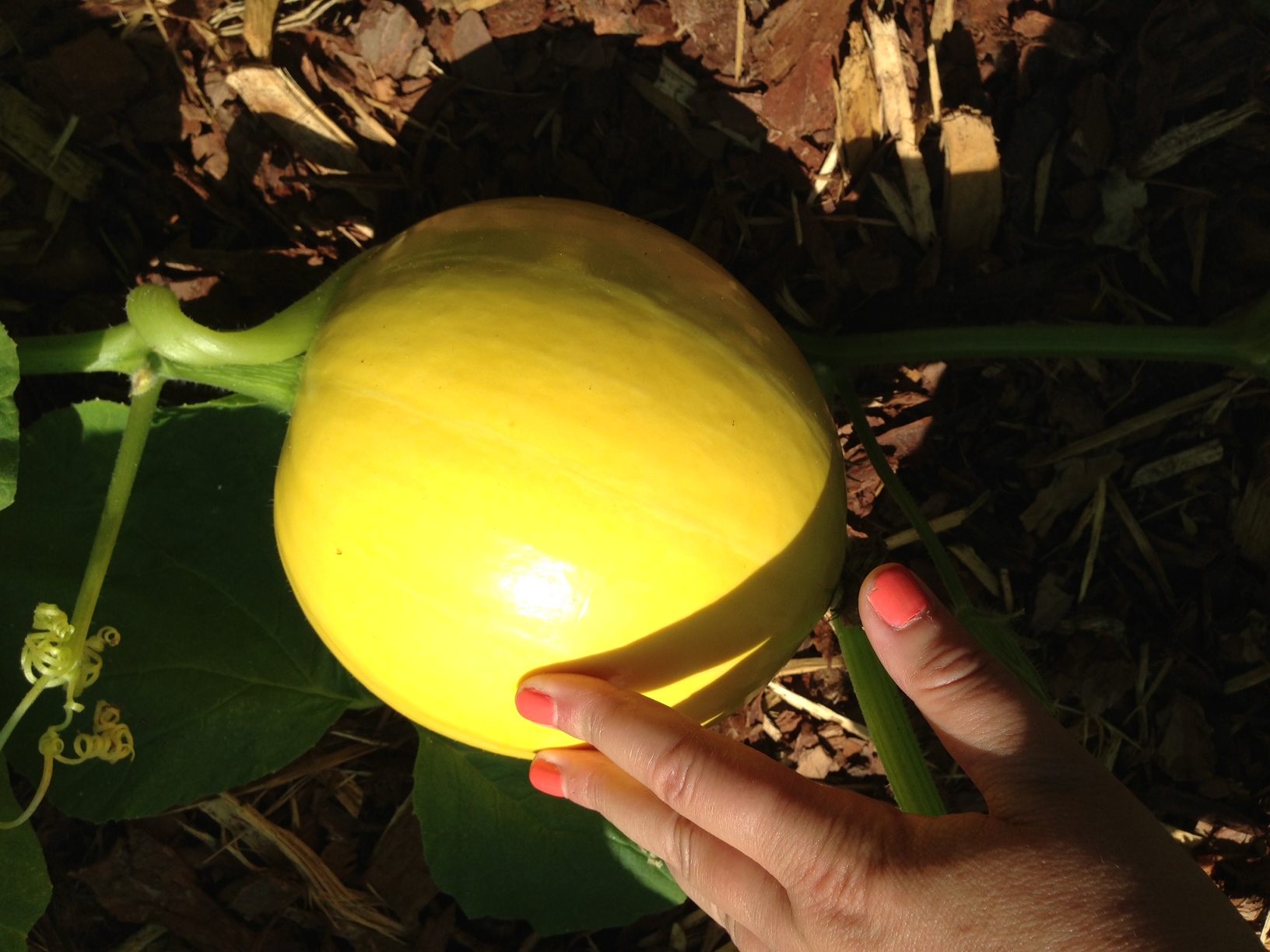
all the way to this and beyond:

squash2

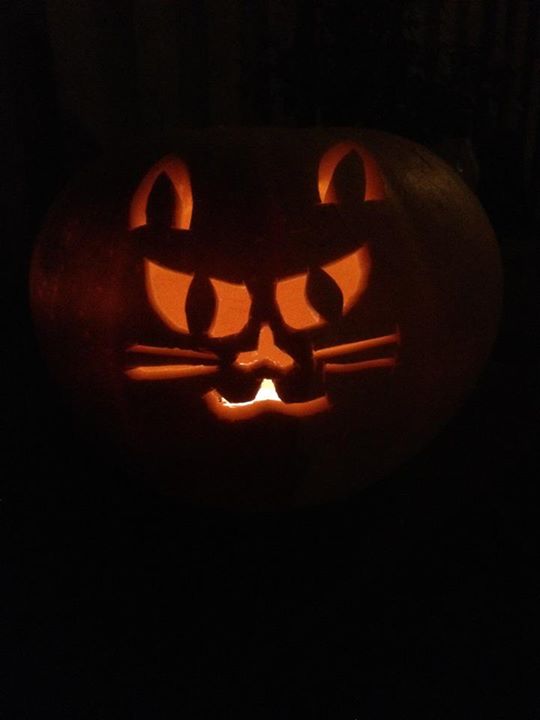
Jack O’Lantern is the classic American Halloween decoration. Just empty a pumpkin and carve a scary face on it. If you have smaller pumpkins, you can use a LED candle instead of a real one and you’ll be ready for the onset of kaamos, the winter darkness period gracing Finland from November til February. You might not have much light, but you’ll always have the funny, sexy, literary, and political careers-destroying pumpkin.
kitty1

Source: Norrman Ralf & Haarberg, Jon. 1980. Nature and Language. A Semiotic Study of Cucurbits in Literature. London: Routledge & Kegan Paul. p. 77

Photo credit: Elina Valovirta