Seven Wonders of the Frankfurt Book Fair

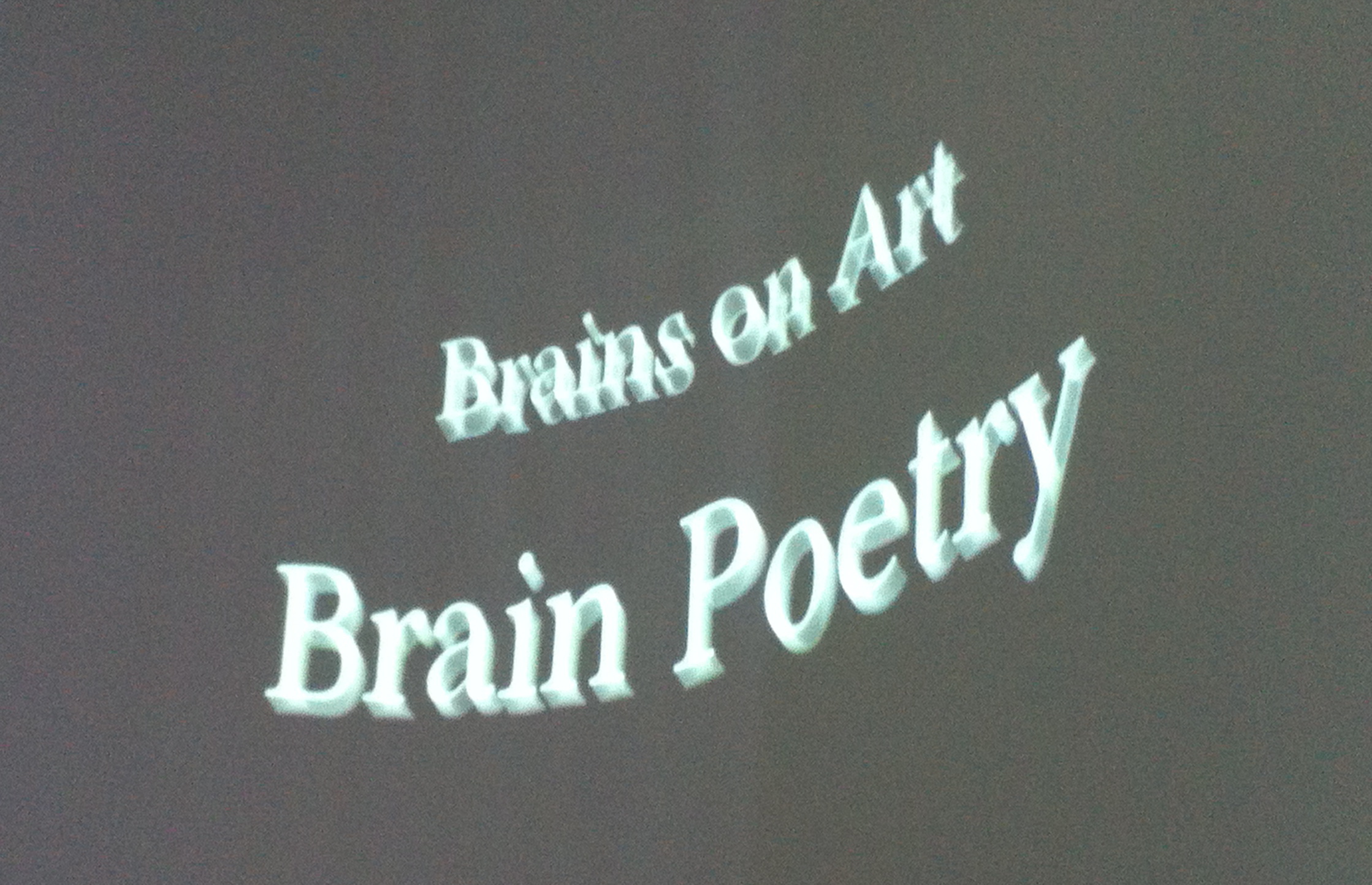
Have you ever considered how brain waves can be transferred into poetry? Don’t worry. The Helsinki-based Brains on Art collective has solved the problem for us. With the help of a tinfoil hat – i.e. a sensor helmet – and computer magic, brain waves create poems. This is first of the wonders I found in the Frankfurt Book Fair 2014 where Finland was the Guest of Honour.
brainpoetry
As I strolled the numerous halls and miles upon miles of corridors, I tried to locate the allure of this world’s greatest book event. The sheer size is the second wonder – 270 000 visitors during five days. There were mini-buses and modern cycle rickshaws to transport you from hall to hall.

Thirdly, I could mention a feature that was very welcome after dragging your feet around for hours. At least in two places there were massage points where you could get a 15-minute neck and shoulder rub for a negotiable fee. Body and soul indeed.

The fourth point is quite unbelievable. I did not buy even one book during my three days in the fair ground. Not due to abstinence but because the event is basically a trade exhibition with very little actual book selling. Business is done between publishers, agents and other book industry representatives.

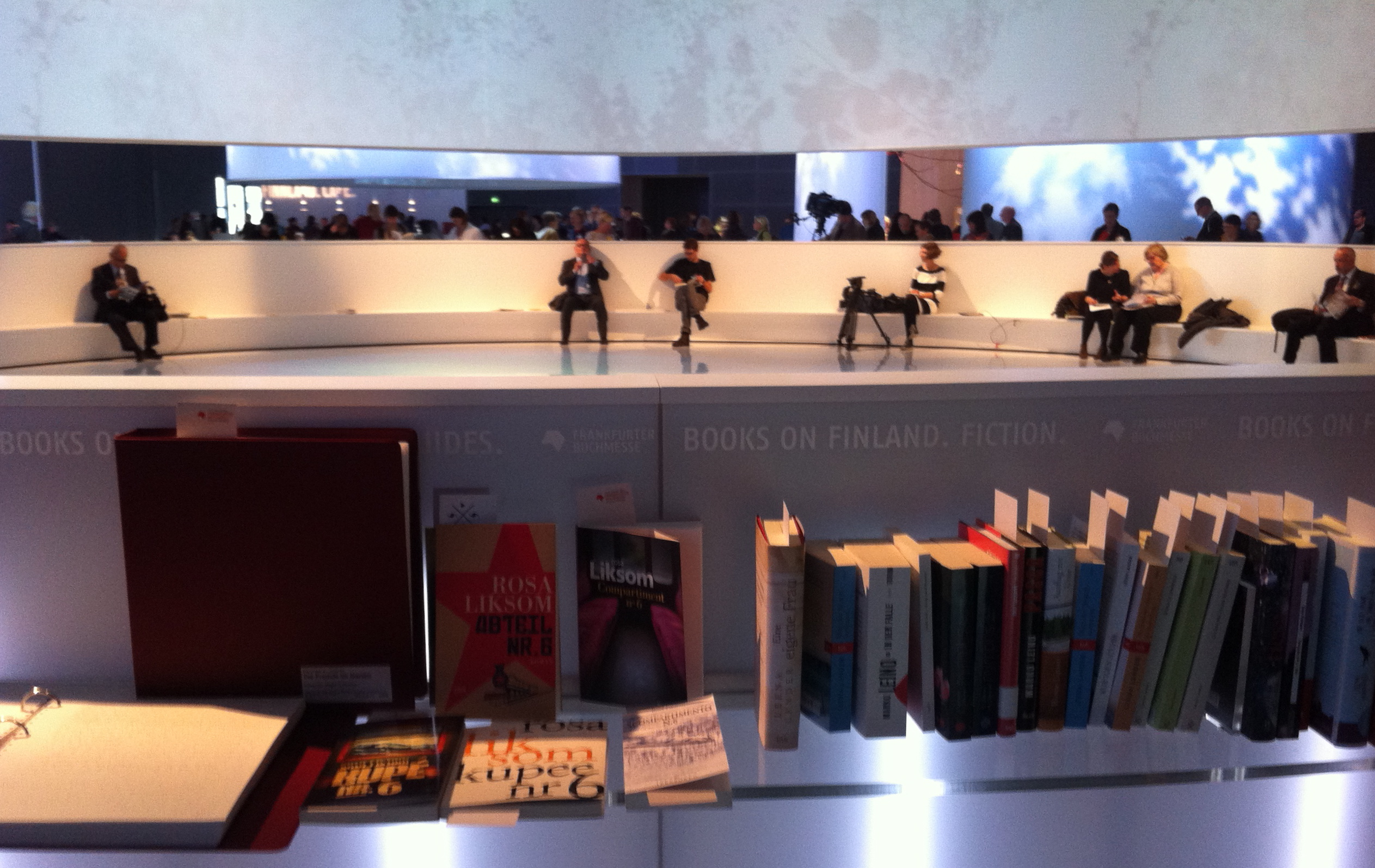
As the fifth wonder, I must mention the extent to which translators and translations were present. This could be seen everywhere but particularly in the Finnland.Cool (yes, that was the motto) Pavilion where the centre sphere displayed nearly a thousand books on Finland and translations of Finnish literature.
frankfurt
As the sixth point, I was very pleased to see that the Helsinki City Library had driven their Mobile Children’s Library bus Skidi to Frankfurt. How cool is that!

The seventh wonder is no doubt book itself. With all the talk about the demise of the traditional format, book seems to be stronger than ever. Evidence to this could be seen in the stalls from all over the world, in any number of languages, in whatever genre, with whichever type of layout.

Oh, and if you want to know how my EEG translated into poetry, here’s the result:

I am waiting weeping watching for Thee
I have not forgotten it thou’lt do me
I have no name
I could lie down like a tired child

(Obviously, the computer cheats, so can you crack this and recognize the original poets/poems?)

Text and photos: Joel Kuortti

The world’s knowledge, and some cakes

lnt_britlib

I’m doing something I probably shouldn’t be doing: writing a blog entry under the watchful eye of George Bernard Shaw (well, his bust really). This is the Manuscripts Reading Room in one of my favourite buildings in London, the British Library, next to King’s Cross and St Pancras stations. I have been coming here every now and then for years, since soon after the building opened in the late 1990s.

So it’s a library. It’s the largest one in the world; no wonder the BL’s motto is ‘Explore the world’s knowledge’. For someone who needs to read texts written centuries ago, there is no single place that would have more to offer. To me, the BL also feels like a little piece of Nordic calm in the middle of a hectic city, and indeed, Colin St John Wilson, the architect who designed it, was inspired by Alvar Aalto. However, the BL is not like an Aalto building: it is more ornate and somehow warmer. Not everyone likes the look of the building; scathing remarks have been made by, for instance, the Prince of Wales.

The spaces that I spend time in include the Manuscripts and the two Humanities Reading Rooms, the last two often crowded yet quiet enough, the Manuscripts room a haven of peace – a great place for working. Academic study aside, you can practically live on the premises. When you feel peckish or have a sudden craving for coffee or cake – and cakes are very important if you are in English studies – you can choose where to have your Chelsea buns and soya lattes: there is a restaurant and three cafés, two of them outdoors. If you have a reader’s ticket and prefer a cheaper snack, you can pop in the Readers’ room (with a roof terrace but not much of a view) and make use of the vending machines.

The cafés are open to all visitors, not just registered readers, as are the exhibitions rooms and the shop. There is plenty to see in the gallery for an English student, from the Beowulf manuscript to drafts of some of the greatest pop songs of the 20th century. To have a look at some of the BL’s collections, you don’t even have to leave your home: simply click at www.bl.uk.

Back to research then. Resting on the cushion in front of me is a book from the early 13th century, hand-written of course, and the only existing copy of the text in the world. This is indeed a house of treasures.

Text and images by Janne Skaffari

lnt_britlib_hall
An inside view of the British Library hall, by an insider.

How languages are learnt

It’s Christmas in September for anyone interested in language learning and teaching! A few years ago, the Department of English was actively involved in a popular course Language Teaching and Learning, which was a team-taught course for language and education majors. We are happy to announce that the contents of this course have now been published as an up-to-date book textbook. This is a textbook in Finnish with a target audience of teachers, students considering a teaching career and anyone generally interested in language learning and teaching.
KKO
The new book Kuinka kieltä opitaan: opas vieraan kielen opettajalle ja opiskelijalle (published by Gaudeamus) was edited by Päivi Pietilä and Pekka Lintunen. The authors come from the University of Turku and Helsinki and represent didactics and different language departments.

The chapters discuss the nature of language skills, learners’ individual differences, theories of language learning and methods of language teaching. There are separate chapters on the teaching and learning of grammar, vocabulary and pronunciation of a foreign language. The book also includes a chapter on the role of culture in language teaching and, as a final chapter, an introduction to language assessment.

Turku University and the Department of English have always been active in teacher education and language learning research. Nowadays researchers are also encouraged to publish in Finnish and with a wide target audience in mind. After all, societal interaction is, in addition to research and teaching, a key function of a Finnish university. The new publication is a way to distribute the latest theories and research findings in a reader-friendly format.

The book includes reflective tasks after each chapter to help the readers in their own learning process and a lengthy list of references for the more research-oriented readers. And if September is too early for you, you can always add the book into your Christmas wish list.

Text by Pekka Lintunen
Editors’ photo by Outi Kitti/Gaudeamus.Kielenopettajat_Kuva_Gaudeamus_RGB
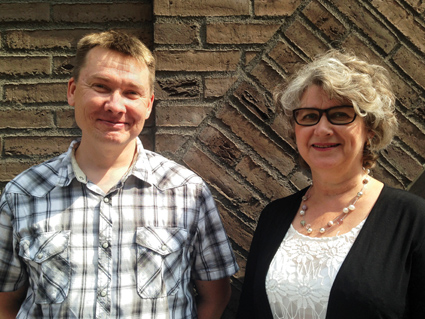
The book’s co-editors, Pekka Lintunen and Päivi Pietilä.

To new beginnings!

A new term is beginning – for the new arrivals as well as for the returning students and staff. New acquaintances will be made, new faces will become familiar, and old faces will gain new features. There are many new teachers in the staff, who will inevitably bring new ideas with them. We look forward to that, too.

New courses will start, and new types of collaboration between departments will grow during the term. This is instigated especially by the introduction of a new type of syllabus in the Master’s studies, consisting of four study paths: Language Learning and Teaching Path, Translation and Interpreting Path, Language Specialist Path and Researcher Path (see the blog text of 7 March 2014). Nobody knows for sure what lies in future but I am confident that the result is something good and beneficial, worth all the while that was spent in creating the system.

With all these new aspects and people, at least one thing remains the same. That is the warm, lackadaisical yet academic atmosphere of the English Department. While we aim high in teaching and research, we do not forget the light side of life. And that is brought on board by all of you.

“It’s a very good thing, really. I’ll be seeing lots of new things, a lot of new creatures.” (Kurt Vonnegut, The Sirens of Titan, 1959)

Joel Kuortti
Professor, Head of English Department
Head of School of Languages and Translation studies

humanists2
Turku humanists.
Photo by Joel Kuortti

Festschrifts and academic festivities

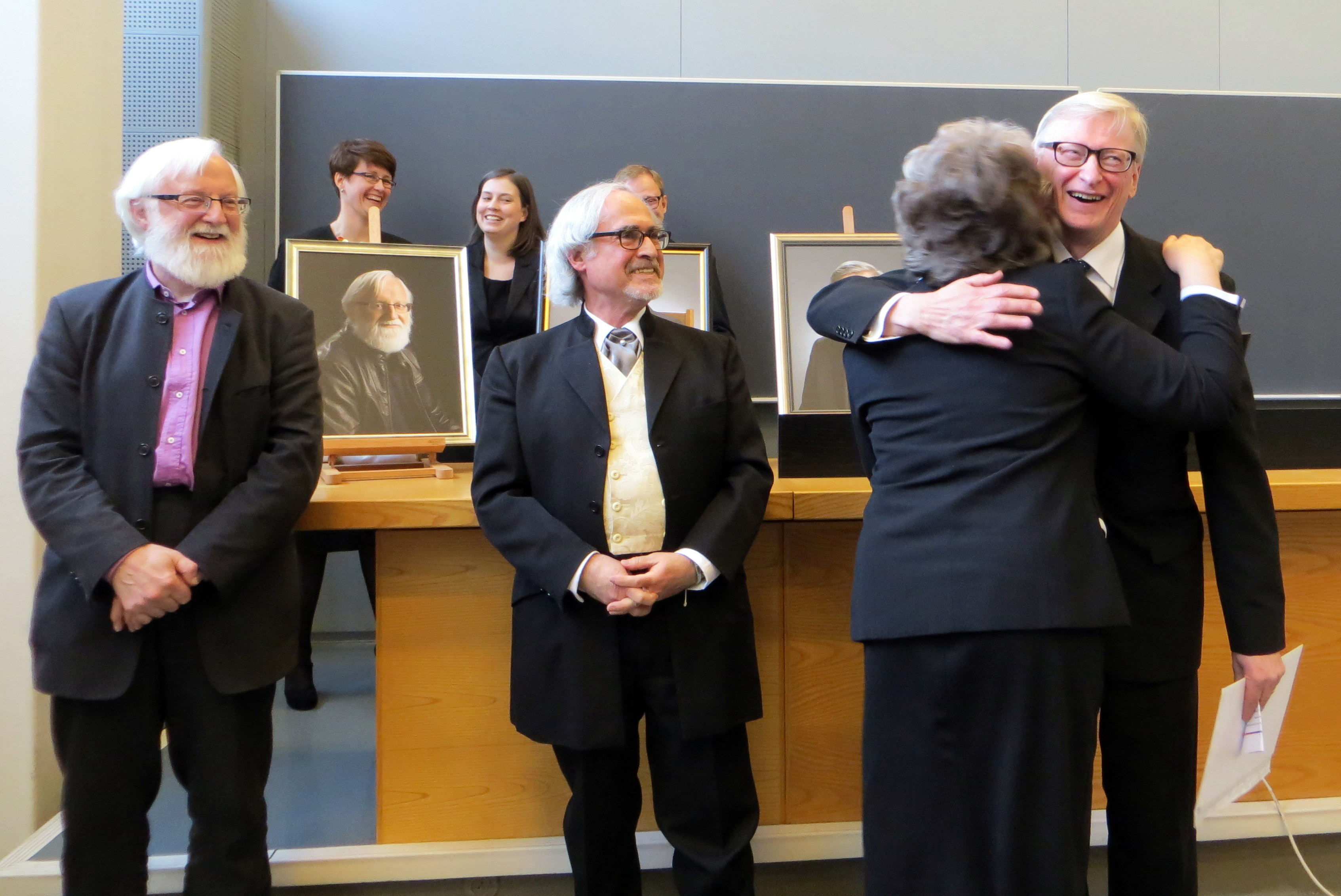
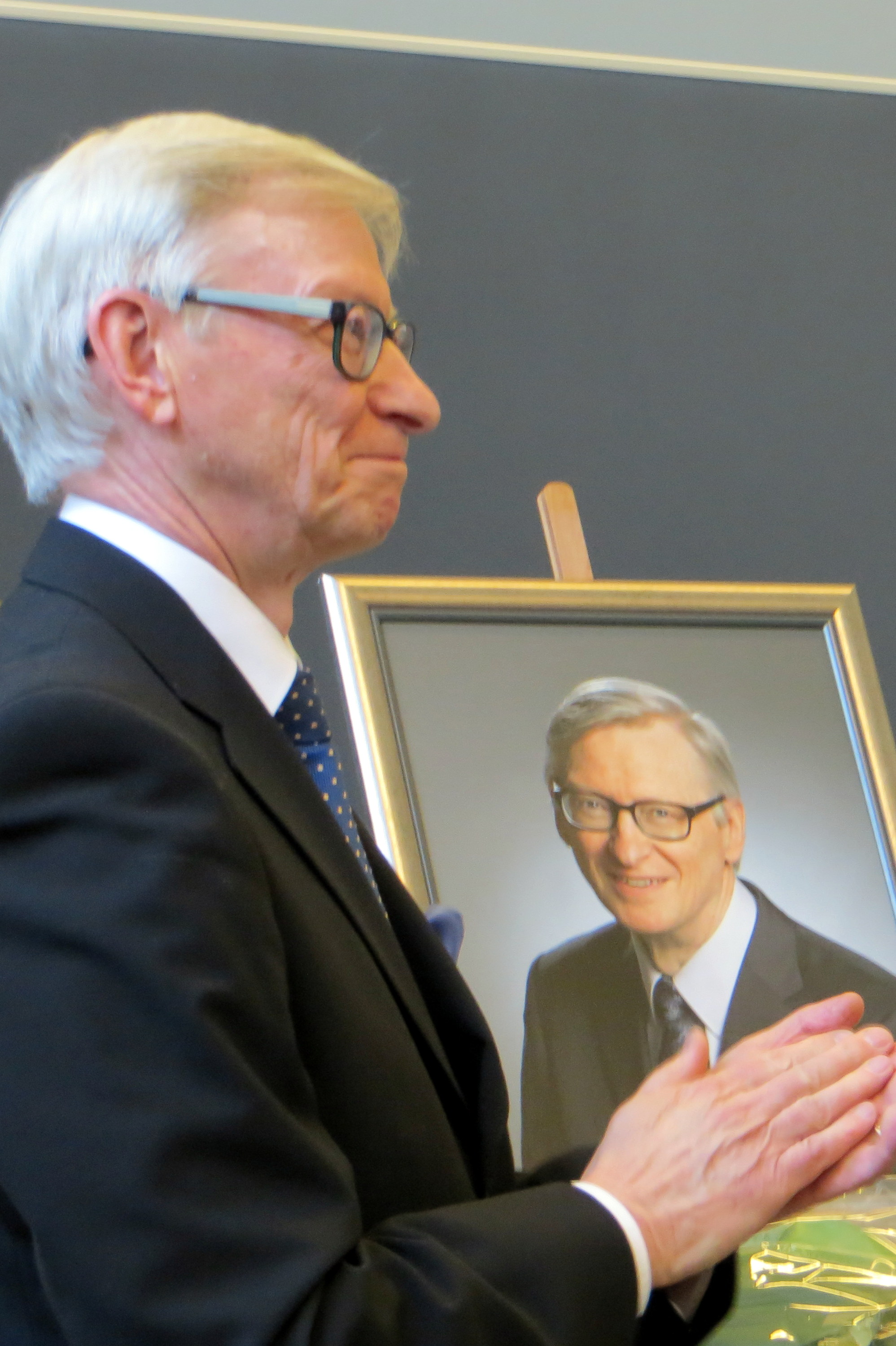
One catch-phrase nowadays is that universities are dynamic. Indeed, there are many changes going on during each academic year. But there are also traditions that are valued by the academic community. For instance, the academic year has the opening ceremony in September and the graduation ceremony, publiikki, in June where new MAs are celebrated. In addition, professors give inaugural lectures when they are appointed. They also give a valedictory address when they retire as we have seen this spring with our Professor Risto Hiltunen (see earlier post)

.

Another academic tradition that the English department is following this year is that of a Festschrift. Festschrifts are commonly collections of articles published to honour a professor’s (or another academic’s) birthday or retirement. You can often recognise these when the name of a book says, for example, “essays in honour of”. When Festschrifts are published as books, they usually contain articles by the closest colleagues, collaborators and former doctoral students of the honouree. It is also common that the books are thematic and related to the honouree’s research interests. They may also include a biographical note and a tabula gratulatoria, which is a list of academic friends and colleagues who wish to congratulate the honouree.


A large part of universities’ funding is based on the publications we produce. After all, university teaching is based on research, and professors and lecturers are also active researchers. For funding reasons, it is better to publish articles in refereed journals. This means that many Festschrifts have also changed into a different format. Journals and publishers sometimes allow Festschrifts to be published in their series.

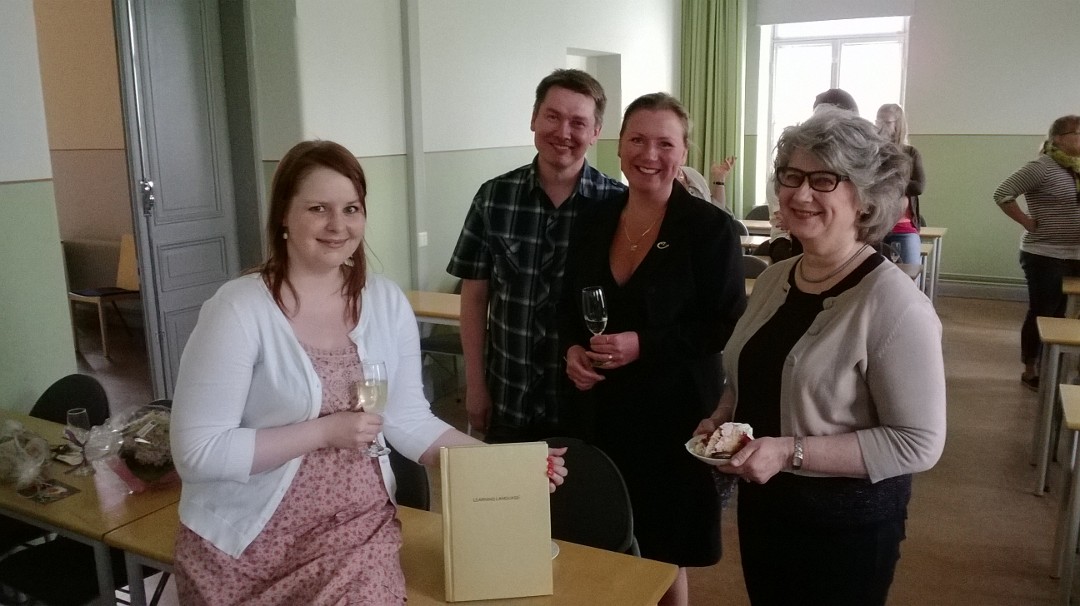
This year, we have the pleasure to publish another Festschrift, this time to honour Professor Päivi Pietilä. The theme is language learning, which is approached from many perspectives in the ten articles in the collection. The collection is a special issue in the AFinLA-e publication series and available for free here. Importantly, the Festschrift is a surprise gift to the honouree, so if you sense an air of secrecy and whispers along the corridors, chances are there is a Festschrift in the works. This time, the secret was luckily preserved until the end; to celebrate Päivi’s milestone in life, the editors gave her the manuscript as a bound golden thesis. With this publication, we want to congratulate Päivi and offer those interested in language learning many inspiring new studies to read.

V__570A
The editors of the journal special issue, Pekka Lintunen, Maija S. Peltola & Mari-Liisa Varila with Professor Päivi Pietilä, the Festschrift honouree.

Text: Pekka Lintunen
Photo: Janne Skaffari

A Day to Remember

What happens when three professors of the School of Languages and Translation Studies retire at the same and give their valedictory addresses in the same room?
rh_muotokuvat

rh_halaus

There is of course a full house, with colleagues, collaborators, students, friends and family in attendance. The addresses are full of memories from the professors’ long careers, both personal recollections and accounts of the many changes in their respective fields of research and in university life in general.

rh_yleisoa

And then there is the question of code choice: what should the language of the ceremonies be? We do not have to hypothesize about this, however, as we already know what happened when Professors Risto Hiltunen, Yves Gambier and Luigi de Anna gave their valedictory addresses in Room I in the University Main Building on 14 May, 2014. In spite of their different mother tongues and departmental working languages, all three professors gave their addresses in English, which was the dominant language of the festivities: most of the other speeches that afternoon were either English or multilingual. This interesting case of code-selection clearly reflects the role of English in academia, including our own School.
rh_eija

rh_laulua

The multilingual (but dominantly English) festivities were by no means over once the speeches had been given in the afternoon. To celebrate Risto’s successful career and express our gratitude for having had such an excellent boss for 26 years, we threw him a surprise party in the evening – in Turku Castle, no less. Risto was fetched from his home, driven around the city blindfolded and eventually dropped off at the Castle. Upon entering, he was met by his jubilant colleagues, dressed to the nines (which in a Finnish academic context means not only formal dress but top hats and swords), after which he and his wife were invited to slip into medieval attire. The whole party were then taken on a guided tour of the Castle, the highlight of which was Risto being knighted in festive ceremony. What followed was a medieval banquet in the Queen’s Chamber, with an assortment of dishes served on rye bread instead of plates, several speeches and some musical entertainment. As the dinner ended and we left the Castle at eleven, we were greeted outdoors in the May night by the full moon and blackbirds singing – a wonderful way to finish a memorable day of celebrations.
rh_kaksi

Text & Photos: Janne Skaffari

”Once upon a Time There Was University: Yliopistoon! To the University!”

Yliopistoon

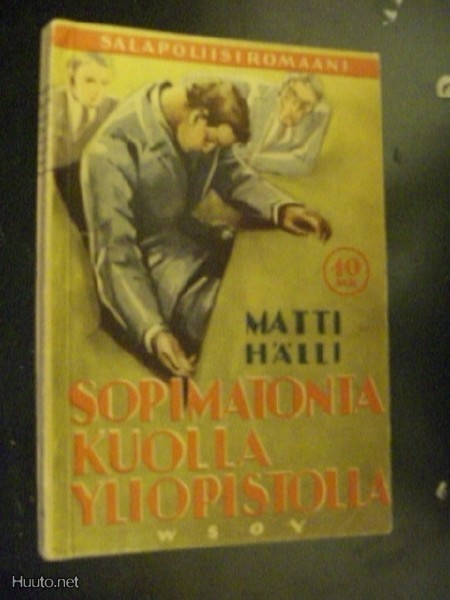
In the summer of 2005, I happened to read a Finnish detective novel by Matti Hälli, titled Sopimatonta kuolla yliopistolla (1943) [It Is Unbecoming to Die at the University]. The text intrigued me so much that I wrote a short piece on it to the University Employee Unions’ magazine, Acatiimi. What was then just an occasional piece has become a long series of texts – still continuing. After 50 articles, it was time to collect the pieces together – with some new material. The result is now a book called Yliopistoon! Kaunokirjallisia kuvauksia akateemisesta maailmasta (Gaudeamus 2013) [To the University! Fictional Accounts of the Academia]. Basically, I deal with novels and poems from the 14th century until the present day in which university, academic environment, and/or student life is in some way represented, lived out.

Halli

What I find most interesting in my explorations into the stories about and around Finnish universities (and a couple of detours into Nordic academic life) is that university life has not changed that much during the centuries. Sure, the physical environment has changed tremendously but the basic need to gain knowledge, the epistemological drive, as well as the requirement to educate students for the purposes of public life, has remained so recognizable throughout the ages.

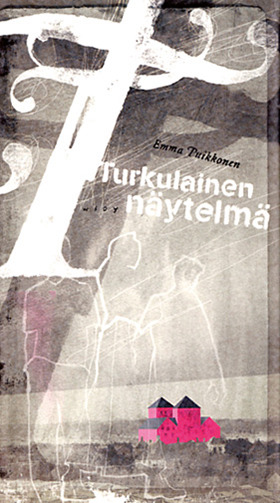
In literary representations of university life, there is no end to murders, love stories, tragedies, parties, money troubles – or even studies. As an example, we can take for example the young writer and dramatist Emma Puikkonen who in her debut novel Turkulainen näytelmä (2001) [A Drama in Turku] combines contemporary student life with a story set in the Turku of 1590s. The protagonist, Nadia, takes part in a play by the Turku Student Theatre: Josef Julius Wecksell’s Daniel Hjort (1862). Nadia calls it the first Finnish tragedy, a Turku version of Hamlet. It is a story of Daniel Hjort and his beloved Sigrid Stålarmintytär, played by Nadia.

Puikkonen

Nadia’s story is about identity crisis, about a Hamlet-type of person (not Ophelia) who is uncertain. She dreams of meeting one of the innumerable young, talented, dark-eyed, and anxious poetry boys Turku teems with. Her aimlessness is amply illustrated in her ride on the föri ferry as she goes back and forth without alighting. She watches the Art Academy students on the other side of the Aura river heading for the old rope factory, and the students of the (then three) universities on the other side cycling up “to the lecture halls and paper smell, the recluse research chambers which breed love for Sartre, bylaws or quantum mechanics” (p. 106).

Nadia’s and Sigrid’s lives get intertwined in the course of the novel in an interesting way. Nadia is not content with the director’s (or the script’s) version of Sigrid as the fragile angel on a pedestal. Nadia and Sigrid know that in the patriarchal world, the young woman always dies, all the more certain the more there is concealed passion. They want to be written differently, to write their own lives.

See also the blog, Café Pour Les Idiots, for a feature on the book in Finnish.
Text and Images: Joel Kuortti

A Tale of Two Departments

IMG_0410

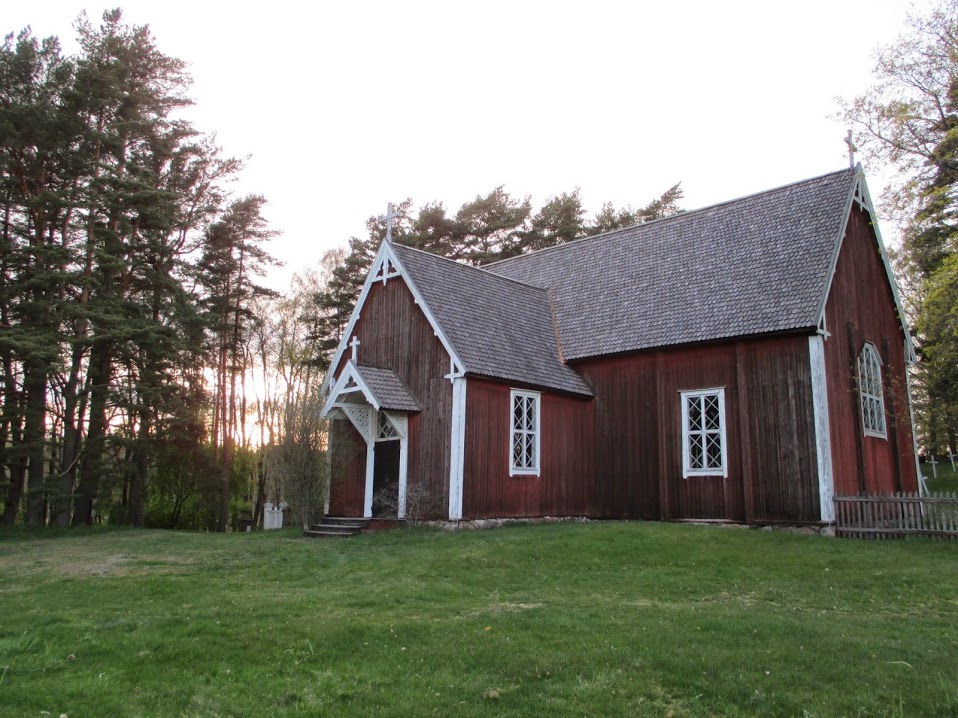
The two English Departments in Turku, Åbo Akademi and Turun Yliopisto, congregated, as has been the custom over the years, for a joint retreat, this time on the island of Seili in the Turku archipelago. Seili, of course, is the island historically (in)famous for its leper colony and later its mental institution. For the last 50 years, the Archipelago Research Institute has had its base on Seili.

IMG_0409

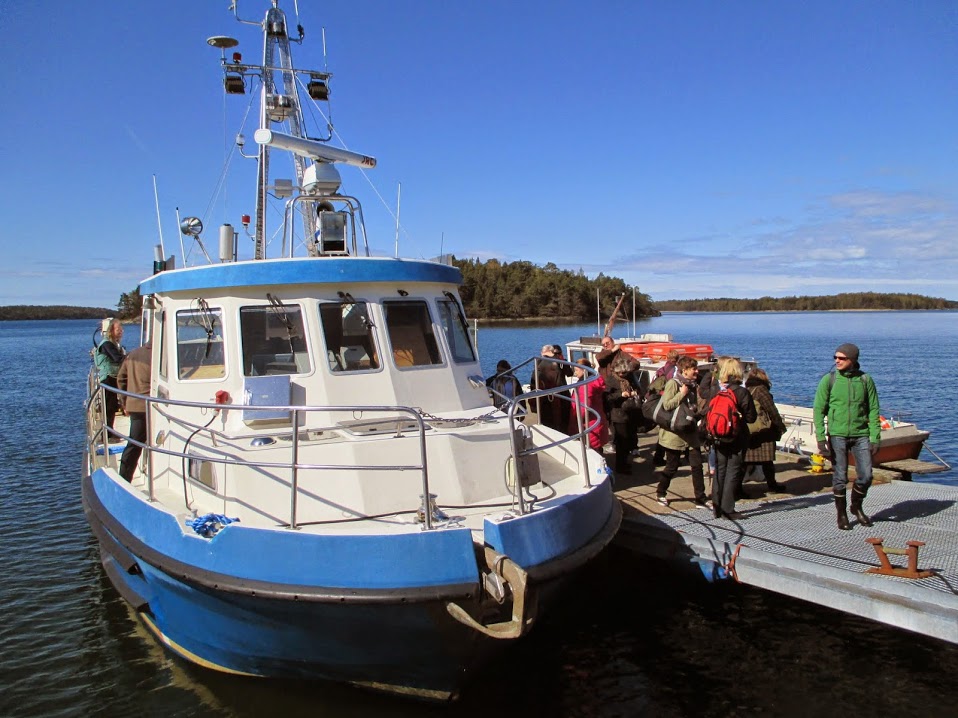
The retreat started from the River Aura, where the boat Aurelia picked us up on the two-hour sea voyage to Seili in sunny but cold spring weather. After settling in to our sleeping quarters and having lunch, it was time for official business. We started with a round of introductions, as despite a history of joint retreats, not everyone knew each other in advance. Informality characterises the retreats, and this one was no exception. Synergy cannot be achieved through official structures, but rather through interaction, spontaneity, and relaxed atmosphere. The retreats are ideal for that, as going away from your usual environment can foster new ideas.

Professor Anthony Johnson and PhD Candidate Aleksi Mäkilähde gave a presentation on their joint project on the Orationes, a collection of school plays from the late 17th century. Their excellent presentation was followed by Signe-Anita Lindgrén & Pekka Lintunen’s presentation on various learner corpora, as they chronicled the challenges involved in corpus-building, ranging from practical problems to comparability, but both also stressed that corpus-building is in fact lots of fun!

IMG_0439

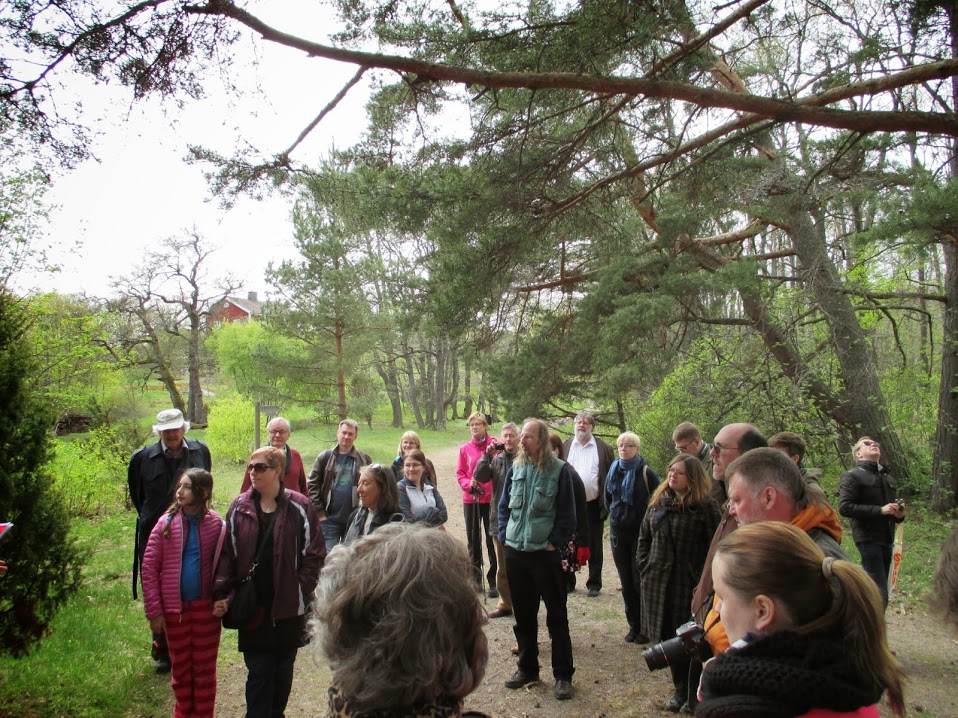
After the two joint presentations we were treated to an English-language guided walking tour of the island, on which we got to visit, for example, the island’s church which had a special section for those residents who had leprosy and thus were not allowed to sit with the other church goers back in the 18th century.

IMG_0419

In the afternoon, the two Fulbright scholars, one past and another present, Chris LaLonde (SUNY Oswego) and Casie Hermansson (Pittsburg State University, Kansas) had a discussion about the Fulbright experience as a member of both English departments in Turku. For both Casie and Chris, the Fulbright period far exceeded their expectations, an evidence of which is the fact that this was Chris’s fourth time back in Finland since his Fulbright year 1997-1998. Taking the time to discuss the Fulbright’s benefits perhaps also served as reinforcement for the two departments’ ongoing commitment to keep the scheme going. After all, the Fulbright scholar is a teacher to whom students stick, as remarked by Professor Emeritus of ÅA’s English Department, Roger Sell.

After the Fulbright discussion, Casie and family were gifted with Åboriginal t-shirts, followed by the ÅA faculty’s moving and laughter-inducing tribute to Professor Risto Hiltunen, who is about to retire. They likened Risto to the current James Bond, Daniel Craig, and reminded him about his skill in cultivating friendships the same way that he accidentally cultivated mold in an old coffee cup back in the eighties.

The day was concluded by sauna and dip in the cold sea, followed by sausage-grilling, refreshments, enjoying the beautiful sea view, and continued conversation about the day’s topics.

IMG_0442

The next morning, before leaving the island, we had a future-oriented workshop led by Risto, who reminded us about the twinship of the two departments, and encouraged the small groups to come up with practical suggestions about joint activities. The fruits this productive session will bear are to be seen, so both departments — including our students – will have lots to look forward to in the future!

Text: Elina Valovirta
Photos: Adam Borch

Bridging North America: Inauguration of the John Morton Center

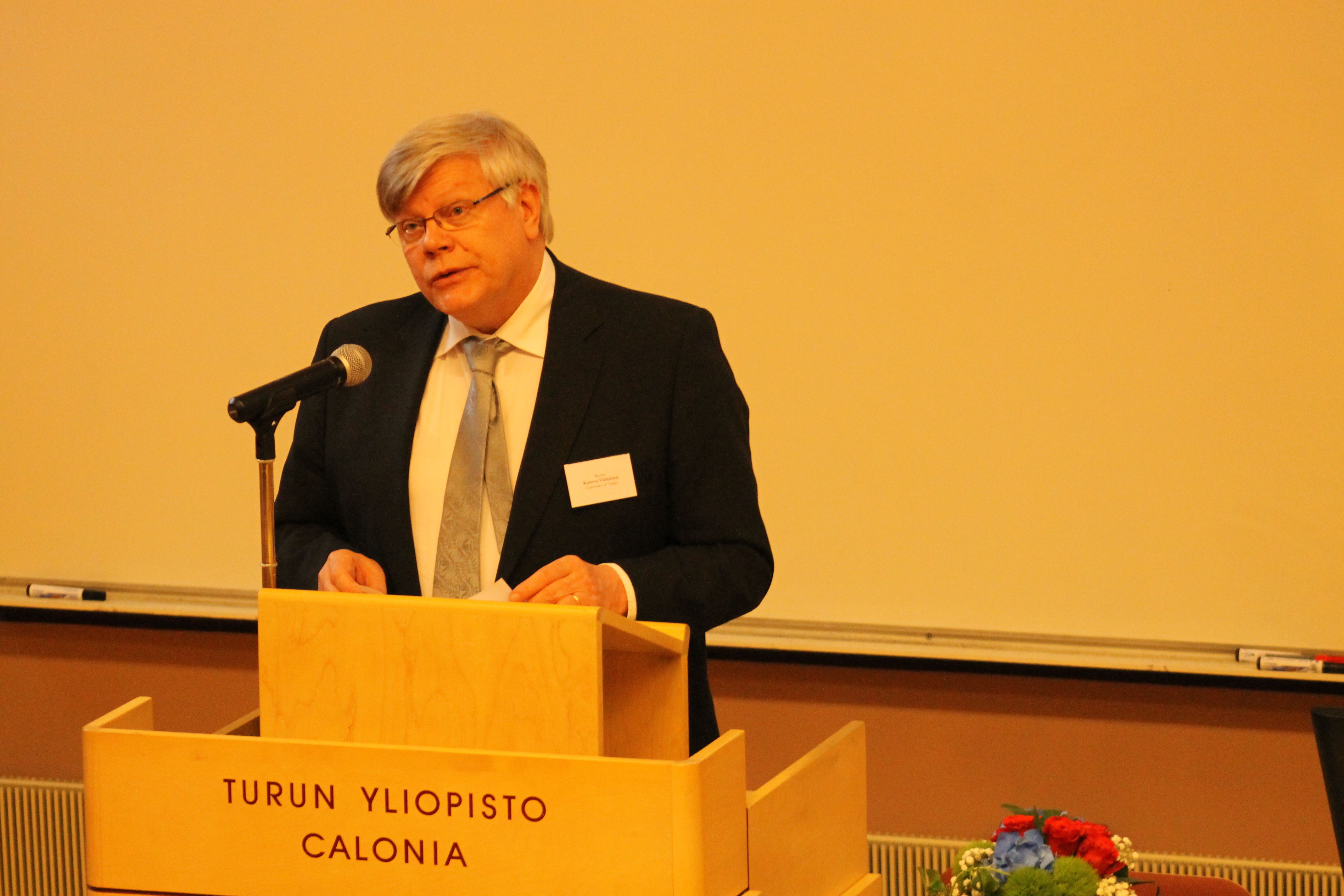
The recently launched John Morton Center for North American Studies held its inaugural event on Tuesday, April 29, in the University of Turku’s Calonia building. The Center’s new director and powerhouse Benita Heiskanen did not rest on her laurels in starting the center’s activities: in the past three months she has already, with the help of Co-ordinator Johanna Leinonen and Intern Malla Lehtonen, launched the center’s series of Current Events seminars, website, blog, expert directory, and announced an international conference to take place in August this year. The inaugural event followed suit the center’s dynamic start, as present at the event were everyone from the university’s past and present Rectors, Keijo Virtanen and Kalervo Väänänen, Turku city representatives, to notable members of the public sector. Video greetings were given by all embassies related to the field of study (United States, Canada, and Mexico). Bruce Oreck’s speech was shot in the US embassy’s John Morton room in honour of the center’s namesake.

heiskanen

In his opening words Rector Kalervo Väänänen stressed the importance of understanding foreign languages, cultures, and societies, and extended his warmest wishes for the center’s success and thanked its founders, in particular, the Rector Emeritus, Keijo Virtanen, for their efforts in establishing the center. Virtanen continued with a brief history of JMC’s coming into being, chronicling the need and desire for a center dedicated to the promotion of North American Studies with intricate links to the public sector. Chairman Jukka Valtasaari of the League of Finnish-American Societies thanked the university for securing initial funding for the center, and further elaborated on the “founding fathers'” effort to start the center.

rector

The North American Connections panel was chaired by the Head of School, Professor Henri Vogt, where, first, Professor Katri Sieberg discussed economic reasons for some of the structural differences and similarities between US and Finnish societies, using her project on analyzing drug crime from an economics perspective as an example. Furthermore, Dr Sarri Vuorisalo-Tiitinen gave her take on cultural connections between Mexico, USA, and Canada, and stressed culture as a process rather than an essence. The panel was concluded by Professor Markku Henriksson, who reminded the audience of the cross- and multidisciplinary nature of North American Studies and called for a generalist’s knowledge and methodological multitalent as well as awareness of current events (like milk price!) as important facets of a scholar’s competence. Finally, he compared JMC to a flower, where its petals represent all the different individuals and institutions brought together by the centre itself. The flower, now budding, needs to be watered and cultivated with care in order to flourish.

guthrie
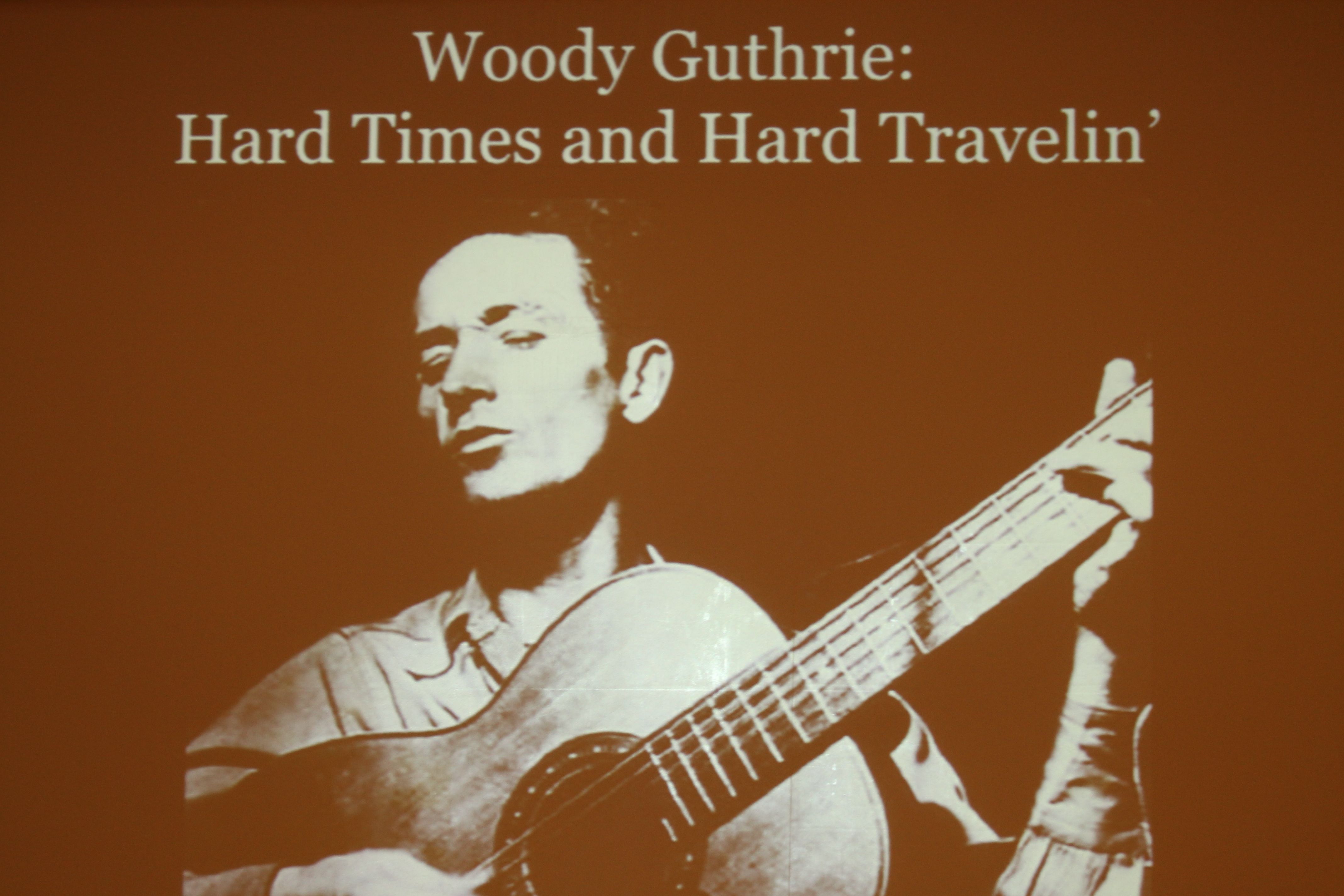
The day’s cultural highlight was the live documentary show on the legendary American singer, Woody Guthrie, presented by Professor Will Kaufman of the University of Central Lancashire, England. The singer and activist, Guthrie, drew some of his song topics from the 1930s depression and dustbowl migration to California, and the tent camps which he visited frequently played a part in making him a social activist. Kaufman’s storytelling captivated, while his renditions of Guthrie’s iconic songs moved as well as entertained. The show ended with Guthrie’s most famous song, This Land Is Your Land, which in Kaufman’s magnificent version highlighted the disillusioned, anti-capitalist message of the now classic American singalong song.

kaufman

The evening was concluded by a drinks reception on campus followed by the inaugural dinner at Samppalinna restaurant, where attendees continued to celebrate the future and continued success of the JMC.

Text: Elina Valovirta
Photos: Joel Kuortti
More Poetry from Our Students

Wizard Battle

Inside enchanted magical valley
Dark, narrow, ominous alley
Dastardly, evil, warlock-meeting
Legendary Thor, coming, greeting

Attacking with spells, fantastic blunder
Powerful, brave, controlling thunder
Using lightning, scary, frightening
Boldly fighting, wrongs righting

Calling strong blizzards
Freezing poor wizards
Impervious to pain
Summoning rain
Until Enemies swimming in water
Old Nordic tales, better than Potter

By Harri Jokinen